Build Better Joint Support
ankle & knee
BUILD BETTER JOINT SUPPORT
Sometimes we focus so heavily on flexibility that we forget our joints also need intelligent strength surrounding them. Matt reminds us that stability is not rigidity. It is the body’s ability to organize support through balanced muscular action. In today’s video, Matt demonstrates how the ankles, knees, and surrounding tissues respond when we intentionally recruit the muscles that protect them. Building better joint support begins by understanding that the knee behaves differently when bent versus straight. When the knee bends, rotation becomes available, meaning the hamstrings, shin muscles, and smaller stabilizers around the joint suddenly become far more important. Instead of forcing shapes, we can learn to create supportive actions that reduce strain and improve awareness. These subtle engagements may look simple from the outside, but they can completely change how secure and connected a posture feels from within.
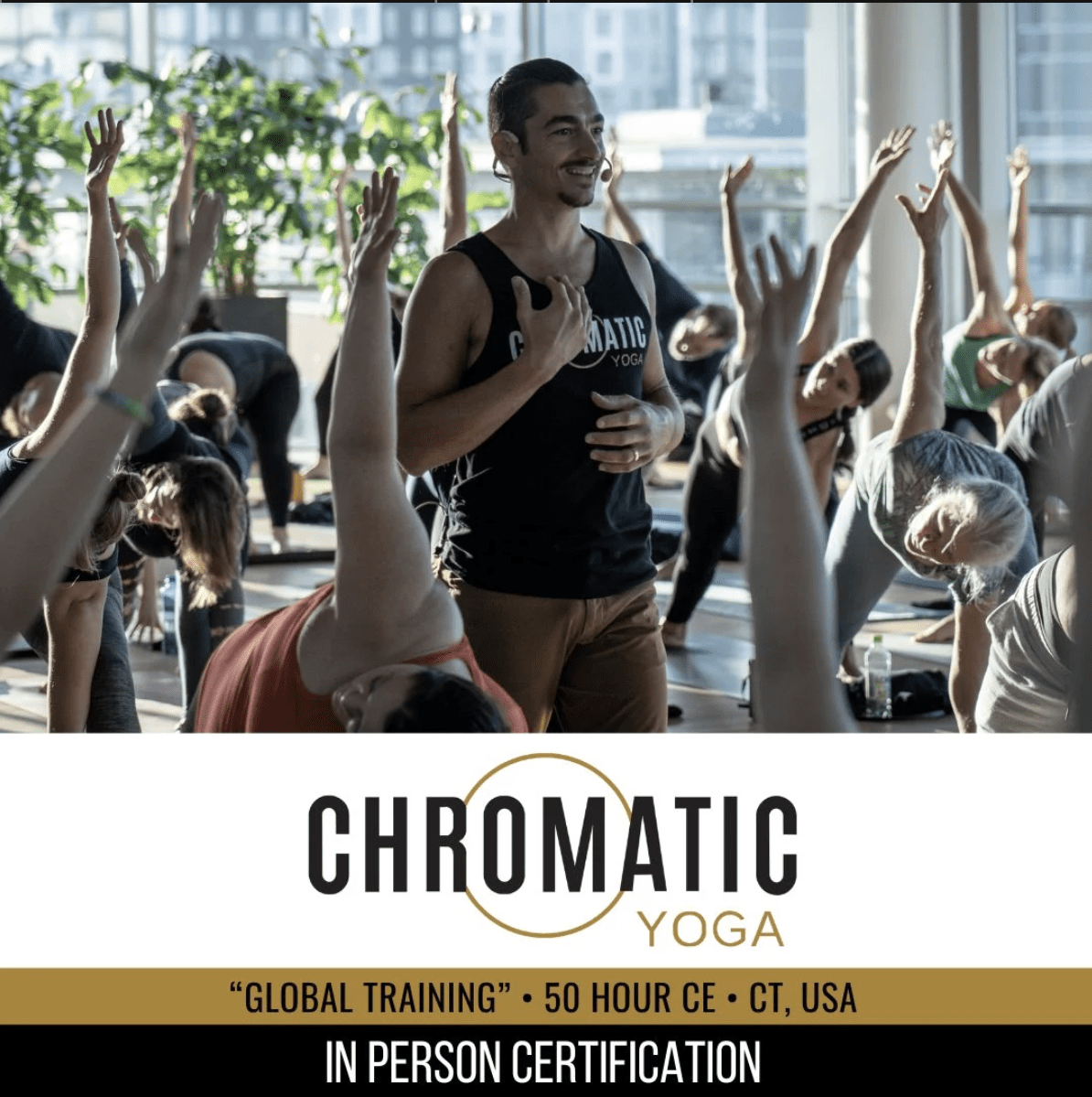
CHROMATIC 50Hr. CERTIFICATION
GLOBAL 50Hr. TRAINING
- 50hr Certification Program
- For Yoga Teachers, Pilates Instructors, and Fitness Trainers
- Anatomical Sequencing
- Masterful Verbal Cues
- Effective Visual Demonstration
- Teach Bio-mechanics Without Breaking the Flow
- Join the Global Community of Chromatic Teachers
- American Yoga Council & Yoga Alliance Continued Ed
SIMPLE SEATED ROTATIONS
Matt begins with seated windshield wiper rotations, hands supporting behind the knees while we explore internal and external rotation through the bent knee joint. He reminds us that the knee itself does not rotate when straight, so these movements help us understand how the hamstrings contribute to rotational support around the joint. As we slowly rotate side to side, we can feel the tissues below the knee activating, including the ligaments attaching near the hamstrings. Matt also highlights the popliteus muscle, a deep stabilizer that assists internal rotation when the knee is bent. These smaller actions become especially relevant later in pigeon pose. Depending on the individual, isometric engagement into either internal or external rotation may help reduce knee strain. Building better joint support starts with understanding these smaller mechanics before applying them to larger postures.
WATCH THE VIDEO
BUILD BETTER JOINT SUPPORT: 3 YOGA POSTURES FOR STRONGER ANKLES & KNEES
NEW ACTIONS IN WARRIOR II
In Warrior II, Matt introduces an unconventional but highly educational approach to the ankles. Instead of only pressing the outer edge of the back foot down, we first explore slightly lifting it to activate the muscles along the outer shin. From there, we deliberately invert the ankle, shortening the sole of the foot by drawing the big toe mound toward the heel and lifting the inner arch. Then comes the layered action: maintaining the inversion while lightly lifting the outer edge enough to activate the fibularis muscles along the shin. Matt describes this as creating a “bootstrapping” effect around the ankle joint. The tibialis posterior supports from the inside while the outer shin muscles reinforce from the outside. Repeating these actions through both feet creates a surprisingly stable foundation. Building better joint support often comes from these subtle opposing actions working together rather than collapsing into one extreme.
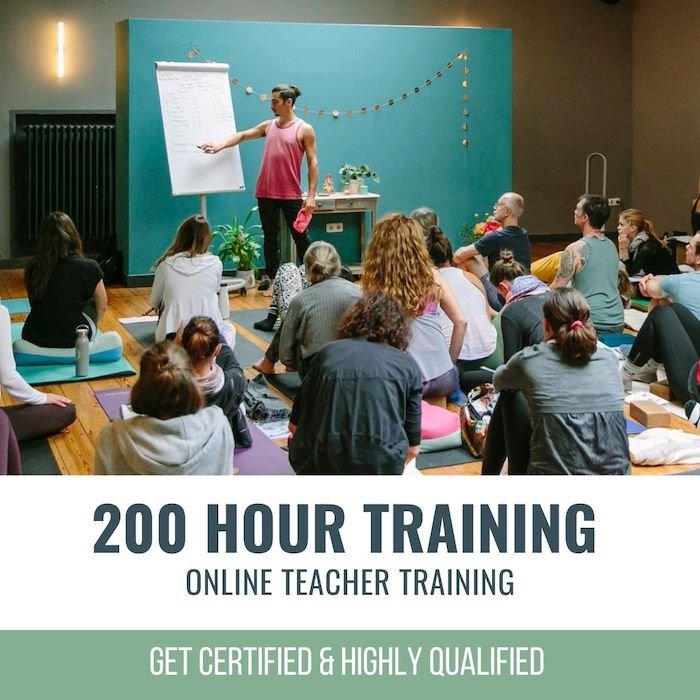
200 HOUR ONLINE TEACHER TRAINING
GET CERTIFIED & DEEPEN YOUR YOGA PRACTICE
- Deepen your yoga practice
- Build confidence speaking in front of groups in person and online
- Learn foundational class structures and templates
- Learn techniques for a wide range of yoga postures
- Get certified and highly qualified to teach yoga
- Yoga Alliance Globally Recognized Certification Program
PIGEON POSE ON A BLOCK
Pigeon pose on a block gives us space to organize the legs with more intelligence. With the front shin elevated, the foot can dangle slightly, making dorsiflexion and rotational engagement easier to access. Matt cues us to actively pull through the foot, especially the pinky toe edge, while maintaining lift through the ankle and shin. At the same time, the back leg plays its own role by internally rotating the thigh and pulling the body backward like a gentle tug of war. The result is an active relationship between both legs rather than passively sinking into the hips. Matt reminds us that because the knee rotates when bent, we can experiment with isometric internal or external rotation to potentially reduce knee discomfort depending on the individual. If these actions are organized well, we may later feel fatigue through the fibularis muscles along the outer shin, evidence that the stabilizers truly participated.
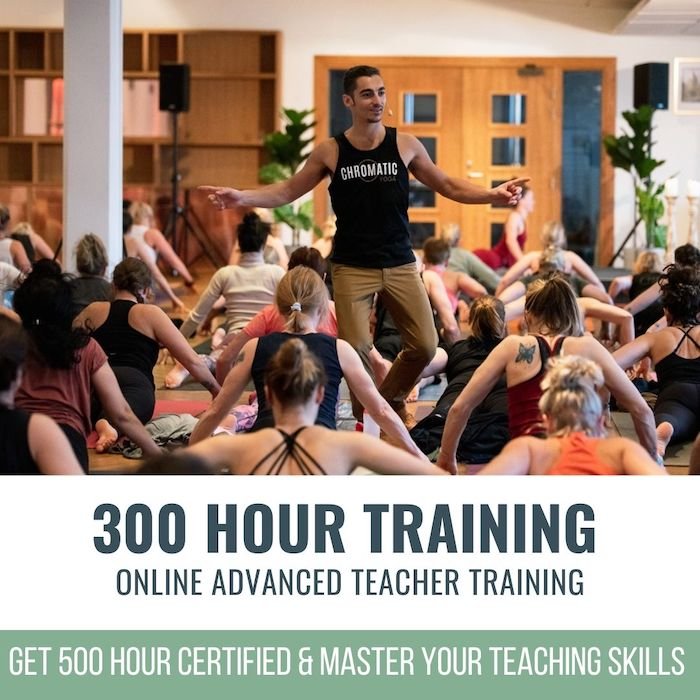
300 HOUR ONLINE TEACHER TRAINING
GET 500 HOUR CERTIFIED AS A MASTER TEACHER
Master your skill set as a teacher through refined techniques, anatomy, biomechanics, sequencing, philosophy, meditation techniques, theming, yoga business, and much more!
- Get 500 hour certified
- Learn anatomy, biomechanics, asana techniques
- Expand your teaching skills
- Masterful sequencing and verbal delivery
- Learn meditation and breathwork techniques
- Transformative tools: theming, dharma talks, satsang
STRENGTH THAT SUPPORTS THE SHAPE
Building better joint support ultimately asks us to rethink what stability actually means inside a yoga practice. Matt reminds us that support is not created by gripping harder or forcing range of motion. It comes from learning how opposing muscle groups cooperate to protect the joints while still allowing movement. Whether we are rotating the knees in seated drills, organizing the arches in Warrior II, or activating the shins in pigeon pose, each posture becomes an opportunity to strengthen the body from the inside out. Over time, these smaller actions build resilience not only in the ankles and knees, but throughout the entire kinetic chain. The body begins to trust the shapes because the muscles surrounding the joints are participating intelligently. Stability becomes something we cultivate actively rather than something we hope flexibility alone will provide.
Matt’s upcoming 50Hr. Chromatic Certification delves deeper into our understanding of how to better cultivate this type of strength in our practice. Register today to reserve your spot.
The 200 Hr. Teacher Training: Click Here to See the Next Start Date
The 300 Hr. Advanced Teacher Training: Click Here to See the Next Start Date
Article by Trish Curling
Video Extracted From: Yoga For Strength Immersion
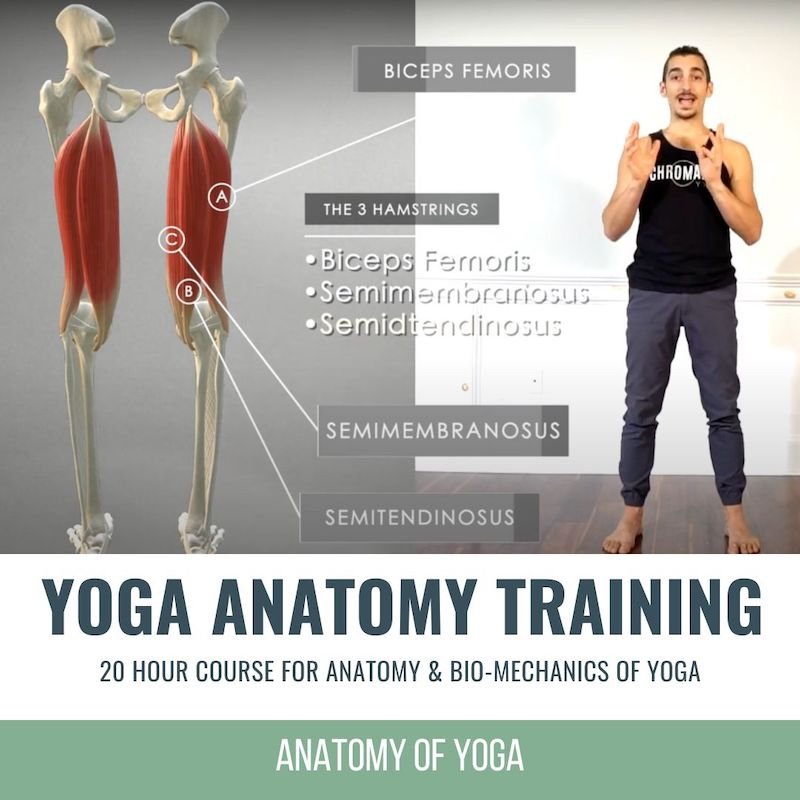
ONLINE ANATOMY COURSE
- Accessible, exciting, and easy to learn
- Anatomy and biomechanics for yoga
- Appropriate for both teachers and students
- Learn joint alignment vs pose alignment
- Demystify yoga poses and transitions
- Release aches and pains
- Learn how to avoid common injuries
- Caters to all levels with modifications and props
- 20 hours Continued Education Credits with Yoga Alliance
- 20 hours toward Chromatic Yoga Certification and 300 Hour
- Lifetime access
Continue Learning
Hamstring Strength Options
Hamstring Strength Optionship extensorsHAMSTRING STRENGTH OPTIONS When we think about hamstrings in yoga, most of us immediately think about stretching. Matt reminds us that this powerful muscle group is rarely celebrated for what it is also designed to do: create...
Weightless Inversions
Weightless InversionssirsasanaWEIGHTLESS INVERSIONS Weightless inversions are not about removing effort. They are about redistributing it with awareness. Matt reminds us that when we refine how we place weight through the hands, shoulders, and core, the body begins to...
Opening The Heart Chakra
Opening The Heart ChakrabackbendOPENING THE HEART CHAKRA Opening the heart chakra is not simply about reaching deeper into a backbend. Matt reminds us that this space is rooted in love, balance, and connection, both with ourselves and with others. It reflects how we...
5 Visual Demonstration Techniques for Yoga Teachers
5 Visual Demonstration Techniques for Yoga TeachersYoga TeachersVisual Demonstration This is often confused with “teaching from the mat.” Teaching at the front of the room can be useful at the right time and place, but that is not what we are referring to here. In...
Awakening Solar Plexus Strength
Awakening Solar Plexus Strengththird chakraAWAKENING SOLAR PLEXUS STRENGTH Awakening solar plexus strength invites us into the centre of transformation. Matt reminds us that this third chakra, Manipura, is our fire, our willpower, and our ability to take action. It...
Hip Flexor Stretch Mechanics
Hip Flexor Stretch MechanicsALIGNMENTHIP FLEXOR STRETCH MECHANICS Hip flexor stretch mechanics begins with understanding that stability and length often come from opposing actions. In the first demonstration, Matt cues the back inner thigh to lift upward, which tips...
THE FREE TECHNIQUE PACK
When You Subscribe, You Will Get Instant Access to
- the Technique Pack: 15 yoga pose breakdowns
- exclusive online course discounts
- exclusive blogs and videos
0 Comments