
Weightless InversionssirsasanaWEIGHTLESS INVERSIONS Weightless inversions are not about removing effort. They are about redistributing it with awareness. Matt reminds us that when we refine how we place weight through the hands, shoulders, and core, the body begins to...
Strong Hands For Handstand
Strong Hands For Handstand
STABILITY
STRONG HANDS FOR HANDSTAND
When it comes to building strength for handstand, it starts at the base: our hands. Developing strong hands means targeting the wrist flexors, the very muscles that help create a trustworthy foundation. Wrist circles may seem insignificant, but they offer big returns—they bring fluid into the joints, activate the flexors, extensors, adductors, and abductors, and promote fascial gliding between muscle layers. When we spread our fingers wide during these circles, we also engage the finger abductors. It’s natural to feel fatigue, especially in the beginning stages, but with regular practice, we strengthen these muscles and increase our access to more advanced handstand work. Once the wrists are primed, we layer in drills that gradually add weight and resistance.
3 DAY HANDSTAND TRAINING
REGISTRATION NOW OPEN
- Wrist Strength For Balance
- "Bone Stacking" Techniques For Lighter Handstands
- Shoulder Mobility, Stability, and Bio-Mechanics
- Integrated Core For Alignment For Entrances
- Effective Wall Drills and What To Avoid
- Safe Spotting and How to Support Others
- How to Balance and How to Fall Safely
- Acrobatic Principles For Consistent Balance
- Leg Variations
VERTICAL BLOCK DRILL
This drill emphasizes alignment and muscular engagement. We place a block vertically against the forearm to reinforce proper stacking: shoulders slightly ahead of wrists, forearms vertical. From there, we activate the wrist flexors by gripping the floor—thumb and pinky draw toward each other while the other fingers press down and pull inward. In this grip, the middle knuckles lift, while the base of the fingers stays grounded. We then enter a plank—Level 1 with knees down, Level 2 with knees lifted—pushing the shoulder blades apart and rounding the upper back. This alignment creates the vertical foundation necessary for handstand balance and is where we start to train the body’s memory for vertical stacking.
WATCH THE VIDEO
STRONG HANDS FOR HANDSTAND: IMPLEMENT 3 DRILLS FOR SOLID WRISTS
GET MORE UPRIGHT
Practicing on a solid floor—not a yoga mat—enhances feedback through the hands, making it easier to sense engagement in the wrist flexors. As we transition toward a more upright shape, we stand and replicate the earlier hand positioning: fingers gripping, elbows straight, shoulders lifted to the ears. From there, we rise onto the toes, round the upper back, and tuck the chin slightly to look toward the belly button. We also shift weight into the fingers without compromising the roundness or the push in the shoulders. These small yet critical details help simulate the feeling of being in handstand without leaving the ground, making them a key step in nervous system adaptation and strength development.
200 HOUR ONLINE TEACHER TRAINING
GET CERTIFIED & DEEPEN YOUR YOGA PRACTICE
- Deepen your yoga practice
- Build confidence speaking in front of groups in person and online
- Learn foundational class structures and templates
- Learn techniques for a wide range of yoga postures
- Get certified and highly qualified to teach yoga
- Yoga Alliance Globally Recognized Certification Program
FEEL SAFER AGAINST A WALL
As we shift weight from our feet into our hands, the experience can feel vulnerable and unstable. That’s where the wall becomes a trusted ally. Practicing against the wall reduces the fear of falling and allows us to focus more deeply on wrist strength, hand grip, and alignment. Matt also highlights that heel lifts involve significant ankle articulation and strength. With our backs to the wall and feet placed slightly forward, we enhance this articulation while reinforcing the upright posture. This transition teaches our hip flexors to activate as we lift the heels, preparing us for the moment we begin to invert. Repeating this back-and-forth movement builds familiarity and ease in the wrists, helping us feel secure as we move toward handstand.
300 HOUR ONLINE TEACHER TRAINING
GET 500 HOUR CERTIFIED AS A MASTER TEACHER
Master your skill set as a teacher through refined techniques, anatomy, biomechanics, sequencing, philosophy, meditation techniques, theming, yoga business, and much more!
- Get 500 hour certified
- Learn anatomy, biomechanics, asana techniques
- Expand your teaching skills
- Masterful sequencing and verbal delivery
- Learn meditation and breathwork techniques
- Transformative tools: theming, dharma talks, satsang
OPTIMIZE YOUR ACTIONS
No two handstand journeys are the same. What creates progress is our willingness to experiment with technique while staying grounded in smart biomechanics. Listening to our bodies, honouring our current needs, and making thoughtful decisions from moment to moment are how we build confidence, strength, and sustainability in the practice. The path to a solid handstand is not linear, but with strong hands and intentional action, it becomes attainable. Let’s keep refining, adjusting, and aligning. We’re not just building strength in our hands, we’re building resilience in our practice.
There’s still time to register for Matt’s in person Handstand 3 Day Training
The 200 Hr. Teacher Training: Click Here to See the Next Start Date
The 300 Hr. Advanced Teacher Training: Click Here to See the Next Start Date
Article by Trish Curling
Video Extracted From: Inversion Immersion
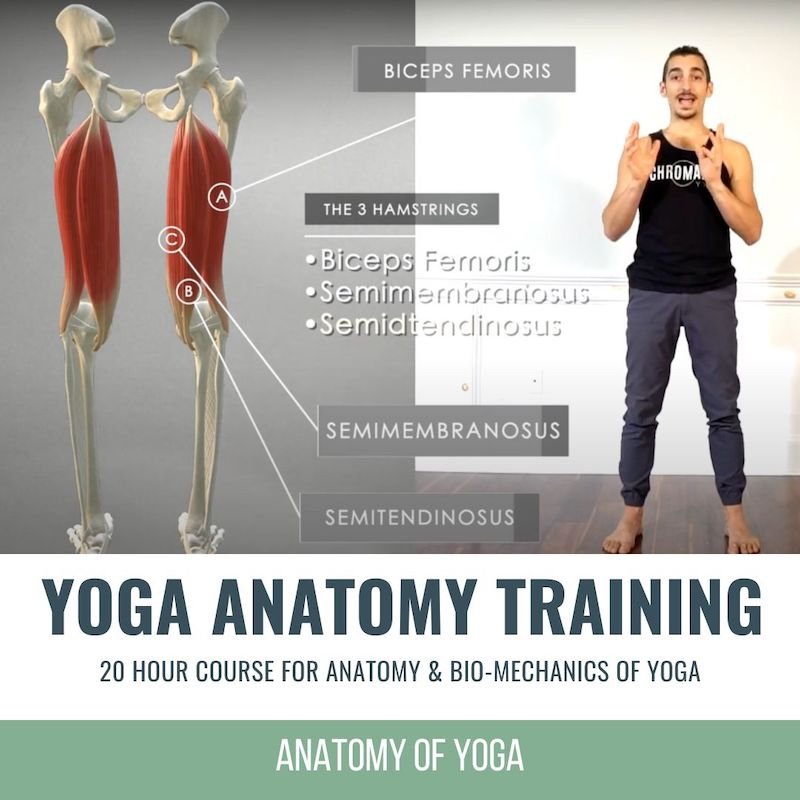
ONLINE ANATOMY COURSE
- Accessible, exciting, and easy to learn
- Anatomy and biomechanics for yoga
- Appropriate for both teachers and students
- Learn joint alignment vs pose alignment
- Demystify yoga poses and transitions
- Release aches and pains
- Learn how to avoid common injuries
- Caters to all levels with modifications and props
- 20 hours Continued Education Credits with Yoga Alliance
- 20 hours toward Chromatic Yoga Certification and 300 Hour
- Lifetime access
Continue Learning
Weightless Inversions
read more
Opening The Heart Chakra
Opening The Heart ChakrabackbendOPENING THE HEART CHAKRA Opening the heart chakra is not simply about reaching deeper into a backbend. Matt reminds us that this space is rooted in love, balance, and connection, both with ourselves and with others. It reflects how we...
5 Visual Demonstration Techniques for Yoga Teachers
5 Visual Demonstration Techniques for Yoga TeachersYoga TeachersVisual Demonstration This is often confused with “teaching from the mat.” Teaching at the front of the room can be useful at the right time and place, but that is not what we are referring to here. In...
Awakening Solar Plexus Strength
Awakening Solar Plexus Strengththird chakraAWAKENING SOLAR PLEXUS STRENGTH Awakening solar plexus strength invites us into the centre of transformation. Matt reminds us that this third chakra, Manipura, is our fire, our willpower, and our ability to take action. It...
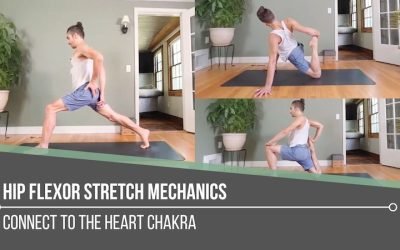
Hip Flexor Stretch Mechanics
Hip Flexor Stretch MechanicsALIGNMENTHIP FLEXOR STRETCH MECHANICS Hip flexor stretch mechanics begins with understanding that stability and length often come from opposing actions. In the first demonstration, Matt cues the back inner thigh to lift upward, which tips...
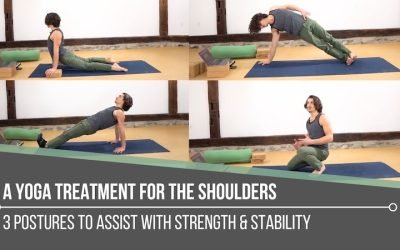
A Yoga Treatment For The Shoulders
A Yoga Treatment For The ShouldersSTABILITYA YOGA TREATMENT FOR THE SHOULDERS Shoulders tend to speak up when stability is missing. Matt reminds us that building strength isn’t about aesthetics, it’s about support, resilience, and keeping the body working as one...
THE FREE TECHNIQUE PACK
When You Subscribe, You Will Get Instant Access to
- the Technique Pack: 15 yoga pose breakdowns
- exclusive online course discounts
- exclusive blogs and videos