Neck Alignment
Techniques to Find More Ease in Headstand
sirsasana
NECK ALIGNMENT FOR INVERSIONS
Yoga postures typically start “from the feet up.” The same is true when it comes to inversions—it’s just flipped upside down. The positioning of the head and neck sets the foundation, so finding balance can be quite challenging.
Inversions can be scary stuff, and there’s plenty of legitimate fear to go around. With inversions, the neck becomes “the feet” of the posture, and neck alignment will directly inform your experience. Proper alignment, along with the technique of “pressing your head back,” will strengthen your neck muscles and provide you with the stability required for this posture. In today’s video, Matt breaks down how this technique will provide you with confidence and help you overcome your fears in Headstand.
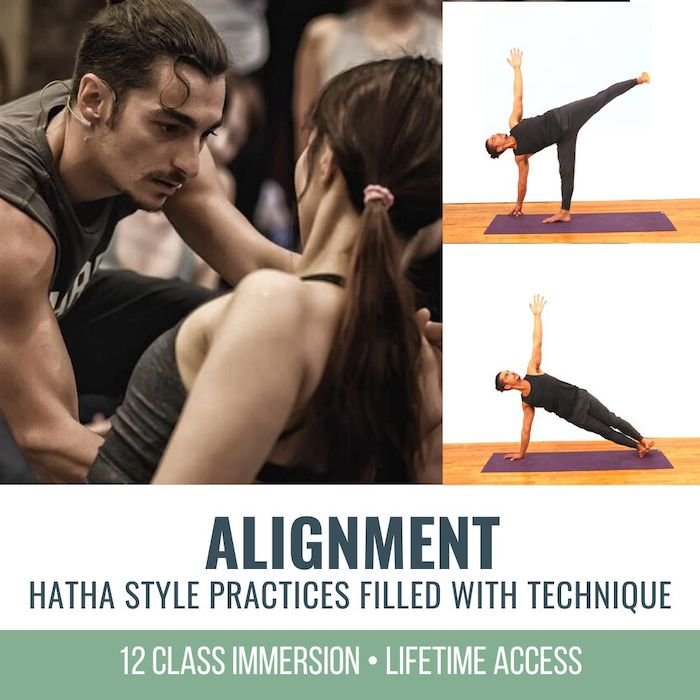
ALIGNMENT
JUNE 2023 Immersion
- 12 Hatha-style practices
- Transformative and informative experience
- Alignment and techniques for the most common asana postures
- Step-by-step, easy-to-follow instruction
- Improve strength, balance, flexibility, and proprioception
- Accessible and empowering modifications
- Appropriate variations a modifications for all levels
[cl_product_price id="209786"]
PRESS YOUR HEAD BACK
The fear of going upside down and placing weight on your neck can be enough to put you off of the posture all together, but the technique of pressing your head back can restore your faith in your ability to execute Headstand with assurance. One of the best ways to practice this technique is upright. Before you consider the strength, consider the neck alignment. Pulling your skull up and back will bring your head more in line with your spinal column and pelvis. Matt explains that this will place your cervical spine into a more concave shape, rather than the common convex shape that occurs due to a frequently forward carriage of the head. At the beginning of the video, you’ll see that the next step is to press your head into your thumbs. These steps are important to explore before you place any weight on your head in inversions.
WATCH THE VIDEO
NECK ALIGNMENT: TECHNIQUES TO FIND MORE EASE IN HEADSTAND
HEADSTAND PREPARATION
Once you feel more comfortable with the neck alignment cues, moving on to the next step in Headstand preparation means exploring those cues in Dolphin Pose. What also needs to be discussed here are the options you have in terms of the amount of weight you opt to place on your head.
At the initial stages of the setup, creating protraction and elevation in the shoulders will help you find more length in the back of your neck and also assist in keeping your head off of the ground. This will make the shift towards taking the back of your head away from your elbows and closer to your hands much easier. The key step, however, is the plantar flexion of your feet in order to make this shift. Next, pressing your head into your hands (more specifically your thumbs) will assist in strengthening your neck muscles.
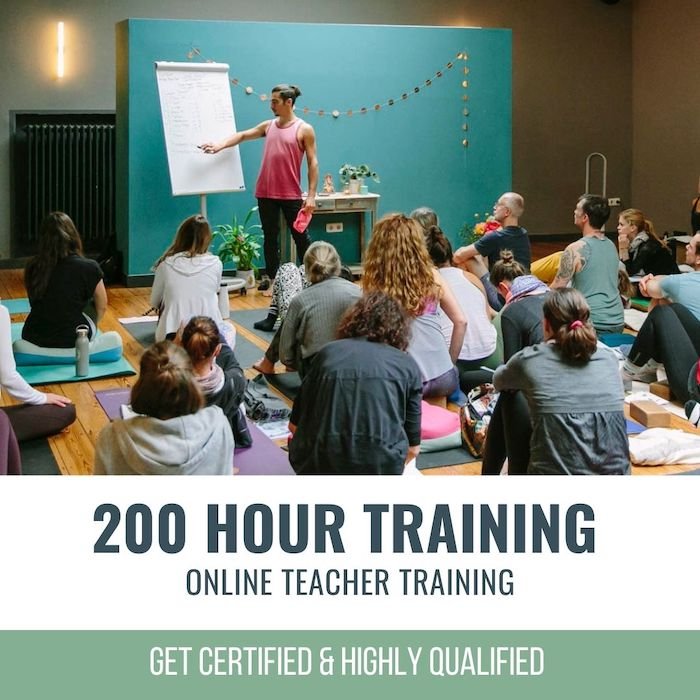
200 HOUR ONLINE TEACHER TRAINING
GET CERTIFIED & DEEPEN YOUR YOGA PRACTICE
- Deepen your yoga practice
- Build confidence speaking in front of groups in person and online
- Learn foundational class structures and templates
- Learn techniques for a wide range of yoga postures
- Get certified and highly qualified to teach yoga
- Yoga Alliance Globally Recognized Certification Program
HEADSTAND WITH BLOCKS
You now know that pointing your toes will assist in stacking the pelvis over the shoulders, but hamstring flexibility is also required. Gaining the appropriate amount of hamstring flexibility will not happen overnight. This is where elevating your feet on blocks is extremely helpful. Using blocks creates a shorter distance for you to create the stacking you need in order to lift your legs. If you’re not ready to take flight in this way, then practice the stacking by moving back and forth between plantar flexion and dorsiflexion at the ankle joint. This will help you gain a deeper understanding of where your body needs to be in space.
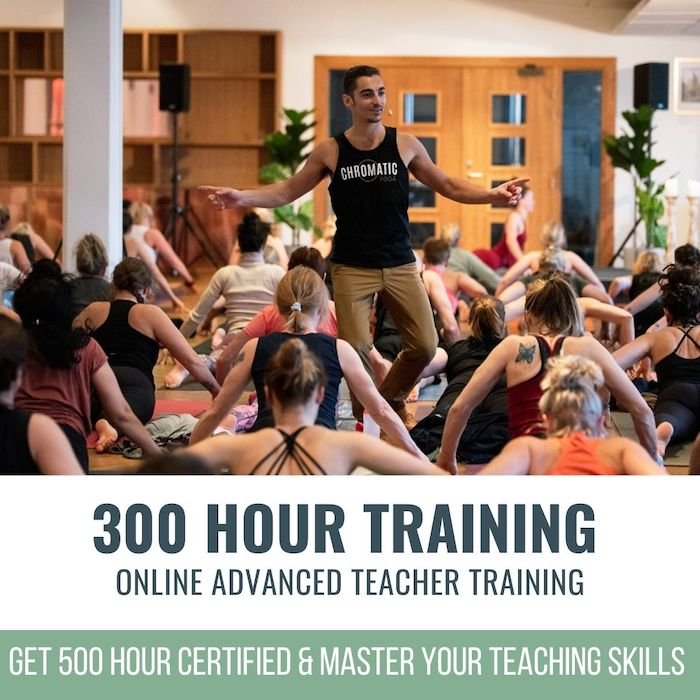
300 HOUR ONLINE TEACHER TRAINING
GET 500 HOUR CERTIFIED AS A MASTER TEACHER
Master your skill set as a teacher through refined techniques, anatomy, biomechanics, sequencing, philosophy, meditation techniques, theming, yoga business, and much more!
- Get 500 hour certified
- Learn anatomy, biomechanics, asana techniques
- Expand your teaching skills
- Masterful sequencing and verbal delivery
- Learn meditation and breathwork techniques
- Transformative tools: theming, dharma talks, satsang
UP AGAINST THE WALL
Not knowing where your body is in space is a reason you might choose to practice up against a wall, and this is a great decision, especially when you want to send your legs up in the air.
You may, however, feel like you are up against a figurative wall when trying to "crack the code" for Headstands. It is possible to start depending on the wall for security, which is why implementing the technique of pressing your head into your hands can completely transform your experience. Once you do that, you can feel everything else fall into place: The action encourages the bottom ribs to knit back, which can then send the pelvis over the shoulders. The beauty of using the wall is that you have time to more deeply understand the cues while it acts as your personal spotter.
Register for Matt’s Alignment Immersion to learn all of the cues that help you to safely practice Headstand.
The 200 Hr. Teacher Training: Click Here to See the Next Start Date
The 300 Hr. Advanced Teacher Training: Click Here to See the Next Start Date
Article by Trish Curling
Video Extracted From: Alignment Immersion

The Teachers' Toolkit
- Advance your practice
- Learn masterful teaching techniques
- Acquire business-building skills
- Attract the right students
- Learn about social media, marketing, and business structure
- Catapult your teaching and career
Continue Learning

Invert With Ease
Invert With EaseBALANCEINVERT WITH EASE Feeling good upside down begins before our feet ever leave the floor. It comes from knowing that we have prepared the body well enough to make choices once gravity changes the conversation. In today’s video, Matt helps us invert...

Overcome Handstand Hurdles
Overcome Handstand HurdlesSTRENGTHOVERCOME HANDSTAND HURDLES Getting upside down is often harder than staying there. Matt teaches us that once we confidently arrive in Handstand, the effort can actually become quieter. The real work lies in the entry, where strength,...

The Core Of Your Arm Balances
The Core Of Your Arm Balancesspinal flexionTHE CORE OF YOUR ARM BALANCES Arm balances may appear to be about what is happening in the hands and shoulders, but some of their most important mechanics are taking shape around the spine. When we explore the core of your...
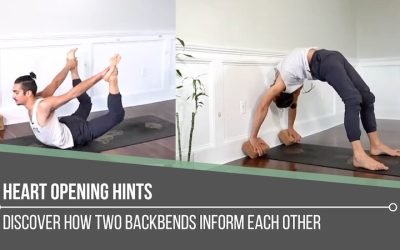
Heart Opening Hints
Heart Opening HintsbackbendHEART OPENING HINTS What if one backbend could quietly teach us how to approach another? This is where Chromatic Yoga becomes particularly interesting. Instead of treating each posture as its own isolated challenge, we can recognize...
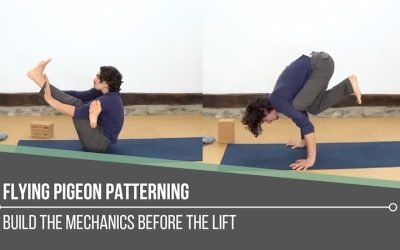
Flying Pigeon Patterning
Flying Pigeon Patterningarm balanceFLYING PIGEON PATTERNING Flying Pigeon isn't created by strength alone. In today's video, Matt walks us through the sequence of actions that organize the body before the balance even begins. From the initial relationship between the...

Hip Health Masterclass
Hip Health MasterclassmobilityHIP HEALTH MASTERCLASS Strong hips don't simply happen because we spend more time stretching them. They develop through a conversation between mobility and muscular control, where each action teaches the body how to move with greater...
THE FREE TECHNIQUE PACK
When You Subscribe, You Will Get Instant Access to
- the Technique Pack: 15 yoga pose breakdowns
- exclusive online course discounts
- exclusive blogs and videos
0 Comments