Pain In The Neck

Pain In The Neck

STABILITY

PAIN IN THE NECK

A pain in the neck can be more than just an annoyance.  It can ripple into the shoulders, spine, and even the jaw, creating discomfort that affects the whole body. Often, this pain stems from subtle misalignments: a chin that juts forward, a rounded upper back, or a jaw that shifts out of place. These patterns may seem minor, but over time they compound into tension and imbalance. The solution lies in finding what Matt calls the “plumb line,” a neutral head and neck alignment that sets the foundation for healthy posture. By practicing this alignment consistently in key postures, we can support greater stability, reduce strain, and perhaps even prevent future pain in the neck. Consistency is what transforms fleeting relief into lasting results, paving the way for better movement, improved health, and a more easeful yoga practice.
chromatic yoga 15 hour immersion

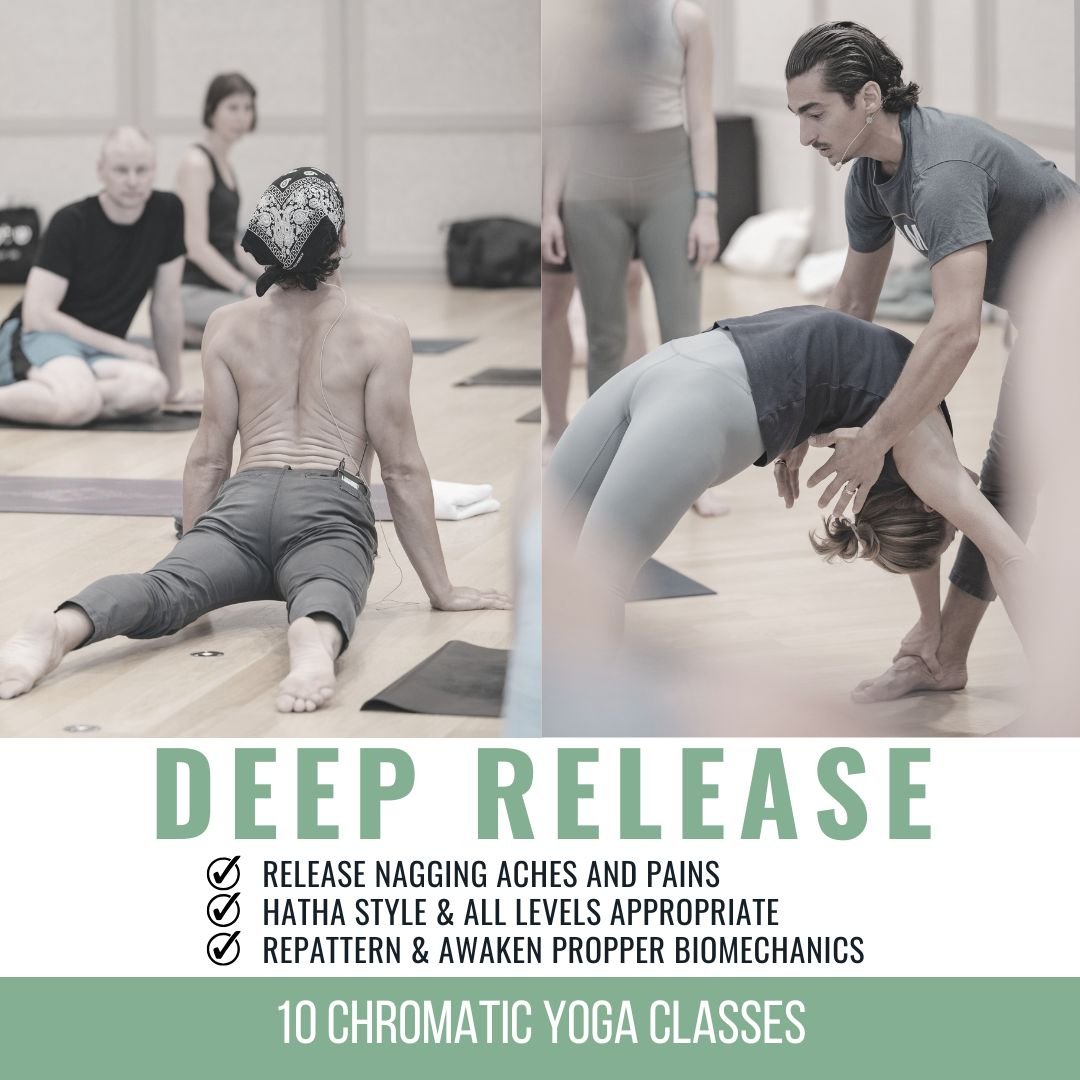
DEEP RELEASE

UNWIND NAGGING ACHES & PAINS

  • 10 Chromatic Yoga practices with founder Matt Giordano
  • Deep Unwinding of Unwanted Physical Patterns
  • Release Most Common Aches and Pains 
  • Meticulously Crafted Experiences to Enhance Your Postural Practice
  • All Levels Appropriate Full length 75 minute Classes
  • Non-dogmatic, Anatomy informed Alignment
  • The Perfect Blend of Knowledge and Practice
  • A Heavy Emphasis on Technique for the Poses Everyone Expects You to Know but Non One Teaches
  • 12 Continuing Education hours with Yoga Alliance and American Yoga Council
  • 12 Accredited Practice Hours with the Chromatic School of Yoga
  • Step-by-Step instruction for increased accessibility
  • Sweat, Breath, Strengthen, Stretch and Feel Amazing!

SIDE ANGLE NECK ALIGNMENT

In Side Angle, Matt guides us to rotate the chest without collapsing the shoulder forward. He reminds us that when there is pain in the neck, one of the first places to check is the relationship between ear and shoulder. Rather than letting them collapse together, we lengthen the neck. Options include pulling the chin slightly back or placing a hand behind the head, pressing the head back into the palm to encourage stability. Both shoulders are drawn back so the torso rotates inside the frame of the shoulders rather than dragging the shoulders with it. This mindful rotation helps us cultivate spaciousness and can reduce unnecessary tension in the neck.

WATCH THE VIDEO

PAIN IN THE NECK: ALIGN & PROTECT WITH 5 POSTURES

NECK IN A TWIST

Transitioning into a revolved lunge, Matt places the right elbow to the left thigh and cues us to bring the chin and throat back, keeping the head aligned on its axis. He points out that misalignment here can contribute to pain in the neck and encourages gentle self-adjustments: hand behind the skull, left ear low, right ear long. By pressing through the left heel and pulling the feet toward one another, we create stability through the legs, which frees the neck to rotate with more ease. The focus remains on spaciousness between ear and shoulder while lengthening through the cervical spine. These layers of engagement make the twist strong yet supportive.
200 Hour Online Teacher Training Certification

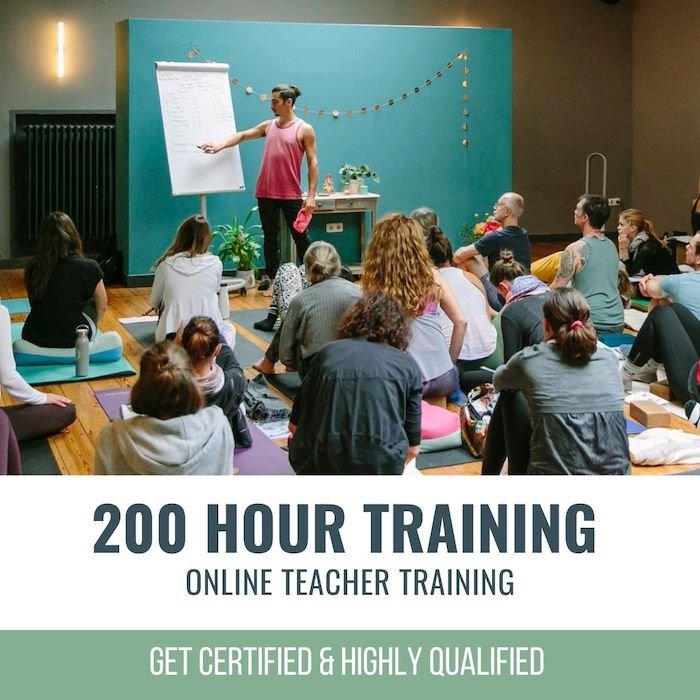
200 HOUR ONLINE TEACHER TRAINING

GET CERTIFIED & DEEPEN YOUR YOGA PRACTICE

  • Deepen your yoga practice
  • Build confidence speaking in front of groups in person and online
  • Learn foundational class structures and templates
  • Learn techniques for a wide range of yoga postures
  • Get certified and highly qualified to teach yoga
  • Yoga Alliance Globally Recognized Certification Program

WALL PRESS

With “stop sign” hands, Matt demonstrates another variation to refine awareness. Placing the right hand behind the head, we press the head back to activate opposing muscles while the chest rotates open. He reminds us to keep the back of the neck and occiput long, left ear drawing toward the ground, right ear toward the sky. In doing so, we deepen the twist while reinforcing strength and stability. This careful layering not only enhances mobility but also helps us understand how to work skillfully in positions that often trigger pain in the neck. The focus becomes less about achieving the deepest twist and more about maintaining integrity in the cervical spine.
300 hour teacher training online

300 HOUR ONLINE TEACHER TRAINING

GET 500 HOUR CERTIFIED AS A MASTER TEACHER

Master your skill set as a teacher through refined techniques, anatomy, biomechanics, sequencing, philosophy, meditation techniques, theming, yoga business, and much more!

  • Get 500 hour certified
  • Learn anatomy, biomechanics, asana techniques
  • Expand your teaching skills
  • Masterful sequencing and verbal delivery
  • Learn meditation and breathwork techniques
  • Transformative tools: theming, dharma talks, satsang

THE DEPTH OF NECK ROTATION

In deeper twists like Revolved Chair and balancing shapes such as Ardha Chandrasana, Matt emphasizes that success comes from stability and alignment, not from forcing range of motion. In Revolved Chair, he once again offers the option of hand behind the head while pressing back for support, maintaining length through the back of the neck while rotating. In Ardha Chandrasana, he instructs us to align the lifted leg with the torso and shift weight into the big toe of the standing foot, preventing collapse into the pinky edge. From here, placing the hand behind the head can again highlight the need for integrity in the neck. The left ear draws down, right ear lifts up, maintaining a balance of effort and ease. By approaching these postures with patience and precision, we strengthen supportive muscles and learn to move in ways that reduce or even prevent recurring pain in the neck.

Learn about prevention before pain in Matt’s upcoming online immersion called Deep Release this October.

The 200 Hr. Teacher Training: Click Here to See the Next Start Date

The 300 Hr. Advanced Teacher Training: Click Here to See the Next Start Date

Article by Trish Curling

Video Extracted From: Therapeutics Immersion
lotus pose online yoga classes

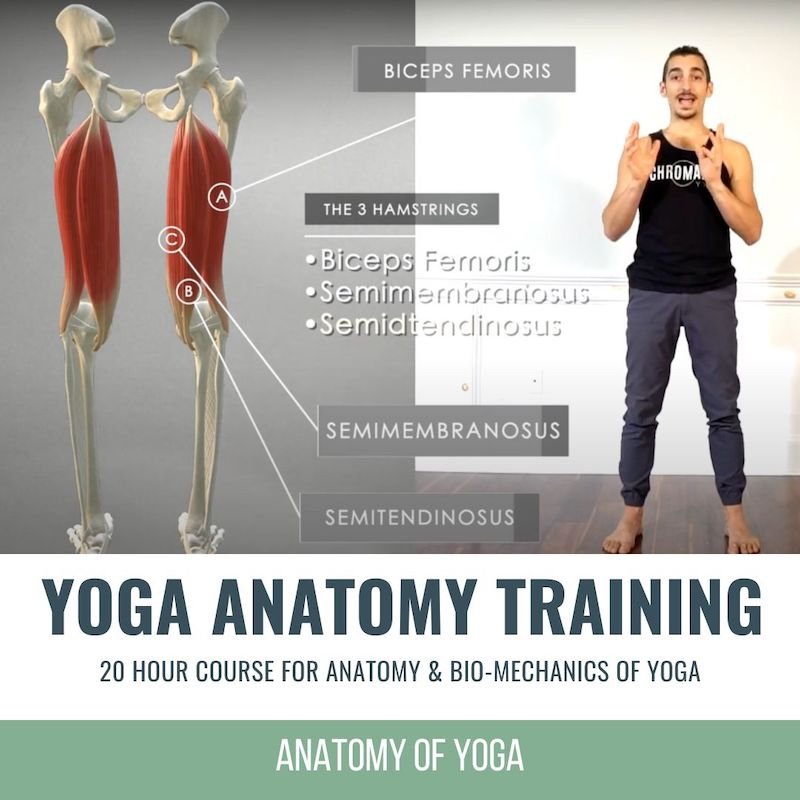
ONLINE ANATOMY COURSE

  • Accessible, exciting, and easy to learn
  • Anatomy and biomechanics for yoga
  • Appropriate for both teachers and students
  • Learn joint alignment vs pose alignment
  • Demystify yoga poses and transitions
  • Release aches and pains
  • Learn how to avoid common injuries
  • Caters to all levels with modifications and props
  • 20 hours Continued Education Credits with Yoga Alliance
  • 20 hours toward Chromatic Yoga Certification and 300 Hour
  • Lifetime access

Continue Learning

Opening The Heart Chakra

Opening The Heart Chakra

Opening The Heart ChakrabackbendOPENING THE HEART CHAKRA Opening the heart chakra is not simply about reaching deeper into a backbend. Matt reminds us that this space is rooted in love, balance, and connection, both with ourselves and with others. It reflects how we...

read more
5 Visual Demonstration Techniques for Yoga Teachers

5 Visual Demonstration Techniques for Yoga Teachers

5 Visual Demonstration Techniques for Yoga TeachersYoga TeachersVisual Demonstration This is often confused with “teaching from the mat.” Teaching at the front of the room can be useful at the right time and place, but that is not what we are referring to here. In...
read more
Awakening Solar Plexus Strength

Awakening Solar Plexus Strength

Awakening Solar Plexus Strengththird chakraAWAKENING SOLAR PLEXUS STRENGTH Awakening solar plexus strength invites us into the centre of transformation. Matt reminds us that this third chakra, Manipura, is our fire, our willpower, and our ability to take action. It...
read more
Hip Flexor Stretch Mechanics

Hip Flexor Stretch Mechanics

Hip Flexor Stretch MechanicsALIGNMENTHIP FLEXOR STRETCH MECHANICS Hip flexor stretch mechanics begins with understanding that stability and length often come from opposing actions. In the first demonstration, Matt cues the back inner thigh to lift upward, which tips...
read more
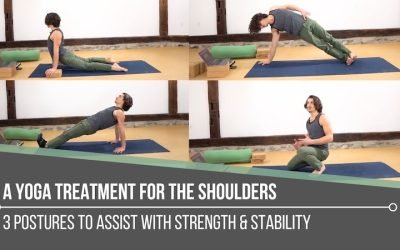
A Yoga Treatment For The Shoulders

A Yoga Treatment For The Shoulders

A Yoga Treatment For The ShouldersSTABILITYA YOGA TREATMENT FOR THE SHOULDERS Shoulders tend to speak up when stability is missing. Matt reminds us that building strength isn’t about aesthetics, it’s about support, resilience, and keeping the body working as one...
read more
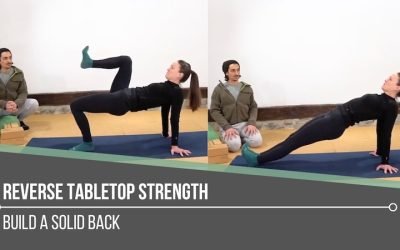
Reverse Tabletop Strength

Reverse Tabletop Strength

Reverse Tabletop StrengthMECHANICSREVERSE TABLETOP STRENGTH “Solid” implies strength,  yet in yoga, we can easily lose sight of how intentionally building the back body supports everything we do. Reverse Tabletop may look simple, but it asks a lot from the posterior...

read more

THE FREE TECHNIQUE PACK

When You Subscribe, You Will Get Instant Access to

  • the Technique Pack: 15 yoga pose breakdowns
  • exclusive online course discounts
  • exclusive blogs and videos
  • This field is for validation purposes and should be left unchanged.

Nurture The Neck

Nurture The Neck

alignment

NURTURE THE NECK

The neck is not often the shining star of our yoga practice, yet it is an integral part.  Too often, we may only offer more attention if we’re feeling pain in a particular posture.  It’s important however, for us to be proactive in how we work with the neck (cervical spine) in our yoga practice, both for our healing and prevention of any possible pain and/or limitation with rotation or overall mobility.

Throughout each day, a great number of us find ourselves in a postural position that’s not quite favourable to encourage the maintenance of healthy alignment, movement, and rotation in the neck.  

Matt offers a pathway of understanding first through anatomy, and then how we can best apply specific techniques and actions that will strengthen, minimize injury or pain and encourage mobility.

chromatic yoga 15 hour immersion

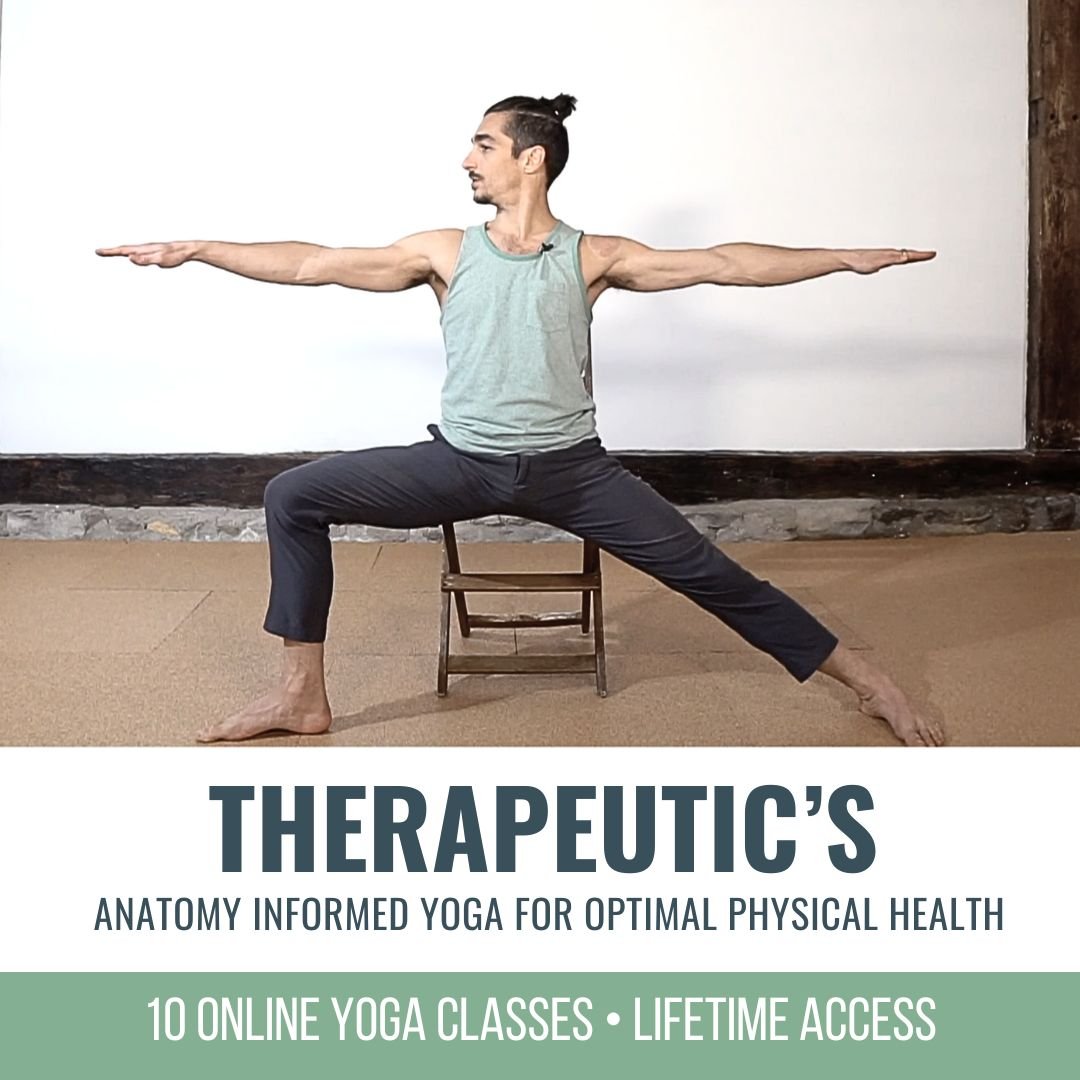
THERAPEUTIC'S

REGISTRATION NOW OPEN

  • 10 Chromatic Yoga practices with founder Matt Giordano
  • Full length 75 minute classes
  • Each Yoga class explore’s how to maintain optimal health in areas of the body that are prone to injury and chronic pain.
  • Highly informative and educational classes for both practitioners and teachers.
  • Each class includes warm ups, sun salutations, standing postures and cool down
  • How to use props to modify or enhance benefits of each asana.
  • Technique, biomechanics, and alignment at the forefront
  • 12 Continuing Education hours with Yoga Alliance
  • 12 Accredited Hours with the Chromatic School of Yoga
  • Step-by-Step instruction for increased accessibility
  • Improve strength, balance, flexibility, and proprioception
  • Disclaimer #1: This is not designed as “Yoga Therapy” and will not diagnose or treat any specific ailments or injuries.
  • Disclaimer #2: The purpose of this immersion is for education, exploration and understanding your options: there are no hard and fast solutions to injury’s that can be solved solely by practicing yoga
  • Disclaimer #3: If you have an acute injury, be sure you have a doctors approval prior to practicing this immersion

ANATOMY

In order to offset the frontal position we often find ourselves in from daily habits, Matt stresses that we must attend to the back neck muscles.  The Splenius Capitis muscles are diagonally oriented from the middle of the back, up to the neck.  They create lateral flexion, spinal extension, and for rotation.  The Sternocleidomastoid (SCM) muscles work in conjunction with the Splenius Capitis muscles.  The SCM is situated in the front of the neck that attaches to the collarbone.  It also connects at the sternum in the front and the mastoid process (at the back side of the skull).  In rotation, the right SCM will shorten and turn our head to the left and the left Splenius Capitis participates by also turning our head to the left.  Understanding this means that we must be intentional about our positioning, alignment, and actions within that alignment.  There are other muscles that participate, however being able to palpate these larger tissues is helpful in being closer to knowing if we feel a change in sensation within the area of the neck.

WATCH THE VIDEO

NURTURE THE NECK: TECHNIQUES TO ACTIVATE & ROTATE

ALIGNMENT CHECK

Just because we may have more “optimal positions” for the neck, it doesn’t mean that we should or will be in those positions all of the time.  This is why we must be intentional.  We should be consistently mindful to nurture the neck by exploring a position where the skull sits more “on top” of the spine more often in daily lives and on the yoga mat.  Implementing this habit along with techniques will remind us to be in these more “optimal positions” more often.  By just pulling the head back alone, it will take some of the stress off of the SCM and start to wake up the Splenius Capitis muscles in the back of the neck. 

200 Hour Online Teacher Training Certification

200 HOUR ONLINE TEACHER TRAINING

GET CERTIFIED & DEEPEN YOUR YOGA PRACTICE

  • Deepen your yoga practice
  • Build confidence speaking in front of groups in person and online
  • Learn foundational class structures and templates
  • Learn techniques for a wide range of yoga postures
  • Get certified and highly qualified to teach yoga
  • Yoga Alliance Globally Recognized Certification Program

TAKE THESE ACTIONS

Now, there’s more than just pulling the head back alone.  That’s just one of the 2 key actions.  For rotation of course, we are turning our heads.  Knowing the anatomy will of course help us to know if we are “doing it properly”, which means when in this position, it feels strong and supportive.  The muscles will be activated, therefore working to strengthen.  Keep in mind, the SCM may always feel as though it is working, but just because it feels taut, doesn’t mean that it is strong.  The SCM may be activated, but taking the actions to create a more equilateral distribution of work and activation will support our quest to actually strengthen the neck to reduce the chances of pain or injury.

    300 hour teacher training online

    300 HOUR ONLINE TEACHER TRAINING

    GET 500 HOUR CERTIFIED AS A MASTER TEACHER

    Master your skill set as a teacher through refined techniques, anatomy, biomechanics, sequencing, philosophy, meditation techniques, theming, yoga business, and much more!

    • Get 500 hour certified
    • Learn anatomy, biomechanics, asana techniques
    • Expand your teaching skills
    • Masterful sequencing and verbal delivery
    • Learn meditation and breathwork techniques
    • Transformative tools: theming, dharma talks, satsang

    POSTURE OPPORTUNITIES

    Warrior II

    Warrior II is a great place to start.  He demonstrates how to use a supportive hand behind the skull like a “self adjustment” in order to get automatic feedback about how we are aligning.  We learn to consistently lift and lengthen through the back of the neck.

    Against The Wall

    This drill takes those 2 actions (lift and lengthen) to the wall.  This time, our whole back body is pressed against the wall, providing even more feedback and information about where we are in space when we come away from this support.

    Half Moon

    There’s more at stake in Half Moon pose, because we are now adding the element of balance.  It tests our ability to maintain the alignment and actions in a new plane

    Incorporating techniques like this will undoubtedly over time, work to adjust our daily habits.  This can ultimately help to mitigate pain and hopefully keep more serious injury at bay.

    Matt’s upcoming 10 class online immersion Therapeutics will do a deeper dive into techniques that will enhance our ability to move with more ease.

    The 200 Hr. Teacher Training: Click Here to See the Next Start Date

    The 300 Hr. Advanced Teacher Training: Click Here to See the Next Start Date

    Article by Trish Curling

    Video Extracted From: Twists & Folds Immersion

    lotus pose online yoga classes

    ONLINE ANATOMY COURSE

    • Accessible, exciting, and easy to learn
    • Anatomy and biomechanics for yoga
    • Appropriate for both teachers and students
    • Learn joint alignment vs pose alignment
    • Demystify yoga poses and transitions
    • Release aches and pains
    • Learn how to avoid common injuries
    • Caters to all levels with modifications and props
    • 20 hours Continued Education Credits with Yoga Alliance
    • 20 hours toward Chromatic Yoga Certification and 300 Hour
    • Lifetime access

    Continue Learning

    Opening The Heart Chakra

    Opening The Heart Chakra

    Opening The Heart ChakrabackbendOPENING THE HEART CHAKRA Opening the heart chakra is not simply about reaching deeper into a backbend. Matt reminds us that this space is rooted in love, balance, and connection, both with ourselves and with others. It reflects how we...

    read more
    5 Visual Demonstration Techniques for Yoga Teachers

    5 Visual Demonstration Techniques for Yoga Teachers

    5 Visual Demonstration Techniques for Yoga TeachersYoga TeachersVisual Demonstration This is often confused with “teaching from the mat.” Teaching at the front of the room can be useful at the right time and place, but that is not what we are referring to here. In...

    read more
    Awakening Solar Plexus Strength

    Awakening Solar Plexus Strength

    Awakening Solar Plexus Strengththird chakraAWAKENING SOLAR PLEXUS STRENGTH Awakening solar plexus strength invites us into the centre of transformation. Matt reminds us that this third chakra, Manipura, is our fire, our willpower, and our ability to take action. It...

    read more
    Hip Flexor Stretch Mechanics

    Hip Flexor Stretch Mechanics

    Hip Flexor Stretch MechanicsALIGNMENTHIP FLEXOR STRETCH MECHANICS Hip flexor stretch mechanics begins with understanding that stability and length often come from opposing actions. In the first demonstration, Matt cues the back inner thigh to lift upward, which tips...

    read more
    A Yoga Treatment For The Shoulders

    A Yoga Treatment For The Shoulders

    A Yoga Treatment For The ShouldersSTABILITYA YOGA TREATMENT FOR THE SHOULDERS Shoulders tend to speak up when stability is missing. Matt reminds us that building strength isn’t about aesthetics, it’s about support, resilience, and keeping the body working as one...

    read more
    Reverse Tabletop Strength

    Reverse Tabletop Strength

    Reverse Tabletop StrengthMECHANICSREVERSE TABLETOP STRENGTH “Solid” implies strength,  yet in yoga, we can easily lose sight of how intentionally building the back body supports everything we do. Reverse Tabletop may look simple, but it asks a lot from the posterior...

    read more

    THE FREE TECHNIQUE PACK

    When You Subscribe, You Will Get Instant Access to

    • the Technique Pack: 15 yoga pose breakdowns
    • exclusive online course discounts
    • exclusive blogs and videos
    • This field is for validation purposes and should be left unchanged.

    Neck Alignment

    Neck Alignment

    Techniques to Find More Ease in Headstand

    sirsasana

    NECK ALIGNMENT FOR INVERSIONS

    Yoga postures typically start “from the feet up.” The same is true when it comes to inversions—it’s just flipped upside down. The positioning of the head and neck sets the foundation, so finding balance can be quite challenging.  

    Inversions can be scary stuff, and there’s plenty of legitimate fear to go around. With inversions, the neck becomes “the feet” of the posture, and neck alignment will directly inform your experience. Proper alignment, along with the technique of “pressing your head back,” will strengthen your neck muscles and provide you with the stability required for this posture. In today’s video, Matt breaks down how this technique will provide you with confidence and help you overcome your fears in Headstand.

    online classes for anatomy of arm balances

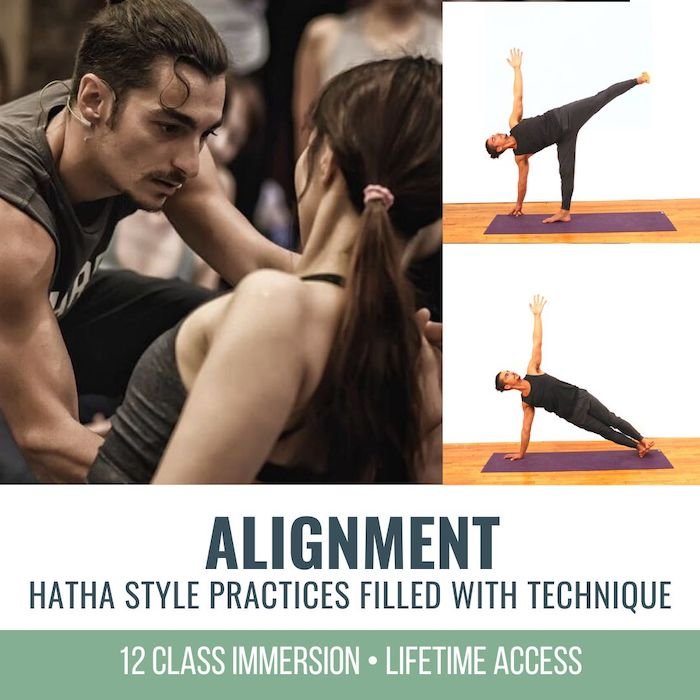
    ALIGNMENT

    JUNE 2023 Immersion

    • 12 Hatha-style practices
    • Transformative and informative experience
    • Alignment and techniques for the most common asana postures
    • Step-by-step, easy-to-follow instruction
    • Improve strength, balance, flexibility, and proprioception
    • Accessible and empowering modifications
    • Appropriate variations a modifications for all levels

    $168.00 $138.00

    MORE INFORMATION

    PRESS YOUR HEAD BACK

    The fear of going upside down and placing weight on your neck can be enough to put you off of the posture all together, but the technique of pressing your head back can restore your faith in your ability to execute Headstand with assurance. One of the best ways to practice this technique is upright. Before you consider the strength, consider the neck alignment. Pulling your skull up and back will bring your head more in line with your spinal column and pelvis. Matt explains that this will place your cervical spine into a more concave shape, rather than the common convex shape that occurs due to a frequently forward carriage of the head. At the beginning of the video, you’ll see that the next step is to press your head into your thumbs. These steps are important to explore before you place any weight on your head in inversions.  

    WATCH THE VIDEO

    NECK ALIGNMENT: TECHNIQUES TO FIND MORE EASE IN HEADSTAND

    HEADSTAND PREPARATION

    Once you feel more comfortable with the neck alignment cues, moving on to the next step in Headstand preparation means exploring those cues in Dolphin Pose. What also needs to be discussed here are the options you have in terms of the amount of weight you opt to place on your head.  

    At the initial stages of the setup, creating protraction and elevation in the shoulders will help you find more length in the back of your neck and also assist in keeping your head off of the ground. This will make the shift towards taking the back of your head away from your elbows and closer to your hands much easier. The key step, however, is the plantar flexion of your feet in order to make this shift. Next, pressing your head into your hands (more specifically your thumbs) will assist in strengthening your neck muscles.

    200 Hour Online Teacher Training Certification

    200 HOUR ONLINE TEACHER TRAINING

    GET CERTIFIED & DEEPEN YOUR YOGA PRACTICE

    • Deepen your yoga practice
    • Build confidence speaking in front of groups in person and online
    • Learn foundational class structures and templates
    • Learn techniques for a wide range of yoga postures
    • Get certified and highly qualified to teach yoga
    • Yoga Alliance Globally Recognized Certification Program

    HEADSTAND WITH BLOCKS

    You now know that pointing your toes will assist in stacking the pelvis over the shoulders, but hamstring flexibility is also required. Gaining the appropriate amount of hamstring flexibility will not happen overnight. This is where elevating your feet on blocks is extremely helpful. Using blocks creates a shorter distance for you to create the stacking you need in order to lift your legs. If you’re not ready to take flight in this way, then practice the stacking by moving back and forth between plantar flexion and dorsiflexion at the ankle joint. This will help you gain a deeper understanding of where your body needs to be in space.  

    300 hour teacher training online

    300 HOUR ONLINE TEACHER TRAINING

    GET 500 HOUR CERTIFIED AS A MASTER TEACHER

    Master your skill set as a teacher through refined techniques, anatomy, biomechanics, sequencing, philosophy, meditation techniques, theming, yoga business, and much more!

    • Get 500 hour certified
    • Learn anatomy, biomechanics, asana techniques
    • Expand your teaching skills
    • Masterful sequencing and verbal delivery
    • Learn meditation and breathwork techniques
    • Transformative tools: theming, dharma talks, satsang

    UP AGAINST THE WALL

    Not knowing where your body is in space is a reason you might choose to practice up against a wall, and this is a great decision, especially when you want to send your legs up in the air.  

    You may, however, feel like you are up against a figurative wall when trying to “crack the code” for Headstands. It is possible to start depending on the wall for security, which is why implementing the technique of pressing your head into your hands can completely transform your experience. Once you do that, you can feel everything else fall into place: The action encourages the bottom ribs to knit back, which can then send the pelvis over the shoulders. The beauty of using the wall is that you have time to more deeply understand the cues while it acts as your personal spotter.

    Register for Matt’s Alignment Immersion to learn all of the cues that help you to safely practice Headstand.

    The 200 Hr. Teacher Training: Click Here to See the Next Start Date

    The 300 Hr. Advanced Teacher Training: Click Here to See the Next Start Date

    Article by Trish Curling

    Video Extracted From: Alignment Immersion

    lotus pose online yoga classes

    The Teachers' Toolkit

    • Advance your practice
    • Learn masterful teaching techniques
    • Acquire business-building skills
    • Attract the right students
    • Learn about social media, marketing, and business structure
    • Catapult your teaching and career

    Continue Learning

    Opening The Heart Chakra

    Opening The Heart Chakra

    Opening The Heart ChakrabackbendOPENING THE HEART CHAKRA Opening the heart chakra is not simply about reaching deeper into a backbend. Matt reminds us that this space is rooted in love, balance, and connection, both with ourselves and with others. It reflects how we...

    read more
    5 Visual Demonstration Techniques for Yoga Teachers

    5 Visual Demonstration Techniques for Yoga Teachers

    5 Visual Demonstration Techniques for Yoga TeachersYoga TeachersVisual Demonstration This is often confused with “teaching from the mat.” Teaching at the front of the room can be useful at the right time and place, but that is not what we are referring to here. In...

    read more
    Awakening Solar Plexus Strength

    Awakening Solar Plexus Strength

    Awakening Solar Plexus Strengththird chakraAWAKENING SOLAR PLEXUS STRENGTH Awakening solar plexus strength invites us into the centre of transformation. Matt reminds us that this third chakra, Manipura, is our fire, our willpower, and our ability to take action. It...

    read more
    Hip Flexor Stretch Mechanics

    Hip Flexor Stretch Mechanics

    Hip Flexor Stretch MechanicsALIGNMENTHIP FLEXOR STRETCH MECHANICS Hip flexor stretch mechanics begins with understanding that stability and length often come from opposing actions. In the first demonstration, Matt cues the back inner thigh to lift upward, which tips...

    read more
    A Yoga Treatment For The Shoulders

    A Yoga Treatment For The Shoulders

    A Yoga Treatment For The ShouldersSTABILITYA YOGA TREATMENT FOR THE SHOULDERS Shoulders tend to speak up when stability is missing. Matt reminds us that building strength isn’t about aesthetics, it’s about support, resilience, and keeping the body working as one...

    read more
    Reverse Tabletop Strength

    Reverse Tabletop Strength

    Reverse Tabletop StrengthMECHANICSREVERSE TABLETOP STRENGTH “Solid” implies strength,  yet in yoga, we can easily lose sight of how intentionally building the back body supports everything we do. Reverse Tabletop may look simple, but it asks a lot from the posterior...

    read more

    THE FREE TECHNIQUE PACK

    When You Subscribe, You Will Get Instant Access to

    • the Technique Pack: 15 yoga pose breakdowns
    • exclusive online course discounts
    • exclusive blogs and videos
    • This field is for validation purposes and should be left unchanged.

    Pin It on Pinterest