Invert With EaseBALANCEINVERT WITH EASE Feeling good upside down begins before our feet ever leave the floor. It comes from knowing that we have prepared the body well enough to make choices once gravity changes the conversation. In today’s video, Matt helps us invert...
Lizard Like You’ve Never Seen It
Lizard Like You've Never Seen It
utthan pristhasana
LIZARD LIKE YOU'VE NEVER SEEN IT
Familiarity in a yoga posture can feel really good. There’s a comfort in knowing exactly what to do when we get on a mat. The thing is, we can get caught up in thinking that the more we do a posture, the more progress we’ll make. We can become quite complacent with what we’re used to doing. This approach can feel like it’s serving us until we’re confronted with something new.
In today’s video, Matt demonstrates 4 variations of Lizard pose like we’ve never seen. More than the positioning though, we learn the techniques that actually promote transformation. This transformation comes in the form of increased stability, strength and/or flexibility.
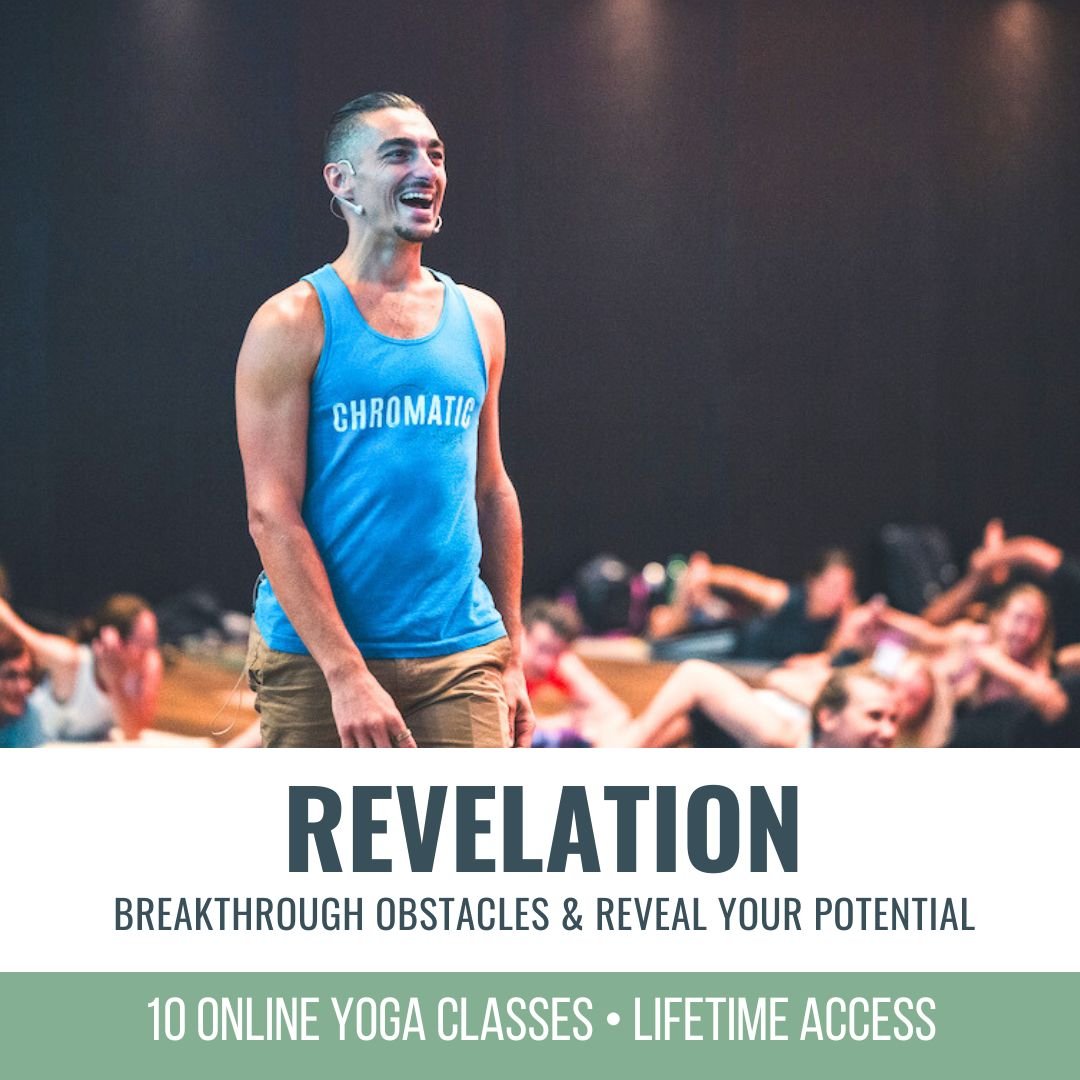
REVELATION
REGISTRATION NOW OPEN
- 10 Chromatic Yoga practices with founder Matt Giordano
- Full-spectrum immersion covering all posture categories
- Includes twists, folds, hip openers, shoulders, arm balances, and more
- Improve your body awareness and advance your practice
- Technique, biomechanics, and alignment at the forefront
- 12 Continuing Education hours with Yoga Alliance
- 12 Accredited Hours with the Chromatic School of Yoga
- Step-by-step instruction for increased accessibility
- Improve strength, balance, flexibility, and proprioception
- Appropriate variations and modifications for all levels
LET'S CALL IT "HUMBLE LIZARD"
The first Lizard variation is quite unique. The positioning is actually set up like Humble Warrior. If you’ve practiced with Matt multiple times, then you might know what I’m about to say next. Yes, that’s right; we pull the feet towards one another in order to engage the adductors. Just like in a more “traditional” Lizard pose, the thigh bone of the front leg is externally rotated in the hip socket. The next muscle engagement happens in the buttocks by driving the front heel down into the mat. This action is also activating the external rotators to roll the front thigh bone out against the pelvis, which is bowing forward. The combination of pulling the feet together and pressing the front heel down will work to increase external range of motion over time.
WATCH THE VIDEO
LIZARD LIKE YOU'VE NEVER SEEN IT: MASTERFUL TECHNIQUES IN 4 VARIATIONS
LIZARD SPECIFICS
In this more “common” Lizard variation, we get an opportunity to implement some additional specifics. These “specifics” are the catalyst for the larger shifts that happen in our practice.
A key element we might miss is taking the hips up and back. Again, this sets up a better positioning for muscle activation. A tendency here is to drop the hips in the pursuit of flexibility, but if we are seeking increased flexibility, we must train our muscles to activate at any length. This safety and integrity will eventually develop the flexibility we’re looking for.
Again we externally rotate the front thigh and send the torso in the opposite direction in order to have more space to get the forearms closer to the mat.
Next, turning the toes of the front foot out, while pressing the heel down and dropping the pelvis are all specifics that ignite this Lizard variation.
200 HOUR ONLINE TEACHER TRAINING
GET CERTIFIED & DEEPEN YOUR YOGA PRACTICE
- Deepen your yoga practice
- Build confidence speaking in front of groups in person and online
- Learn foundational class structures and templates
- Learn techniques for a wide range of yoga postures
- Get certified and highly qualified to teach yoga
- Yoga Alliance Globally Recognized Certification Program
"LEANING LIZARD"
“Leaning Lizard” can be tricky, so taking the alternative Matt offers in the video will be helpful. Initially he demonstrates that we’re trying to get as deep as getting the armpit down towards the lower shin with the knee out to the side (external rotation once again). The alternative is coming up away from the forearms and onto the fingertips. This will reduce the amount of external rotation required, while still allowing us to work into the posture.
Ultimately if we’re attempting what Matt demonstrates first, it requires an extreme amount of external rotation, and as he mentions, will be a great preparation for postures like Agnistambhasana and Lotus pose.
300 HOUR ONLINE TEACHER TRAINING
GET 500 HOUR CERTIFIED AS A MASTER TEACHER
Master your skill set as a teacher through refined techniques, anatomy, biomechanics, sequencing, philosophy, meditation techniques, theming, yoga business, and much more!
- Get 500 hour certified
- Learn anatomy, biomechanics, asana techniques
- Expand your teaching skills
- Masterful sequencing and verbal delivery
- Learn meditation and breathwork techniques
- Transformative tools: theming, dharma talks, satsang
BUILD IT UP
In the last variation we “build it up” literally and figuratively. We are building upon our execution of technique, strength, and flexibility. This is done by coming into another variation of Lizard pose with a block underneath the front foot. It’s possible that we may be more familiar with utilizing a block under the hands or forearms (which is always welcome), but added to the use of the block in this variation is attention to the placement of the back foot. Again, we are bowing to the inside of the front foot, implementing the external rotation in that upper thigh bone. The rotation will provide a more powerful stretch to the deep glutes.
The accumulation of knowledge and implementation of these actions are the building blocks of our practice. The techniques, combined with the “right” positioning for our bodies at the right time, with consistency, direct us on a path to true transformation.
Have you tried the “Hips practice” in Matt’s new online immersion Revelation yet? Don’t miss out on an opportunity to further your education into the hip, but to also personalize your practice with the rich options and techniques Matt provides for your overall practice.
The 200 Hr. Teacher Training: Click Here to See the Next Start Date
The 300 Hr. Advanced Teacher Training: Click Here to See the Next Start Date
Article by Trish Curling
Video Extracted From: Hips & Hamstrings Immersion
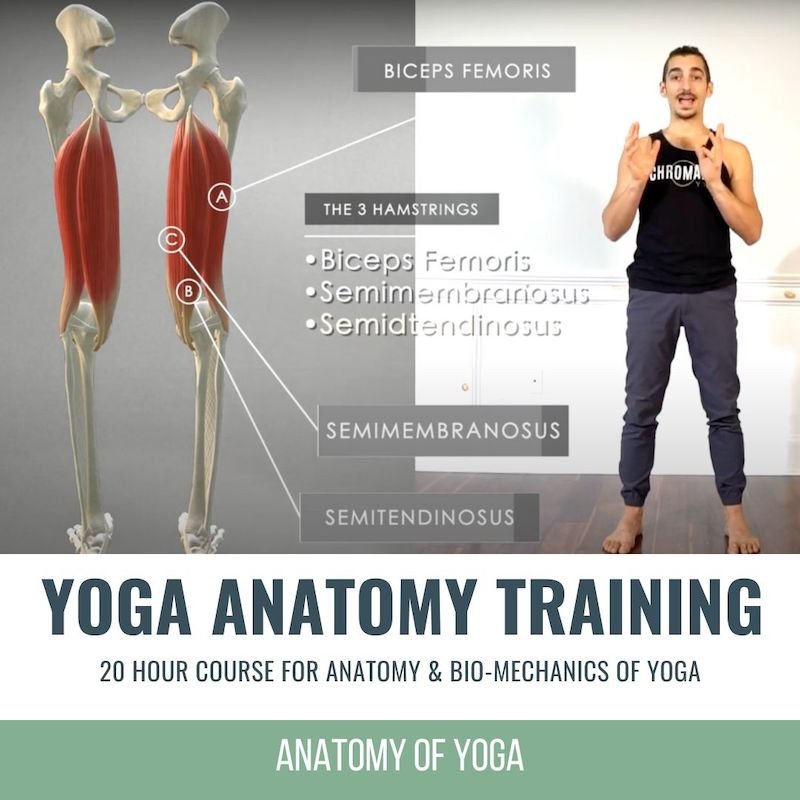
ONLINE ANATOMY COURSE
- Accessible, exciting, and easy to learn
- Anatomy and biomechanics for yoga
- Appropriate for both teachers and students
- Learn joint alignment vs pose alignment
- Demystify yoga poses and transitions
- Release aches and pains
- Learn how to avoid common injuries
- Caters to all levels with modifications and props
- 20 hours Continued Education Credits with Yoga Alliance
- 20 hours toward Chromatic Yoga Certification and 300 Hour
- Lifetime access
Continue Learning

Invert With Ease
read more

Overcome Handstand Hurdles
Overcome Handstand HurdlesSTRENGTHOVERCOME HANDSTAND HURDLES Getting upside down is often harder than staying there. Matt teaches us that once we confidently arrive in Handstand, the effort can actually become quieter. The real work lies in the entry, where strength,...

The Core Of Your Arm Balances
The Core Of Your Arm Balancesspinal flexionTHE CORE OF YOUR ARM BALANCES Arm balances may appear to be about what is happening in the hands and shoulders, but some of their most important mechanics are taking shape around the spine. When we explore the core of your...
Heart Opening Hints
Heart Opening HintsbackbendHEART OPENING HINTS What if one backbend could quietly teach us how to approach another? This is where Chromatic Yoga becomes particularly interesting. Instead of treating each posture as its own isolated challenge, we can recognize...
Flying Pigeon Patterning
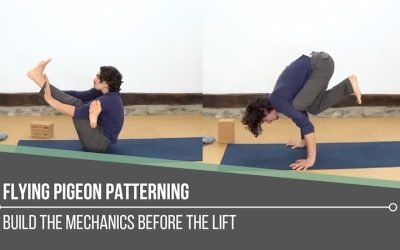
Flying Pigeon Patterningarm balanceFLYING PIGEON PATTERNING Flying Pigeon isn't created by strength alone. In today's video, Matt walks us through the sequence of actions that organize the body before the balance even begins. From the initial relationship between the...

Hip Health Masterclass
Hip Health MasterclassmobilityHIP HEALTH MASTERCLASS Strong hips don't simply happen because we spend more time stretching them. They develop through a conversation between mobility and muscular control, where each action teaches the body how to move with greater...
THE FREE TECHNIQUE PACK
When You Subscribe, You Will Get Instant Access to
- the Technique Pack: 15 yoga pose breakdowns
- exclusive online course discounts
- exclusive blogs and videos