Flying Revolved Half Lotus

Flying Revolved Half Lotus

ARM BALANCE

FLYING REVOLVED HALF LOTUS

Some postures don’t arrive through imitation; they arrive through investigation. Flying Revolved Half Lotus is one of those shapes. It borrows familiar ingredients like Side Crow mechanics, hip opening, Janu Sirsasana–style leg positioning, spinal rotation, and the essential arm-balance actions of leaning, resisting, and pushing. It also demands strong scapular protraction and a willingness to stay curious rather than chase something predefined. In the full class, Matt shared that this pose wasn’t something he was necessarily taught, but rather that it emerged through exploration, asking how known shapes could reorganize into something new. In many ways, Flying Revolved Half Lotus can feel more approachable than Flying Full Lotus because it allows the hips to work asymmetrically. Instead of forcing symmetry, we learn to manage rotation, weight distribution, and balance through intelligent setup piece by piece – the Chromatic way of course.
chromatic yoga 15 hour immersion

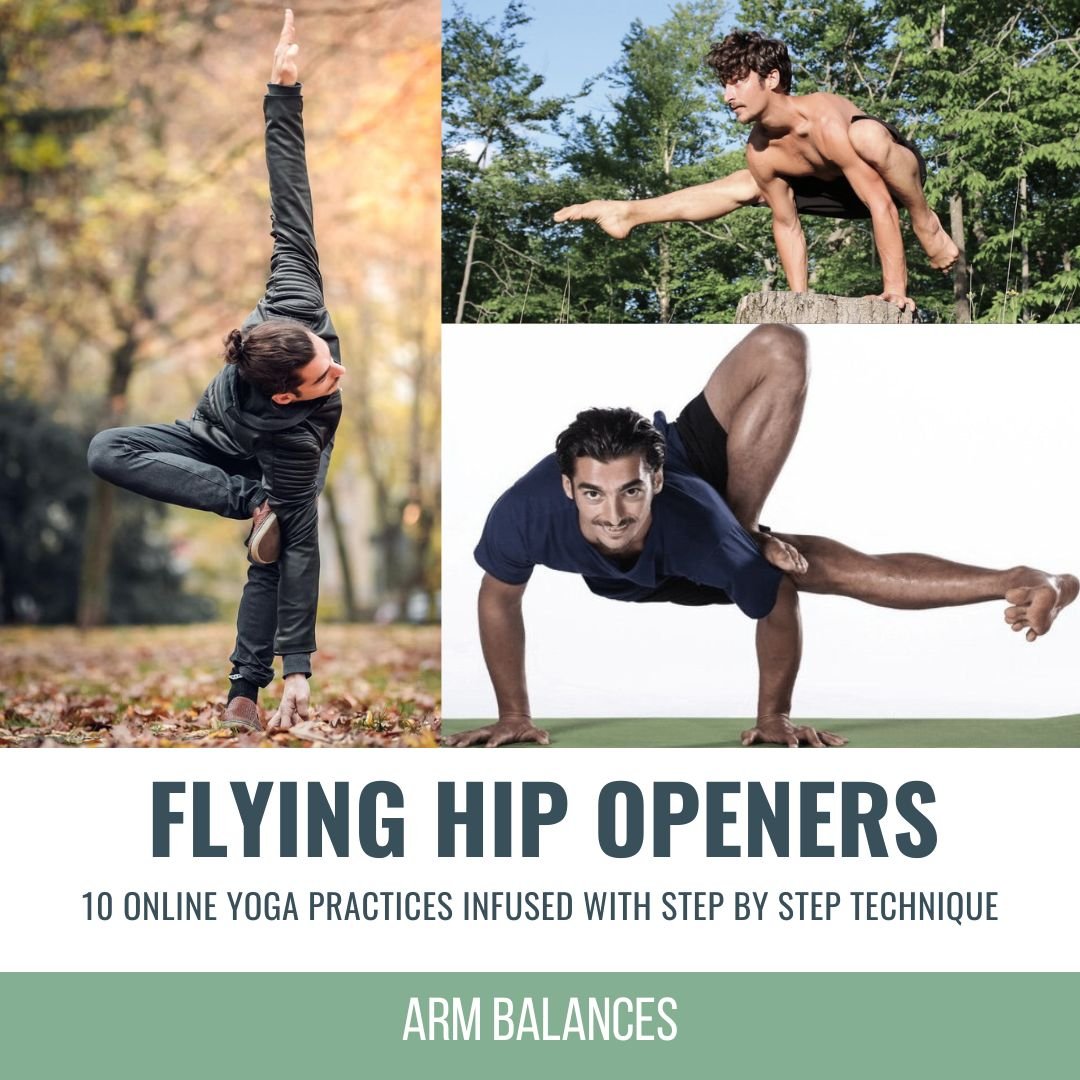
FLYING HIP OPENERS

ASANA INFUSED WITH STEP BY STEP TECHNIQUES FOR ARM BALANCES

  • 10 Chromatic Yoga practices with founder Matt Giordano
  • Physically Invigorating
  • Foundations, Refinement and Advancement
  • Meticulously Crafted Experiences to Set you up for Maximum Success
  • Included Postures: Crow, Side Crow, Firefly, Dragon Fly, Revolved Flying Half Lotus, Koundenyasana 1 & 2, Hybrid Arm Balances, Straddle Handstand and More
  • 12+ Arm Balances with Modifications and Variations!
  • Hip Opening Techniques, Core Strength, Wrist Strength and Mobility
  • All Levels Appropriate Full length 75 minute Classes
  • Non-dogmatic, Anatomy informed Alignment
  • The Perfect Blend of Knowledge and Practice
  • A Heavy Emphasis on Technique for the Poses Everyone Expects You to Know but Non One Teaches
  • 12 Continuing Education hours with Yoga Alliance and American Yoga Council
  • 12 Accredited Practice Hours with the Chromatic School of Yoga
  • Step-by-Step instruction for increased accessibility
  • Sweat, Breath, Strengthen, Stretch and Feel Amazing!

PIGEON IS IMPORTANT

We begin in a lifted pigeon preparation, with the right shin across the mat and the legs staying active rather than sinking into flexibility. Matt cues us to pull the pelvis back by reaching strongly through the back heel, creating length and tone at the same time. From here, the twist becomes the priority. We flex the spine and rotate, placing the left elbow down while the right hand actively pushes the torso away from the front thigh. This push-and-reach dynamic creates space for rotation rather than collapsing into it. The left arm reaches to deepen the twist while the right hand provides resistance, keeping the body buoyant and supported. Although the stretch is deep, the strength in the legs keeps us organized. This phase establishes the rotational blueprint we’ll later need when gravity becomes part of the equation.

WATCH THE VIDEO

FLYING REVOLVED HALF LOTUS: UNRAVEL ALL OF ITS PARTS

SIDE CROW IS VITAL

Before taking flight, we return to something familiar: Side Crow. Matt instructs us that any variation works, as long as the pelvis isn’t resting passively on the opposite elbow. Matt emphasizes lining the knee up outside the elbow so the load transfers cleanly through the arms. Whether squeezing a block between the shins, pulling a strap apart, or keeping one foot grounded, the goal is the same, which is to lean forward, grip the ground, and hold. This isn’t about how long we balance, but about imprinting the arm-balance mechanics that Flying Revolved Half Lotus depends on. Protraction, finger grip, and forward lean all get rehearsed here. Side Crow becomes the structural anchor of the pose, reminding us how rotation and balance coexist without one overpowering the other.
200 Hour Online Teacher Training Certification

200 HOUR ONLINE TEACHER TRAINING

GET CERTIFIED & DEEPEN YOUR YOGA PRACTICE

  • Deepen your yoga practice
  • Build confidence speaking in front of groups in person and online
  • Learn foundational class structures and templates
  • Learn techniques for a wide range of yoga postures
  • Get certified and highly qualified to teach yoga
  • Yoga Alliance Globally Recognized Certification Program

THE INITIAL SHAPE

Next, Matt brings us back to the floor to “imprint the experience.” With the left foot grounded and the right leg extended or bent, we sit up and lower down repeatedly, flexing and rotating the spine. This sit-up pattern mimics the core engagement and twisting effort of the final pose without the pressure of balancing. Holding the shape briefly lets the nervous system recognize it as familiar. From here, we might explore a standing variation that draws the knee tightly across the body, echoing the half-lotus pathway. Hands hover as if preparing for Side Crow, knees stay compact, and we subtly wiggle to find alignment. This phase isn’t flashy, but it’s essential. It’s where the body learns the shape before being asked to support it.
300 hour teacher training online

300 HOUR ONLINE TEACHER TRAINING

GET 500 HOUR CERTIFIED AS A MASTER TEACHER

Master your skill set as a teacher through refined techniques, anatomy, biomechanics, sequencing, philosophy, meditation techniques, theming, yoga business, and much more!

  • Get 500 hour certified
  • Learn anatomy, biomechanics, asana techniques
  • Expand your teaching skills
  • Masterful sequencing and verbal delivery
  • Learn meditation and breathwork techniques
  • Transformative tools: theming, dharma talks, satsang

READY TO GO

When all the pieces come together, the transition feels deliberate rather than rushed. We move the knees slightly to create space for the elbow, place the hands wide, and lean forward and slightly sideways. One knee presses down as the other draws inward, creating opposition that stabilizes the lift. Matt demonstrates options here, reminding us that Flying Revolved Half Lotus isn’t about forcing elevation, it’s about honoring the setup. Whether we lift fully or hover with control, the work has already been done. The hips understand their role, the arms know how to support, and the spine rotates with clarity. At this point, the pose isn’t mysterious, it’s simply a conversation between familiar actions, organized with intention.

Matt finished off 2025 with strength in his Flying Hip Openers Immersion.  Did you miss it?  You can still register for all of the lifetime replays here.

The 200 Hr. Teacher Training: Click Here to See the Next Start Date

The 300 Hr. Advanced Teacher Training: Click Here to See the Next Start Date

Article by Trish Curling

Video Extracted From: Flying Hip Openers Immersion
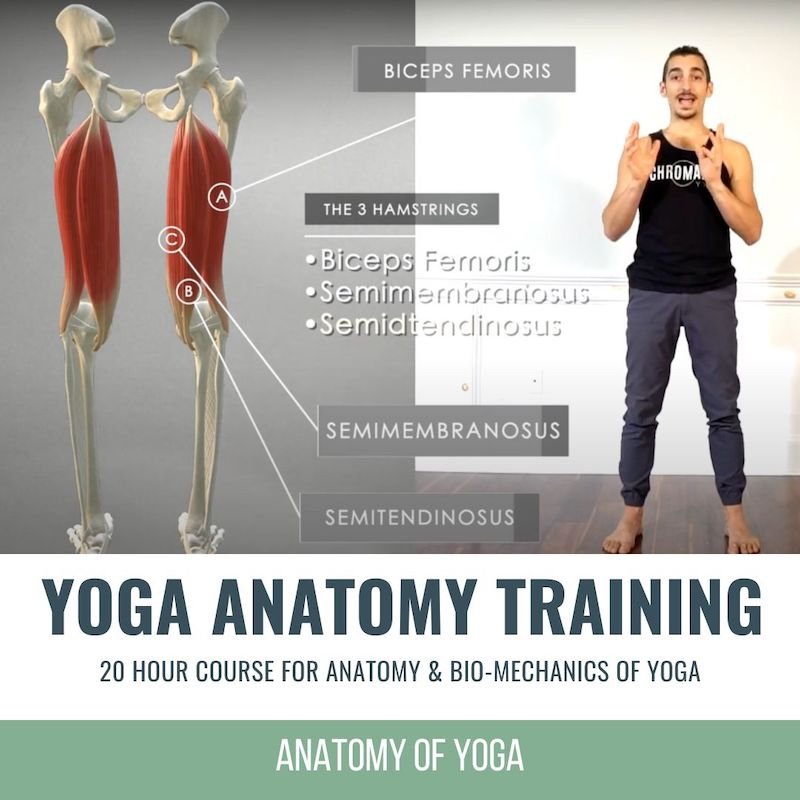
lotus pose online yoga classes

ONLINE ANATOMY COURSE

  • Accessible, exciting, and easy to learn
  • Anatomy and biomechanics for yoga
  • Appropriate for both teachers and students
  • Learn joint alignment vs pose alignment
  • Demystify yoga poses and transitions
  • Release aches and pains
  • Learn how to avoid common injuries
  • Caters to all levels with modifications and props
  • 20 hours Continued Education Credits with Yoga Alliance
  • 20 hours toward Chromatic Yoga Certification and 300 Hour
  • Lifetime access

Continue Learning

Hip Flexor Stretch Mechanics

Hip Flexor Stretch Mechanics

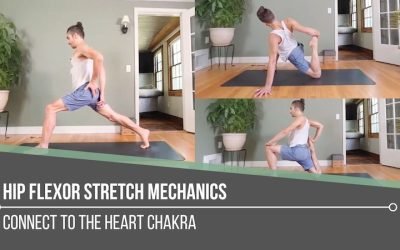
Hip Flexor Stretch MechanicsALIGNMENTHIP FLEXOR STRETCH MECHANICS Hip flexor stretch mechanics begins with understanding that stability and length often come from opposing actions. In the first demonstration, Matt cues the back inner thigh to lift upward, which tips...

read more
A Yoga Treatment For The Shoulders

A Yoga Treatment For The Shoulders

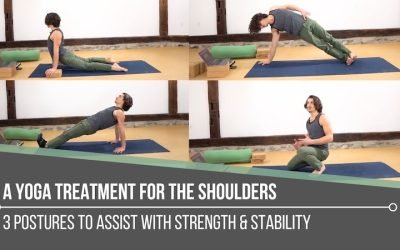
A Yoga Treatment For The ShouldersSTABILITYA YOGA TREATMENT FOR THE SHOULDERS Shoulders tend to speak up when stability is missing. Matt reminds us that building strength isn’t about aesthetics, it’s about support, resilience, and keeping the body working as one...
read more
Reverse Tabletop Strength

Reverse Tabletop Strength

Reverse Tabletop StrengthMECHANICSREVERSE TABLETOP STRENGTH “Solid” implies strength,  yet in yoga, we can easily lose sight of how intentionally building the back body supports everything we do. Reverse Tabletop may look simple, but it asks a lot from the posterior...
read more
Focus On Eagle Pose Legs

Focus On Eagle Pose Legs

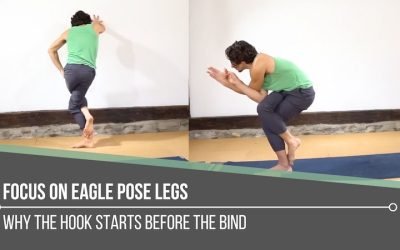
Focus On Eagle Pose LegsMECHANICSFOCUS ON EAGLE POSE LEGS When we focus on Eagle Pose legs, it’s tempting to assume the bind is a flexibility test. But this posture quietly reveals something more nuanced: timing, joint mechanics, and how efficiently the legs organize...
read more
Build Connection On The Mat

Build Connection On The Mat

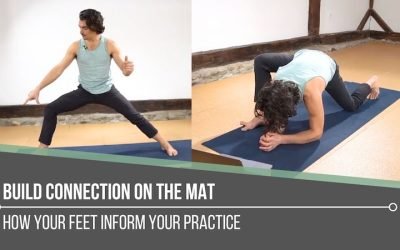
Build Connection On The MatGROUNDINGBUILD CONNECTION ON THE MAT Building connection on the mat starts at the place we tend to overlook: our feet. If we only practice the “shape” of a posture, we can miss the biomechanics that change how the whole pose feels from the...
read more
Flying Revolved Half Lotus

Flying Revolved Half Lotus

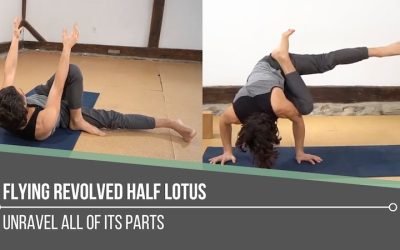
Flying Revolved Half LotusARM BALANCEFLYING REVOLVED HALF LOTUS Some postures don’t arrive through imitation; they arrive through investigation. Flying Revolved Half Lotus is one of those shapes. It borrows familiar ingredients like Side Crow mechanics, hip opening,...

read more

THE FREE TECHNIQUE PACK

When You Subscribe, You Will Get Instant Access to

  • the Technique Pack: 15 yoga pose breakdowns
  • exclusive online course discounts
  • exclusive blogs and videos
  • This field is for validation purposes and should be left unchanged.

Janu Sirsasana To Half Lotus

Janu Sirsasana to Half Lotus

Kurmasana

JANU SIRSASANA TO HALF LOTUS

There’s never one single route to a posture we’re exploring. There are individual specifics we always need to consider.  

When it comes to hip opening postures like Janu Sirsasana and Half Lotus, we may believe that they are very close in terms of the amount of hip range of motion that is required. This may be true for some people but not for others and comes back to what we’re individually experiencing in our bodies. We may experience tightness or pain in either posture. While there can be a direct connection between hip range of motion and knee pain, there are actions and steps we can take to make access to these postures more available. In today’s video, Matt demonstrates techniques we can implement that reduce hip tightness while increasing hip range of motion.

chromatic yoga 15 hour immersion

ITALY RETREAT

REGISTRATION NOW OPEN

  • Spa & Yoga Retreat
  • Close to the coast line and beaches
  • 2 spa days included (sauna, hot tub, Turkish bath)
  • Morning and early-evening yoga with Matt
  • Daytime free for adventures or to enjoy Ayurvedic massage and treatments
  • Connect with incredible yogis from around the world!
  • ALL LEVELS and all ages 18-85 appropriate
  • Skillfully guided experience: yoga, meditation, breathwork
  • Biomechanics and inspirational philosophy
  • Welcoming and communal group of yogis!

FIX FOR KNEE PAIN

Both postures require external rotation of the hip. Yes, Half Lotus will require more, but we can still pay attention to the sensations we feel when setting up in Janu Sirsasana. The first thing we can do in the attempt to alleviate hip pain is to use support from props. The other “fix,” of course, would be to explore other postures that contribute to and develop increased hip range of motion.

In the Janu Sirsasana variations Matt demonstrates in the video, we see that he uses both towels and blocks to prop up either his entire body or the bent knee for support.

As far as other postures go, it’s often about activation of the muscles we’re trying to lengthen.

If we’re exploring Janu Sirsasana, then working intelligently on the variation that helps us practice without pain will be vital in our development towards Lotus Pose.

WATCH THE VIDEO

JANU SIRSASANA TO HALF LOTUS: LESS TIGHTNESS, MORE RANGE

JANU SIRSASANA VARIATION

Matt jumps straight into Janu Sirsasana variations at the beginning of the clip.

He starts us off in a variation with a twist and a bind, which is a deep stretch for the hips. What we need to pay attention to here is both the amount of external rotation and potentially the activation of the muscles that surround the hip joint.  

We can give ourselves our own adjustment by using the hand to externally rotate the thigh and/or by pressing the knee down towards the floor for muscle activation.

200 Hour Online Teacher Training Certification

200 HOUR ONLINE TEACHER TRAINING

GET CERTIFIED & DEEPEN YOUR YOGA PRACTICE

  • Deepen your yoga practice
  • Build confidence speaking in front of groups in person and online
  • Learn foundational class structures and templates
  • Learn techniques for a wide range of yoga postures
  • Get certified and highly qualified to teach yoga
  • Yoga Alliance Globally Recognized Certification Program

STANDING HALF LOTUS

Whether we’re standing or sitting, the same principles apply. It’s never a good idea to force ourselves into a posture! Here are the steps:

  1. Bring the ankle up so that the shin of the lifted leg is parallel to the ground
  2. Use a self-adjustment to externally rotate the hip
  3. Bring the lifted leg out to the side (to help with hip tightness)
  4. Once the heel has been moved towards the belly  button, the knee can be lowered down towards the ground

Before lowering completely into an Uttanasana position, Matt offers more variations, in which we get the opportunity to bind the hands.  

This standing position might be the direct route to Half Lotus we’re looking for, due to our increased ability to rest the ankle of the bent leg across the standing leg. This can only be achieved when the tightness subsides and more range of motion is realized.

300 hour teacher training online

300 HOUR ONLINE TEACHER TRAINING

GET 500 HOUR CERTIFIED AS A MASTER TEACHER

Master your skill set as a teacher through refined techniques, anatomy, biomechanics, sequencing, philosophy, meditation techniques, theming, yoga business, and much more!

  • Get 500 hour certified
  • Learn anatomy, biomechanics, asana techniques
  • Expand your teaching skills
  • Masterful sequencing and verbal delivery
  • Learn meditation and breathwork techniques
  • Transformative tools: theming, dharma talks, satsang

SUPPORT AND EXECUTE

Taking deliberate action and being very intentional about how we move and combine these two postures will indicate how much hip range of motion we develop.

In the final portion of today’s clip, Matt demonstrates the “baby cradle” movement with the bent leg. This helps us safely guide the bent leg out further, which is one of the vital actions to reduce tightness in the hip.  

Whether we opt for the bind variations or not, we are still mindful about how we set the hips in the Half Lotus variation. Using props to support the knee can serve as a reminder to encourage more external rotation. When we do this, we are actively supporting ourselves and providing ourselves with the ability to execute these deep hip-opening postures with more intelligence and ease.

Don’t miss your opportunity to register for Matt’s upcoming retreat in Italy. The Early Bird Options are closing soon!

The 200 Hr. Teacher Training: Click Here to See the Next Start Date

The 300 Hr. Advanced Teacher Training: Click Here to See the Next Start Date

Article by Trish Curling

Video Extracted From: Hips & Hamstrings Immersion

lotus pose online yoga classes

ONLINE ANATOMY COURSE

  • Accessible, exciting, and easy to learn
  • Anatomy and biomechanics for yoga
  • Appropriate for both teachers and students
  • Learn joint alignment vs pose alignment
  • Demystify yoga poses and transitions
  • Release aches and pains
  • Learn how to avoid common injuries
  • Caters to all levels with modifications and props
  • 20 hours Continued Education Credits with Yoga Alliance
  • 20 hours toward Chromatic Yoga Certification and 300 Hour
  • Lifetime access

Continue Learning

Hip Flexor Stretch Mechanics

Hip Flexor Stretch Mechanics

Hip Flexor Stretch MechanicsALIGNMENTHIP FLEXOR STRETCH MECHANICS Hip flexor stretch mechanics begins with understanding that stability and length often come from opposing actions. In the first demonstration, Matt cues the back inner thigh to lift upward, which tips...

read more
A Yoga Treatment For The Shoulders

A Yoga Treatment For The Shoulders

A Yoga Treatment For The ShouldersSTABILITYA YOGA TREATMENT FOR THE SHOULDERS Shoulders tend to speak up when stability is missing. Matt reminds us that building strength isn’t about aesthetics, it’s about support, resilience, and keeping the body working as one...

read more
Reverse Tabletop Strength

Reverse Tabletop Strength

Reverse Tabletop StrengthMECHANICSREVERSE TABLETOP STRENGTH “Solid” implies strength,  yet in yoga, we can easily lose sight of how intentionally building the back body supports everything we do. Reverse Tabletop may look simple, but it asks a lot from the posterior...

read more
Focus On Eagle Pose Legs

Focus On Eagle Pose Legs

Focus On Eagle Pose LegsMECHANICSFOCUS ON EAGLE POSE LEGS When we focus on Eagle Pose legs, it’s tempting to assume the bind is a flexibility test. But this posture quietly reveals something more nuanced: timing, joint mechanics, and how efficiently the legs organize...

read more
Build Connection On The Mat

Build Connection On The Mat

Build Connection On The MatGROUNDINGBUILD CONNECTION ON THE MAT Building connection on the mat starts at the place we tend to overlook: our feet. If we only practice the “shape” of a posture, we can miss the biomechanics that change how the whole pose feels from the...

read more
Flying Revolved Half Lotus

Flying Revolved Half Lotus

Flying Revolved Half LotusARM BALANCEFLYING REVOLVED HALF LOTUS Some postures don’t arrive through imitation; they arrive through investigation. Flying Revolved Half Lotus is one of those shapes. It borrows familiar ingredients like Side Crow mechanics, hip opening,...

read more

THE FREE TECHNIQUE PACK

When You Subscribe, You Will Get Instant Access to

  • the Technique Pack: 15 yoga pose breakdowns
  • exclusive online course discounts
  • exclusive blogs and videos
  • This field is for validation purposes and should be left unchanged.

Pin It on Pinterest