Weightless Inversions

Weightless Inversions

sirsasana

WEIGHTLESS INVERSIONS

Weightless inversions are not about removing effort. They are about redistributing it with awareness. Matt reminds us that when we refine how we place weight through the hands, shoulders, and core, the body begins to feel lighter even though we are still working. This is where presence becomes essential. Instead of rushing to lift, we stay connected to each engagement, noticing where the weight travels and how the body responds. There is also a mental component here. The crown chakra is not about eliminating thought, but about strengthening the mind so that stillness can exist even while thoughts continue. When we stay attentive to sensation and breath, the posture becomes less about control and more about clarity. Weightless inversions begin when we learn how to organize both body and mind together.
chromatic yoga 15 hour immersion

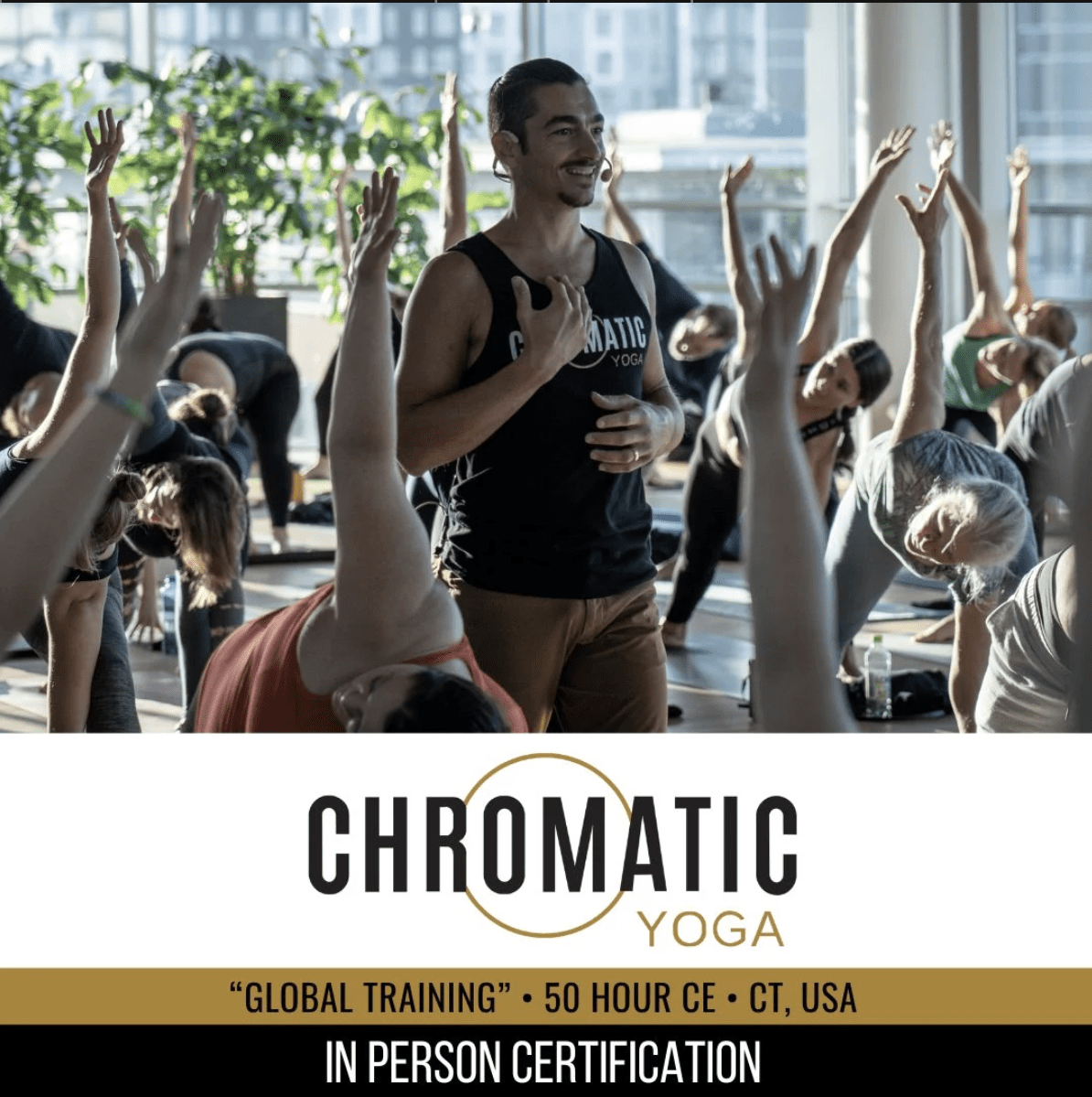
CHROMATIC 50Hr. CERTIFICATION

GLOBAL 50Hr. TRAINING

  • 50hr Certification Program
  • For Yoga Teachers, Pilates Instructors, and Fitness Trainers
  • Anatomical Sequencing
  • Masterful Verbal Cues
  • Effective Visual Demonstration
  • Teach Bio-mechanics Without Breaking the Flow
  • Join the Global Community of Chromatic Teachers
  • American Yoga Council & Yoga Alliance Continued Ed

HANDSTAND CHAIR DRILLS

In the handstand chair drills, Matt gives us a way to experience inversion without the pressure of full balance. One foot stays grounded on the chair while the other knee draws into the chest. From here, we explore shifting weight into the hands while maintaining awareness through the standing foot. The fingers actively grip the ground, creating a new relationship with stability. As we alternate legs or extend into an L shape, we ask simple questions. Can we breathe? Can we think clearly? Can we feel where the weight is? The grounded foot reminds us of our connection to the earth, while the hands begin to take on that same role. Weightless inversions start to make sense when we trust both points of contact and remain present within the transitions.

WATCH THE VIDEO

WEIGHTLESS INVERSIONS: CLEAR STRATEGIES FOR HEADSTAND & HANDSTAND

HEADSTAND WORK WITH BLOCK SUPPORT

Headstand work with block support introduces a different relationship to inversion. With the hands pressing into the ground and the head resting lightly between the blocks, we remove the weight from the neck. Matt emphasizes that the shoulders carry the work, allowing the head to remain relaxed and free. From this position, we can explore bringing one knee or both knees into the chest without rushing upward. The experience becomes less about getting vertical and more about understanding where support is coming from. The presence of the blocks gives us feedback, encouraging us to stay lifted through the shoulders rather than collapsing downward. In weightless inversions, this kind of support allows us to feel stability without strain, creating space for both strength and ease.
200 Hour Online Teacher Training Certification

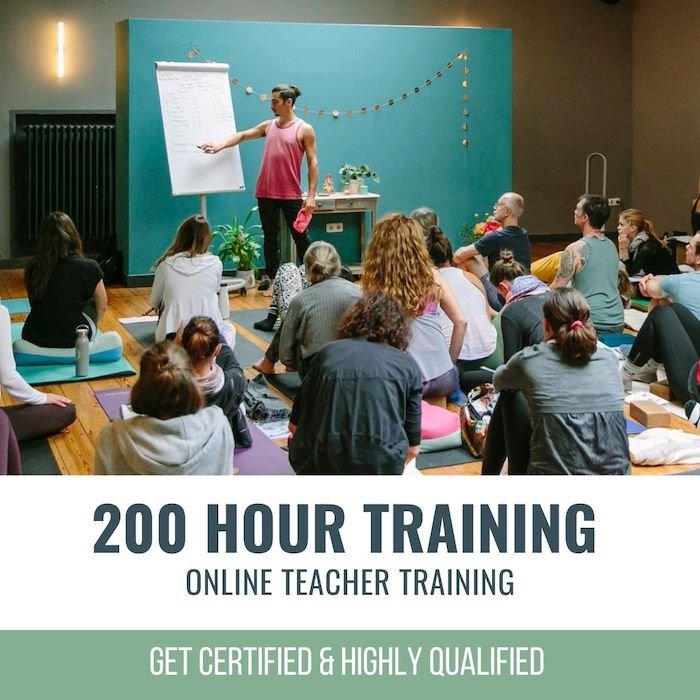
200 HOUR ONLINE TEACHER TRAINING

GET CERTIFIED & DEEPEN YOUR YOGA PRACTICE

  • Deepen your yoga practice
  • Build confidence speaking in front of groups in person and online
  • Learn foundational class structures and templates
  • Learn techniques for a wide range of yoga postures
  • Get certified and highly qualified to teach yoga
  • Yoga Alliance Globally Recognized Certification Program

HEADSTAND PREPARATION

In headstand preparation, Matt shifts the focus toward active engagement through the neck and shoulders. With the head off the ground, we walk the feet in and press the head back into the thumbs. This activates the muscles along the back of the neck and creates a subtle connection to the throat chakra.  As we continue to walk in, the weight shifts more into the arms, preparing us for lift without forcing it. Bringing one knee into the chest, then switching sides, we begin to understand how balance develops gradually. The intention is not to collapse into the head, but to remain supported through the upper body. Weightless inversions are built here, through steady progression and attention to detail.
300 hour teacher training online

300 HOUR ONLINE TEACHER TRAINING

GET 500 HOUR CERTIFIED AS A MASTER TEACHER

Master your skill set as a teacher through refined techniques, anatomy, biomechanics, sequencing, philosophy, meditation techniques, theming, yoga business, and much more!

  • Get 500 hour certified
  • Learn anatomy, biomechanics, asana techniques
  • Expand your teaching skills
  • Masterful sequencing and verbal delivery
  • Learn meditation and breathwork techniques
  • Transformative tools: theming, dharma talks, satsang

CLARITY OF MIND

Clarity of mind develops alongside physical awareness. Matt reminds us that the crown chakra is not about silencing thoughts completely, but about strengthening our ability to remain steady while thoughts continue to arise. In these inversion practices, we return again and again to presence. Feeling the fingers grip, the shoulders engage, and the breath moving through the body becomes the anchor. Each repetition offers insight into where we are holding tension or losing connection. Over time, this awareness creates a sense of calm within the posture. Weightless inversions are not achieved through force, but through refinement. When the body organizes with intention and the mind remains steady, a quiet sense of balance begins to emerge.

Matt’s upcoming 50Hr. Chromatic Certification is an opportunity to elevate your practice and journey as a Yoga Teacher.  Register today to reserve your spot.

The 200 Hr. Teacher Training: Click Here to See the Next Start Date

The 300 Hr. Advanced Teacher Training: Click Here to See the Next Start Date

Article by Trish Curling

Video Extracted From: Chakra Vinyasa Immersion
lotus pose online yoga classes

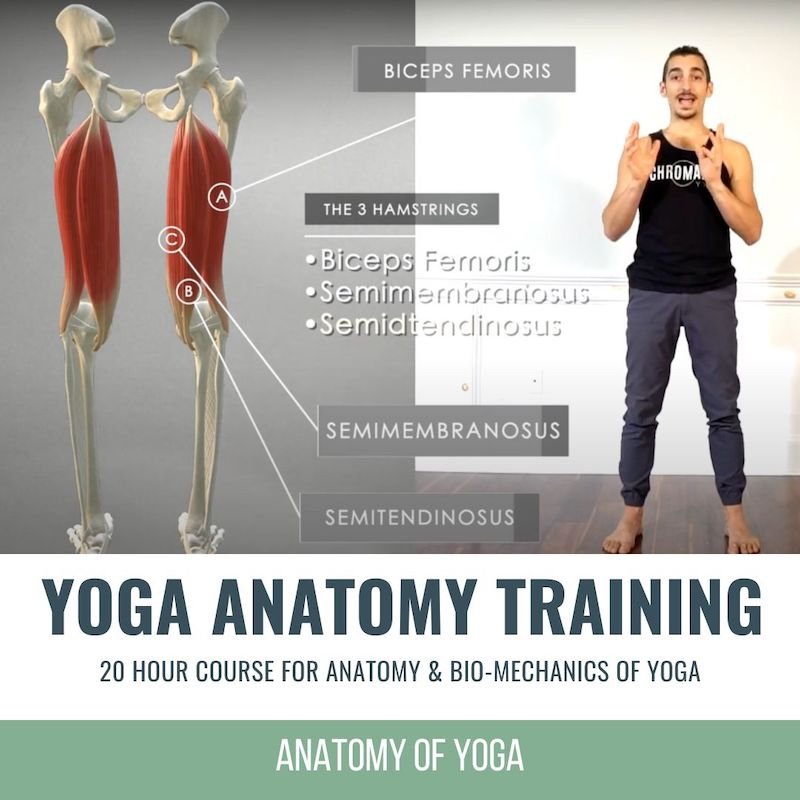
ONLINE ANATOMY COURSE

  • Accessible, exciting, and easy to learn
  • Anatomy and biomechanics for yoga
  • Appropriate for both teachers and students
  • Learn joint alignment vs pose alignment
  • Demystify yoga poses and transitions
  • Release aches and pains
  • Learn how to avoid common injuries
  • Caters to all levels with modifications and props
  • 20 hours Continued Education Credits with Yoga Alliance
  • 20 hours toward Chromatic Yoga Certification and 300 Hour
  • Lifetime access

Continue Learning

Build Better Joint Support

Build Better Joint Support

Build Better Joint Supportankle & kneeBUILD BETTER JOINT SUPPORT Sometimes we focus so heavily on flexibility that we forget our joints also need intelligent strength surrounding them. Matt reminds us that stability is not rigidity. It is the body’s ability to...

read more
Hamstring Strength Options

Hamstring Strength Options

Hamstring Strength Optionship extensorsHAMSTRING STRENGTH OPTIONS When we think about hamstrings in yoga, most of us immediately think about stretching. Matt reminds us that this powerful muscle group is rarely celebrated for what it is also designed to do: create...
read more
Weightless Inversions

Weightless Inversions

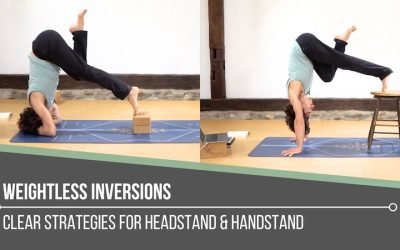
Weightless InversionssirsasanaWEIGHTLESS INVERSIONS Weightless inversions are not about removing effort. They are about redistributing it with awareness. Matt reminds us that when we refine how we place weight through the hands, shoulders, and core, the body begins to...
read more
Opening The Heart Chakra

Opening The Heart Chakra

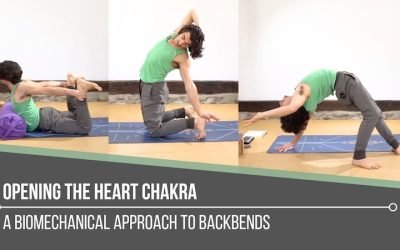
Opening The Heart ChakrabackbendOPENING THE HEART CHAKRA Opening the heart chakra is not simply about reaching deeper into a backbend. Matt reminds us that this space is rooted in love, balance, and connection, both with ourselves and with others. It reflects how we...
read more
5 Visual Demonstration Techniques for Yoga Teachers

5 Visual Demonstration Techniques for Yoga Teachers

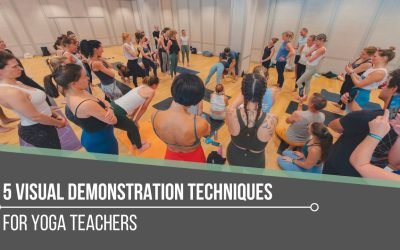
5 Visual Demonstration Techniques for Yoga TeachersYoga TeachersVisual Demonstration This is often confused with “teaching from the mat.” Teaching at the front of the room can be useful at the right time and place, but that is not what we are referring to here. In...
read more
Awakening Solar Plexus Strength

Awakening Solar Plexus Strength

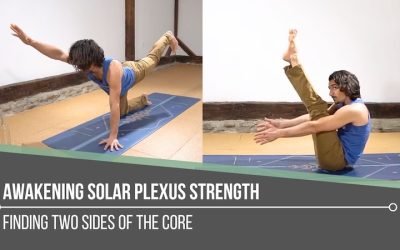
Awakening Solar Plexus Strengththird chakraAWAKENING SOLAR PLEXUS STRENGTH Awakening solar plexus strength invites us into the centre of transformation. Matt reminds us that this third chakra, Manipura, is our fire, our willpower, and our ability to take action. It...

read more

THE FREE TECHNIQUE PACK

When You Subscribe, You Will Get Instant Access to

  • the Technique Pack: 15 yoga pose breakdowns
  • exclusive online course discounts
  • exclusive blogs and videos
  • This field is for validation purposes and should be left unchanged.

Stable Sirsasana

Stable Sirsasana

HEADSTAND

STABLE SIRSASANA

Creating a stable Sirsasana is less about the final pose and more about the mechanics that lead us there. From weight transfer and spinal alignment to hamstring flexibility and shoulder engagement, each layer matters. Unlike handstand, headstand alignment is technically simpler because it doesn’t require as much shoulder mobility, yet it carries the added responsibility of neck stability. While some of us may benefit from straightening the natural curve of the neck, others may find this causes compression. The goal isn’t perfection—it’s a safe, exploratory approach. Matt teaches that aligning the ears with the shoulders while pressing the head slightly back is a good place to explore the set up of a stable vertical line. But if this causes discomfort, shifting the gaze forward and preserving the curve may be more appropriate.  For those of us with neck sensitivity, forearm stand becomes a solid alternative. Whatever our path, Sirsasana begins with a strong, secure structure.

chromatic yoga 15 hour immersion

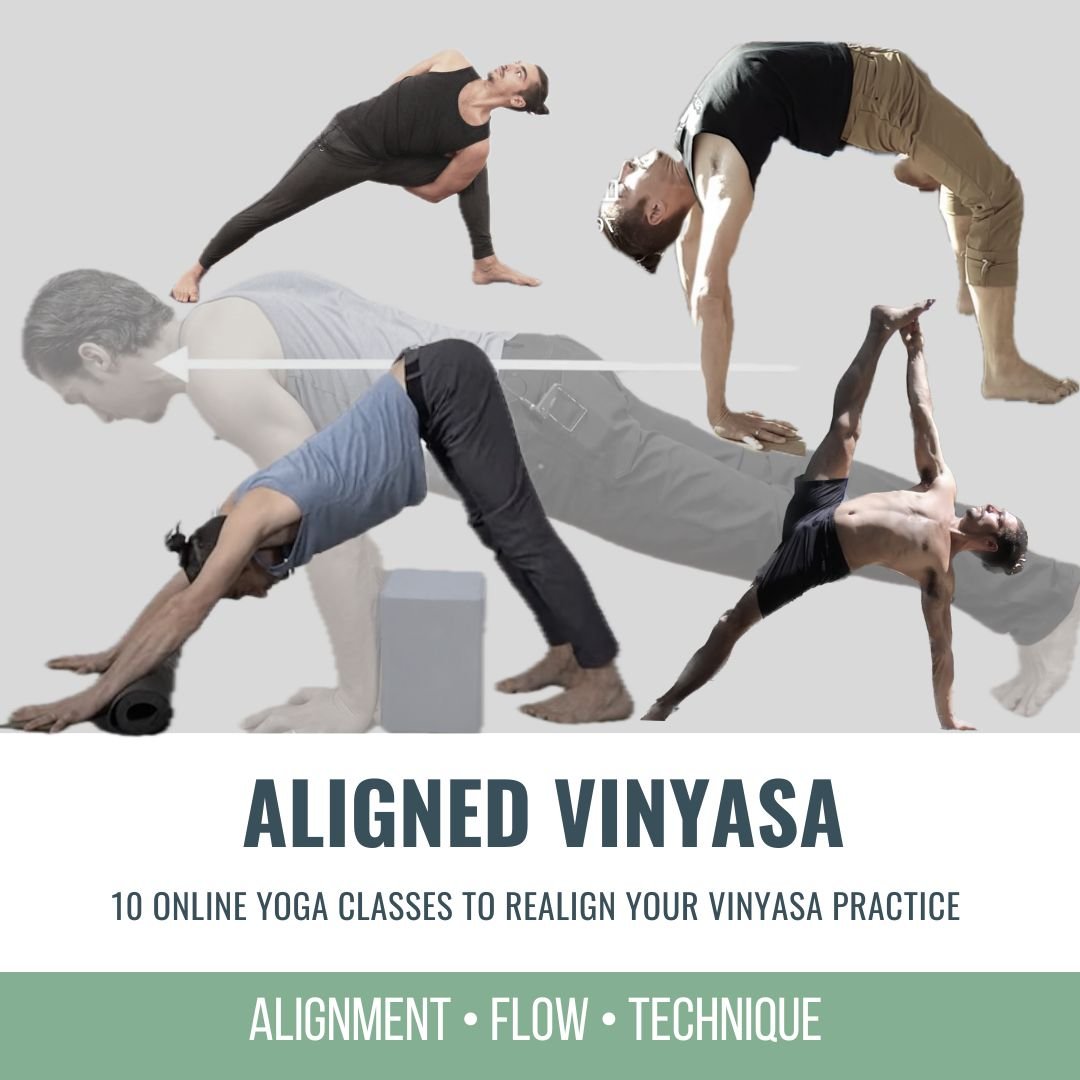
ALIGNED VINYASA

REGISTRATION NOW OPEN

  • 10 Chromatic Yoga practices with founder Matt Giordano
  • Full length 75 minute classes
  • 10 Peak Postures: The Most Essential Poses of the Vinyasa Practice
  • Meticulously Crafted Experiences to Enhance Your Postural Practice
  • Non-dogmatic, Anatomy informed Alignment
  • The Perfect Blend of Knowledge and Practice
  • A Heavy Emphasis on Technique for the Poses Everyone Expects You to Know but No One Teaches
  • 12 Continuing Education hours with Yoga Alliance
  • 12 Accredited Hours with the Chromatic School of Yoga
  • Step-by-Step instruction for increased accessibility
  • Sweat, Breath, Strengthen, Stretch and Feel Amazing!

START WITH THIS PUSH DRILL

Before even lifting the legs, we begin with a foundational strength drill in Dolphin pose. Matt walks us through a push-pull sequence: shoulders move over the elbows, head gently touches toward the ground, then we push the floor away to lift the head. This controlled action activates the serratus anterior, helping to stabilize the shoulder girdle without overgripping. To prevent serratus dominance, we also engage the rhomboids, drawing the shoulder blades slightly together to balance the muscular effort. This combination of opposition is what helps build a stable Sirsasana from the base up. If mobility or flexibility are limiting factors, Matt suggests placing the feet on yoga blocks to reduce the range of motion and enhance proprioception. This drill gives us not only the strength we need, but the motor control and joint awareness that headstand demands.

WATCH THE VIDEO

STABLE SIRSASANA: EXPLORE THE MECHANICS THAT MAKE IT WORK

GET INTO HALF TUCK POSITION

From a grounded base, we now work toward the half tuck, an essential milestone in building up to a stable Sirsasana. With thumbs pointed up and behind the head, we create a physical reference for subtle head movement. As the head presses back, the thumbs guide proprioception and create alignment through the cervical spine. One knee hugs in toward the chest to eliminate hamstring tension, allowing the body to shift upward with more ease. A block under the grounded foot offers additional lift, making this transition more accessible. This phase is all about exploring how the weight shifts into our upper body while safely managing load through the head and shoulders. If the grounded leg gets light, it’s a cue that we may be ready for full tuck. Still, Matt reminds us: safety first. Back toward a wall or placing bolsters down to soften a potential fall.  Above all, know that choosing not to progress is just as skillful as choosing to move on.

200 Hour Online Teacher Training Certification

200 HOUR ONLINE TEACHER TRAINING

GET CERTIFIED & DEEPEN YOUR YOGA PRACTICE

  • Deepen your yoga practice
  • Build confidence speaking in front of groups in person and online
  • Learn foundational class structures and templates
  • Learn techniques for a wide range of yoga postures
  • Get certified and highly qualified to teach yoga
  • Yoga Alliance Globally Recognized Certification Program

SQUEEZE IN TO GO UP

No matter how we enter Sirsasana (one leg at a time or both together), the concept of squeezing in creates internal support. If both legs rise simultaneously, we press the legs firmly into each other. If one leg leads, we squeeze the inner thighs as if they were already touching. This isometric contraction does more than bring the legs together—it helps stabilize the pelvic center and reduces unnecessary sway in the lower back. These subtle engagements prevent us from “leaking” energy and instead keep the body centered and collected. The transition into full inversion becomes a slow, controlled climb rather than a leap. This method doesn’t just get us into the pose, it trains the body to remain steady once there. Instead of rushing to the final shape, this slow build is where we gain true control, and ultimately, a much more stable Sirsasana.

300 hour teacher training online

300 HOUR ONLINE TEACHER TRAINING

GET 500 HOUR CERTIFIED AS A MASTER TEACHER

Master your skill set as a teacher through refined techniques, anatomy, biomechanics, sequencing, philosophy, meditation techniques, theming, yoga business, and much more!

  • Get 500 hour certified
  • Learn anatomy, biomechanics, asana techniques
  • Expand your teaching skills
  • Masterful sequencing and verbal delivery
  • Learn meditation and breathwork techniques
  • Transformative tools: theming, dharma talks, satsang

FROM THE BOTTOM TO THE TOP

The temptation to kick or jump into headstand is common, but Matt encourages us to resist that urge. Why? Because every skipped step delays the strength and awareness needed to support the whole. Instead, we bring it all together: the push from the Dolphin-like position, the positioning of the neck, the isometric inner thigh engagement, and the head-to-hand relationship we’ve trained. With blocks removed, we rely on hip flexor strength and hamstring mobility to pull the legs in close. Slowly, they lift into the tuck, then into vertical, and finally into stillness. There’s magic in that moment: lightness rising from stability. Stable Sirsasana isn’t a show of force, it’s the result of thoughtful sequencing, patience, and care. When the foundation is sound, the structure above feels effortless. And when we train our body to rise with awareness, the pose becomes more than just a balance, it becomes the culmination of our highest potential.

You can continue to build strength and stability from the ground up in Matt’s Aligned Vinyasa Immersion.

The 200 Hr. Teacher Training: Click Here to See the Next Start Date

The 300 Hr. Advanced Teacher Training: Click Here to See the Next Start Date

Article by Trish Curling

Video Extracted From: Aligned Vinyasa Immersion

lotus pose online yoga classes

ONLINE ANATOMY COURSE

  • Accessible, exciting, and easy to learn
  • Anatomy and biomechanics for yoga
  • Appropriate for both teachers and students
  • Learn joint alignment vs pose alignment
  • Demystify yoga poses and transitions
  • Release aches and pains
  • Learn how to avoid common injuries
  • Caters to all levels with modifications and props
  • 20 hours Continued Education Credits with Yoga Alliance
  • 20 hours toward Chromatic Yoga Certification and 300 Hour
  • Lifetime access

Continue Learning

Build Better Joint Support

Build Better Joint Support

Build Better Joint Supportankle & kneeBUILD BETTER JOINT SUPPORT Sometimes we focus so heavily on flexibility that we forget our joints also need intelligent strength surrounding them. Matt reminds us that stability is not rigidity. It is the body’s ability to...

read more
Hamstring Strength Options

Hamstring Strength Options

Hamstring Strength Optionship extensorsHAMSTRING STRENGTH OPTIONS When we think about hamstrings in yoga, most of us immediately think about stretching. Matt reminds us that this powerful muscle group is rarely celebrated for what it is also designed to do: create...

read more
Weightless Inversions

Weightless Inversions

Weightless InversionssirsasanaWEIGHTLESS INVERSIONS Weightless inversions are not about removing effort. They are about redistributing it with awareness. Matt reminds us that when we refine how we place weight through the hands, shoulders, and core, the body begins to...

read more
Opening The Heart Chakra

Opening The Heart Chakra

Opening The Heart ChakrabackbendOPENING THE HEART CHAKRA Opening the heart chakra is not simply about reaching deeper into a backbend. Matt reminds us that this space is rooted in love, balance, and connection, both with ourselves and with others. It reflects how we...

read more
5 Visual Demonstration Techniques for Yoga Teachers

5 Visual Demonstration Techniques for Yoga Teachers

5 Visual Demonstration Techniques for Yoga TeachersYoga TeachersVisual Demonstration This is often confused with “teaching from the mat.” Teaching at the front of the room can be useful at the right time and place, but that is not what we are referring to here. In...

read more
Awakening Solar Plexus Strength

Awakening Solar Plexus Strength

Awakening Solar Plexus Strengththird chakraAWAKENING SOLAR PLEXUS STRENGTH Awakening solar plexus strength invites us into the centre of transformation. Matt reminds us that this third chakra, Manipura, is our fire, our willpower, and our ability to take action. It...

read more

THE FREE TECHNIQUE PACK

When You Subscribe, You Will Get Instant Access to

  • the Technique Pack: 15 yoga pose breakdowns
  • exclusive online course discounts
  • exclusive blogs and videos
  • This field is for validation purposes and should be left unchanged.

Headstand and Side Crow Transitions

Headstand and Side Crow Transitions

PARSVA BAKASANA

HEADSTAND AND SIDE CROW TRANSITIONS

Mastery begins with mechanics, especially when it comes to headstand and side crow transitions. Each posture on its own demands control, coordination, and a deep understanding of alignment. But the real challenge lies in the transition—merging two complex shapes into a fluid expression of strength and balance. In today’s video, Matt offers insights into what might be missing from your practice if the connection between these two poses feels out of reach. By identifying specific techniques, body awareness drills, and intelligent setup patterns, he helps us bridge the gap between static balance and transitional movement. As we explore this dynamic sequence, we learn that strength alone isn’t enough—precision, patience, and intentional alignment are what allow us to move confidently between headstand and side crow. When approached thoughtfully, this transition becomes more than just a trick—it becomes a refined movement rooted in integration and control.

chromatic yoga 15 hour immersion

ALIGNED VINYASA

REGISTRATION NOW OPEN

  • 10 Chromatic Yoga practices with founder Matt Giordano
  • Full length 75 minute classes
  • 10 Peak Postures: The Most Essential Poses of the Vinyasa Practice
  • Meticulously Crafted Experiences to Enhance Your Postural Practice
  • Non-dogmatic, Anatomy informed Alignment
  • The Perfect Blend of Knowledge and Practice
  • A Heavy Emphasis on Technique for the Poses Everyone Expects You to Know but No One Teaches
  • 12 Continuing Education hours with Yoga Alliance
  • 12 Accredited Hours with the Chromatic School of Yoga
  • Step-by-Step instruction for increased accessibility
  • Sweat, Breath, Strengthen, Stretch and Feel Amazing!

INITIAL SET UP

One of the biggest revelations in Matt’s approach to headstand and side crow transitions is a hand placement that may feel completely unfamiliar. In this setup, the hands are placed nearly double shoulder-width apart, creating a unique starting point. Using a bolster as support, Matt demonstrates how to safely activate the necessary muscles while preparing mentally and mechanically for the inversion. This wide-hand position shifts the classic load: instead of resting the hips on a single upper arm, the knees are placed on the outside of one elbow. From here, we lean toward the bolster, training the body to trust the process. Matt emphasizes the importance of engaging the upper-side obliques to lift the hip, cultivating the strength and awareness needed for both sides of the transition. This setup not only keeps the body safe, but also primes it for smooth, confident movement between headstand and side crow.

WATCH THE VIDEO

HEADSTAND AND SIDE CROW TRANSITIONS: REFINE YOUR FLIGHT MECHANICS

ADD THE LEGS

In the next phase of the practice, Matt layers in leg extension within Side Crow, which becomes a game-changer for the transition. Straightening the legs isn’t just about making the pose look more advanced—it directly influences the upper body mechanics, particularly in the shoulders and spine. As the legs extend, the opposite shoulder blade retracts, helping to create a stronger, more stable shelf. This retraction supports deeper spinal rotation, increasing both balance and structural integrity in the pose. Through this seemingly simple action, Matt reveals how each movement is interdependent. The legs inform the shoulders, the shoulders inform the twist, and the twist enhances the transition. As the pieces come together, so does the possibility of moving between headstand and side crow with more ease and grace. It’s a reminder that what happens in one part of the body has a ripple effect across the entire structure.

200 Hour Online Teacher Training Certification

200 HOUR ONLINE TEACHER TRAINING

GET CERTIFIED & DEEPEN YOUR YOGA PRACTICE

  • Deepen your yoga practice
  • Build confidence speaking in front of groups in person and online
  • Learn foundational class structures and templates
  • Learn techniques for a wide range of yoga postures
  • Get certified and highly qualified to teach yoga
  • Yoga Alliance Globally Recognized Certification Program

TRIPOD HEADSTAND SIDE CROW VARIATION

In this variation, we begin from a Tripod Headstand—but with a Side Crow mindset. The head touches the floor, yet the arms and knees are positioned as they would be in a wide-armed Side Crow. This hybrid entry challenges us to harness core strength and stability to lift the head off the ground while maintaining balance in the twisted arm balance. It’s a humbling test of strength and control. But perhaps the most overlooked part of the movement is the exit. Since we begin with the head down, it’s tempting to return there. Matt, however, cautions against it, recommending a return to the feet for safety and control. It’s a subtle lesson in transition: just because we started in one place doesn’t mean we need to go back to it. Growth often means choosing the smarter, safer path—even if it’s not the most obvious.

300 hour teacher training online

300 HOUR ONLINE TEACHER TRAINING

GET 500 HOUR CERTIFIED AS A MASTER TEACHER

Master your skill set as a teacher through refined techniques, anatomy, biomechanics, sequencing, philosophy, meditation techniques, theming, yoga business, and much more!

  • Get 500 hour certified
  • Learn anatomy, biomechanics, asana techniques
  • Expand your teaching skills
  • Masterful sequencing and verbal delivery
  • Learn meditation and breathwork techniques
  • Transformative tools: theming, dharma talks, satsang

FROM FOUNDATION TO FLIGHT

True transformation in headstand and side crow comes not just from strength, but from trusting the foundation and letting it support the leap. In the final demonstration, Matt transitions from a fully extended Tripod Headstand into a compact ball, rotating with control into Side Crow. It’s a beautiful display of what’s possible when the groundwork has been carefully laid. Psychologically, this mirrors the inner journey: we build stability through repetition, then step into challenge with confidence. We don’t just flip upside down—we shift our perspective. The ability to go from stillness to dynamic movement, from grounded to airborne, requires more than muscle—it asks for mindfulness, surrender, and an openness to the unknown. Foundations give us a place to begin. Flight gives us the freedom to grow. And the space in between? That’s where we learn the most about who we are.

Join Matt in this journey to new heights in his May online immersion Aligned Vinyasa.

The 200 Hr. Teacher Training: Click Here to See the Next Start Date

The 300 Hr. Advanced Teacher Training: Click Here to See the Next Start Date

Article by Trish Curling

Video Extracted From: Flow & Fly Immersion

lotus pose online yoga classes

ONLINE ANATOMY COURSE

  • Accessible, exciting, and easy to learn
  • Anatomy and biomechanics for yoga
  • Appropriate for both teachers and students
  • Learn joint alignment vs pose alignment
  • Demystify yoga poses and transitions
  • Release aches and pains
  • Learn how to avoid common injuries
  • Caters to all levels with modifications and props
  • 20 hours Continued Education Credits with Yoga Alliance
  • 20 hours toward Chromatic Yoga Certification and 300 Hour
  • Lifetime access

Continue Learning

Build Better Joint Support

Build Better Joint Support

Build Better Joint Supportankle & kneeBUILD BETTER JOINT SUPPORT Sometimes we focus so heavily on flexibility that we forget our joints also need intelligent strength surrounding them. Matt reminds us that stability is not rigidity. It is the body’s ability to...

read more
Hamstring Strength Options

Hamstring Strength Options

Hamstring Strength Optionship extensorsHAMSTRING STRENGTH OPTIONS When we think about hamstrings in yoga, most of us immediately think about stretching. Matt reminds us that this powerful muscle group is rarely celebrated for what it is also designed to do: create...

read more
Weightless Inversions

Weightless Inversions

Weightless InversionssirsasanaWEIGHTLESS INVERSIONS Weightless inversions are not about removing effort. They are about redistributing it with awareness. Matt reminds us that when we refine how we place weight through the hands, shoulders, and core, the body begins to...

read more
Opening The Heart Chakra

Opening The Heart Chakra

Opening The Heart ChakrabackbendOPENING THE HEART CHAKRA Opening the heart chakra is not simply about reaching deeper into a backbend. Matt reminds us that this space is rooted in love, balance, and connection, both with ourselves and with others. It reflects how we...

read more
5 Visual Demonstration Techniques for Yoga Teachers

5 Visual Demonstration Techniques for Yoga Teachers

5 Visual Demonstration Techniques for Yoga TeachersYoga TeachersVisual Demonstration This is often confused with “teaching from the mat.” Teaching at the front of the room can be useful at the right time and place, but that is not what we are referring to here. In...

read more
Awakening Solar Plexus Strength

Awakening Solar Plexus Strength

Awakening Solar Plexus Strengththird chakraAWAKENING SOLAR PLEXUS STRENGTH Awakening solar plexus strength invites us into the centre of transformation. Matt reminds us that this third chakra, Manipura, is our fire, our willpower, and our ability to take action. It...

read more

THE FREE TECHNIQUE PACK

When You Subscribe, You Will Get Instant Access to

  • the Technique Pack: 15 yoga pose breakdowns
  • exclusive online course discounts
  • exclusive blogs and videos
  • This field is for validation purposes and should be left unchanged.

Neck Alignment

Neck Alignment

Techniques to Find More Ease in Headstand

sirsasana

NECK ALIGNMENT FOR INVERSIONS

Yoga postures typically start “from the feet up.” The same is true when it comes to inversions—it’s just flipped upside down. The positioning of the head and neck sets the foundation, so finding balance can be quite challenging.  

Inversions can be scary stuff, and there’s plenty of legitimate fear to go around. With inversions, the neck becomes “the feet” of the posture, and neck alignment will directly inform your experience. Proper alignment, along with the technique of “pressing your head back,” will strengthen your neck muscles and provide you with the stability required for this posture. In today’s video, Matt breaks down how this technique will provide you with confidence and help you overcome your fears in Headstand.

online classes for anatomy of arm balances

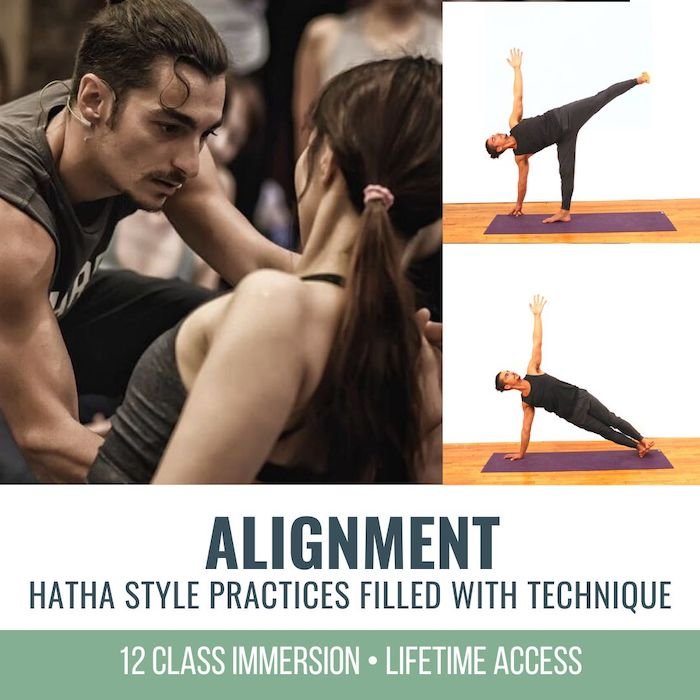
ALIGNMENT

JUNE 2023 Immersion

  • 12 Hatha-style practices
  • Transformative and informative experience
  • Alignment and techniques for the most common asana postures
  • Step-by-step, easy-to-follow instruction
  • Improve strength, balance, flexibility, and proprioception
  • Accessible and empowering modifications
  • Appropriate variations a modifications for all levels

$168.00 $138.00

MORE INFORMATION

PRESS YOUR HEAD BACK

The fear of going upside down and placing weight on your neck can be enough to put you off of the posture all together, but the technique of pressing your head back can restore your faith in your ability to execute Headstand with assurance. One of the best ways to practice this technique is upright. Before you consider the strength, consider the neck alignment. Pulling your skull up and back will bring your head more in line with your spinal column and pelvis. Matt explains that this will place your cervical spine into a more concave shape, rather than the common convex shape that occurs due to a frequently forward carriage of the head. At the beginning of the video, you’ll see that the next step is to press your head into your thumbs. These steps are important to explore before you place any weight on your head in inversions.  

WATCH THE VIDEO

NECK ALIGNMENT: TECHNIQUES TO FIND MORE EASE IN HEADSTAND

HEADSTAND PREPARATION

Once you feel more comfortable with the neck alignment cues, moving on to the next step in Headstand preparation means exploring those cues in Dolphin Pose. What also needs to be discussed here are the options you have in terms of the amount of weight you opt to place on your head.  

At the initial stages of the setup, creating protraction and elevation in the shoulders will help you find more length in the back of your neck and also assist in keeping your head off of the ground. This will make the shift towards taking the back of your head away from your elbows and closer to your hands much easier. The key step, however, is the plantar flexion of your feet in order to make this shift. Next, pressing your head into your hands (more specifically your thumbs) will assist in strengthening your neck muscles.

200 Hour Online Teacher Training Certification

200 HOUR ONLINE TEACHER TRAINING

GET CERTIFIED & DEEPEN YOUR YOGA PRACTICE

  • Deepen your yoga practice
  • Build confidence speaking in front of groups in person and online
  • Learn foundational class structures and templates
  • Learn techniques for a wide range of yoga postures
  • Get certified and highly qualified to teach yoga
  • Yoga Alliance Globally Recognized Certification Program

HEADSTAND WITH BLOCKS

You now know that pointing your toes will assist in stacking the pelvis over the shoulders, but hamstring flexibility is also required. Gaining the appropriate amount of hamstring flexibility will not happen overnight. This is where elevating your feet on blocks is extremely helpful. Using blocks creates a shorter distance for you to create the stacking you need in order to lift your legs. If you’re not ready to take flight in this way, then practice the stacking by moving back and forth between plantar flexion and dorsiflexion at the ankle joint. This will help you gain a deeper understanding of where your body needs to be in space.  

300 hour teacher training online

300 HOUR ONLINE TEACHER TRAINING

GET 500 HOUR CERTIFIED AS A MASTER TEACHER

Master your skill set as a teacher through refined techniques, anatomy, biomechanics, sequencing, philosophy, meditation techniques, theming, yoga business, and much more!

  • Get 500 hour certified
  • Learn anatomy, biomechanics, asana techniques
  • Expand your teaching skills
  • Masterful sequencing and verbal delivery
  • Learn meditation and breathwork techniques
  • Transformative tools: theming, dharma talks, satsang

UP AGAINST THE WALL

Not knowing where your body is in space is a reason you might choose to practice up against a wall, and this is a great decision, especially when you want to send your legs up in the air.  

You may, however, feel like you are up against a figurative wall when trying to “crack the code” for Headstands. It is possible to start depending on the wall for security, which is why implementing the technique of pressing your head into your hands can completely transform your experience. Once you do that, you can feel everything else fall into place: The action encourages the bottom ribs to knit back, which can then send the pelvis over the shoulders. The beauty of using the wall is that you have time to more deeply understand the cues while it acts as your personal spotter.

Register for Matt’s Alignment Immersion to learn all of the cues that help you to safely practice Headstand.

The 200 Hr. Teacher Training: Click Here to See the Next Start Date

The 300 Hr. Advanced Teacher Training: Click Here to See the Next Start Date

Article by Trish Curling

Video Extracted From: Alignment Immersion

lotus pose online yoga classes

The Teachers' Toolkit

  • Advance your practice
  • Learn masterful teaching techniques
  • Acquire business-building skills
  • Attract the right students
  • Learn about social media, marketing, and business structure
  • Catapult your teaching and career

Continue Learning

Build Better Joint Support

Build Better Joint Support

Build Better Joint Supportankle & kneeBUILD BETTER JOINT SUPPORT Sometimes we focus so heavily on flexibility that we forget our joints also need intelligent strength surrounding them. Matt reminds us that stability is not rigidity. It is the body’s ability to...

read more
Hamstring Strength Options

Hamstring Strength Options

Hamstring Strength Optionship extensorsHAMSTRING STRENGTH OPTIONS When we think about hamstrings in yoga, most of us immediately think about stretching. Matt reminds us that this powerful muscle group is rarely celebrated for what it is also designed to do: create...

read more
Weightless Inversions

Weightless Inversions

Weightless InversionssirsasanaWEIGHTLESS INVERSIONS Weightless inversions are not about removing effort. They are about redistributing it with awareness. Matt reminds us that when we refine how we place weight through the hands, shoulders, and core, the body begins to...

read more
Opening The Heart Chakra

Opening The Heart Chakra

Opening The Heart ChakrabackbendOPENING THE HEART CHAKRA Opening the heart chakra is not simply about reaching deeper into a backbend. Matt reminds us that this space is rooted in love, balance, and connection, both with ourselves and with others. It reflects how we...

read more
5 Visual Demonstration Techniques for Yoga Teachers

5 Visual Demonstration Techniques for Yoga Teachers

5 Visual Demonstration Techniques for Yoga TeachersYoga TeachersVisual Demonstration This is often confused with “teaching from the mat.” Teaching at the front of the room can be useful at the right time and place, but that is not what we are referring to here. In...

read more
Awakening Solar Plexus Strength

Awakening Solar Plexus Strength

Awakening Solar Plexus Strengththird chakraAWAKENING SOLAR PLEXUS STRENGTH Awakening solar plexus strength invites us into the centre of transformation. Matt reminds us that this third chakra, Manipura, is our fire, our willpower, and our ability to take action. It...

read more

THE FREE TECHNIQUE PACK

When You Subscribe, You Will Get Instant Access to

  • the Technique Pack: 15 yoga pose breakdowns
  • exclusive online course discounts
  • exclusive blogs and videos
  • This field is for validation purposes and should be left unchanged.

Pin It on Pinterest