Approachable Arm Balances

Approachable Arm Balances

PARSVA BAKASANA

APPROACHABLE ARM BALANCES

Approachable arm balances aren’t about fearlessness; they’re about informed action. When we understand the mechanics behind the posture, we gain the power to shape our own outcomes. Rather than jumping into Side Crow and hoping for the best, we can approach it with intention, building strength, spinal flexion, rotation, and shoulder mechanics one layer at a time. Chromatic Yoga excels at this “bite-sized” method, breaking complex postures into digestible steps that our bodies can absorb and repeat. With consistency, drills become familiar, patterns change, and what once felt overwhelming starts to feel surprisingly reachable. Today’s explorations reveal how twisting, flexing, and stabilizing are not separate ideas but interconnected actions that make Side Crow accessible, logical, and grounded in technique.
chromatic yoga 15 hour immersion

FLYING HIP OPENERS

ASANA INFUSED WITH STEP BY STEP TECHNIQUES FOR ARM BALANCES

  • 10 Chromatic Yoga practices with founder Matt Giordano
  • Physically Invigorating
  • Foundations, Refinement and Advancement
  • Meticulously Crafted Experiences to Set you up for Maximum Success
  • Included Postures: Crow, Side Crow, Firefly, Dragon Fly, Revolved Flying Half Lotus, Koundenyasana 1 & 2, Hybrid Arm Balances, Straddle Handstand and More
  • 12+ Arm Balances with Modifications and Variations!
  • Hip Opening Techniques, Core Strength, Wrist Strength and Mobility
  • All Levels Appropriate Full length 75 minute Classes
  • Non-dogmatic, Anatomy informed Alignment
  • The Perfect Blend of Knowledge and Practice
  • A Heavy Emphasis on Technique for the Poses Everyone Expects You to Know but Non One Teaches
  • 12 Continuing Education hours with Yoga Alliance and American Yoga Council
  • 12 Accredited Practice Hours with the Chromatic School of Yoga
  • Step-by-Step instruction for increased accessibility
  • Sweat, Breath, Strengthen, Stretch and Feel Amazing!

DESIGN THE DESTINATION

Balance & Twist

We begin by exploring the shape of Side Crow without the pressure of balancing. Lifting the right knee toward the chest and bending slightly in the standing leg, we flex the spine and rotate to the right. This combination of flexion and twist is the “destination” of Side Crow, recreated upright. Extending the right leg increases the demand on the hip flexors and psoas, while maintaining the spinal shape teaches us where power originates. Matt encourages us to stay compact and controlled, allowing the shoulder blades, ribs, and core to echo the mechanics required later on the hands. These small shifts help us understand what the pose expects from the spine, not just the arms.

Set Up The Mechanics

Next, we transition into plank with a tiny bend in the elbows, small but essential for arm balance strength. Walking to the left without dropping the pelvis lights up the obliques and teaches us how to hold tension during rotation. Matt reminds us: if the hips sag, the twist is lost. When we tap the outer elbow, we feel Side Crow’s structure without lifting off the floor. Returning to center with control reinforces the strength of the shape. These deliberate steps refine how we prepare, so approachable arm balances begin to feel coordinated rather than chaotic.

WATCH THE VIDEO

APPROACHABLE ARM BALANCES: KEY PREPARATIONS FOR SIDE CROW

SIDE CROW ON YOUR BACK

On our backs, with a block between the shins, the focus shifts to core activation and rotational control. By lifting the right pelvis off the floor and reaching forward into a sit-up, we train the flexed, rounded shape that Side Crow requires. This drill spotlights the obliques and deep core muscles, without wrist pressure or fear of falling. Keeping the block squeezed awakens the midline and teaches the body to stay compact. Matt emphasizes reaching the elbow past the knee to mimic the posture’s final geometry. Practicing Side Crow on the back gives us a clear sense of where power is generated, making the full pose far more approachable when weight is added later.
200 Hour Online Teacher Training Certification

200 HOUR ONLINE TEACHER TRAINING

GET CERTIFIED & DEEPEN YOUR YOGA PRACTICE

  • Deepen your yoga practice
  • Build confidence speaking in front of groups in person and online
  • Learn foundational class structures and templates
  • Learn techniques for a wide range of yoga postures
  • Get certified and highly qualified to teach yoga
  • Yoga Alliance Globally Recognized Certification Program

SIDE CROW AT THE WALL

Taking Side Crow to the wall shifts the relationship to gravity and allows us to strengthen the push action safely. With the left tricep crossing over the thigh and the hands placed firmly on the wall, the forearms stay perpendicular, mirroring real Side Crow arm placement. Gripping the wall activates serratus anterior, and Matt points out that the left shoulder blade must protract strongly while the right may retract slightly. This refined asymmetry trains the shoulders to support the twist rather than collapse under it. Flexing the spine, gripping with the fingertips, and maintaining a lifted rib cage helps us feel what real elevation requires. Practicing at the wall builds confidence and pattern recognition, two essential pieces of making approachable arm balances truly accessible.
300 hour teacher training online

300 HOUR ONLINE TEACHER TRAINING

GET 500 HOUR CERTIFIED AS A MASTER TEACHER

Master your skill set as a teacher through refined techniques, anatomy, biomechanics, sequencing, philosophy, meditation techniques, theming, yoga business, and much more!

  • Get 500 hour certified
  • Learn anatomy, biomechanics, asana techniques
  • Expand your teaching skills
  • Masterful sequencing and verbal delivery
  • Learn meditation and breathwork techniques
  • Transformative tools: theming, dharma talks, satsang

COMPACT & ROTATE

Now we integrate everything learned. From a low squat, hands wide, and elbows pointing straight back, we connect one knee to the arm and pull inward. Flexing the spine, gripping the fingers, and lifting the hips high creates the platform Side Crow needs. Matt invites us to practice retraction and protraction to feel the differences in elevation, reminding us that hips low and head bobbing won’t serve us. Keeping the shape compact is the secret: flexed spine, knees pulling in, and shoulder blades spreading as weight shifts forward. Even lifting one foot highlights the role of obliques and midline activation. Whether the legs extend or stay bent, staying lifted and rounded is what stabilizes the pose. Approachable arm balances become reality when we combine compactness, rotation, and thoughtful technique, turning Side Crow into a posture built on clarity rather than luck.

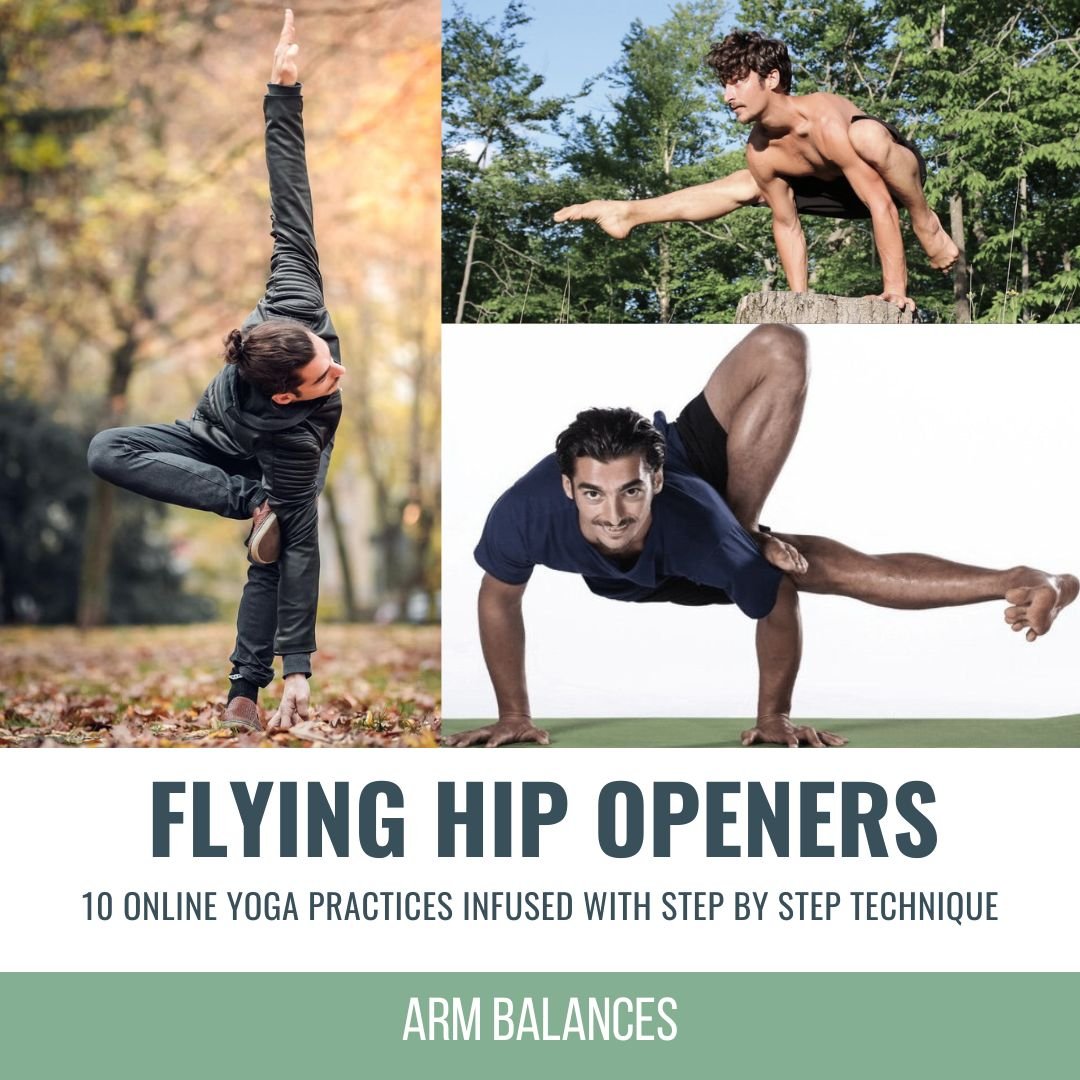
Delve deeper into arm balance preparation by registering for Matt’s upcoming online immersion Flying Hip Openers.

The 200 Hr. Teacher Training: Click Here to See the Next Start Date

The 300 Hr. Advanced Teacher Training: Click Here to See the Next Start Date

Article by Trish Curling

Video Extracted From: Bring The Heat Immersion
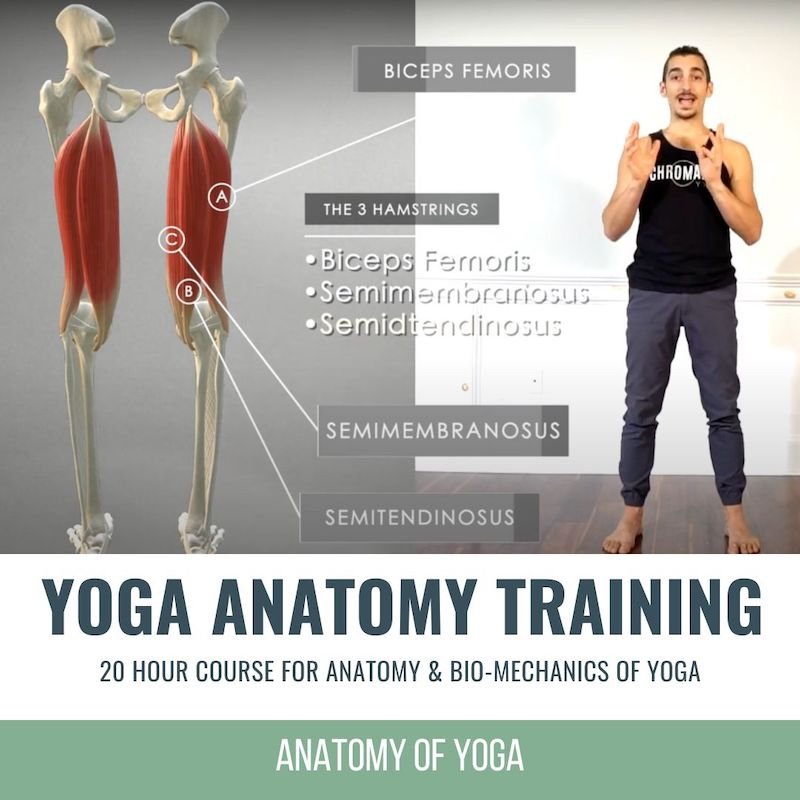
lotus pose online yoga classes

ONLINE ANATOMY COURSE

  • Accessible, exciting, and easy to learn
  • Anatomy and biomechanics for yoga
  • Appropriate for both teachers and students
  • Learn joint alignment vs pose alignment
  • Demystify yoga poses and transitions
  • Release aches and pains
  • Learn how to avoid common injuries
  • Caters to all levels with modifications and props
  • 20 hours Continued Education Credits with Yoga Alliance
  • 20 hours toward Chromatic Yoga Certification and 300 Hour
  • Lifetime access

Continue Learning

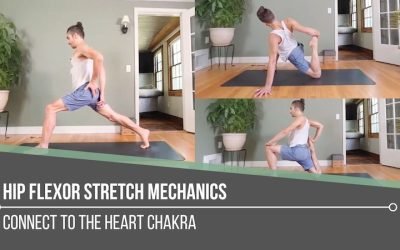
Hip Flexor Stretch Mechanics

Hip Flexor Stretch Mechanics

Hip Flexor Stretch MechanicsALIGNMENTHIP FLEXOR STRETCH MECHANICS Hip flexor stretch mechanics begins with understanding that stability and length often come from opposing actions. In the first demonstration, Matt cues the back inner thigh to lift upward, which tips...

read more
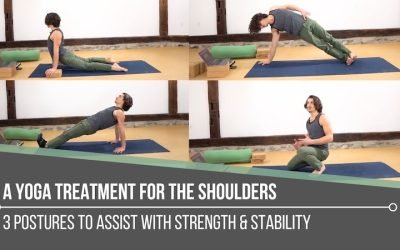
A Yoga Treatment For The Shoulders

A Yoga Treatment For The Shoulders

A Yoga Treatment For The ShouldersSTABILITYA YOGA TREATMENT FOR THE SHOULDERS Shoulders tend to speak up when stability is missing. Matt reminds us that building strength isn’t about aesthetics, it’s about support, resilience, and keeping the body working as one...
read more
Reverse Tabletop Strength

Reverse Tabletop Strength

Reverse Tabletop StrengthMECHANICSREVERSE TABLETOP STRENGTH “Solid” implies strength,  yet in yoga, we can easily lose sight of how intentionally building the back body supports everything we do. Reverse Tabletop may look simple, but it asks a lot from the posterior...
read more
Focus On Eagle Pose Legs

Focus On Eagle Pose Legs

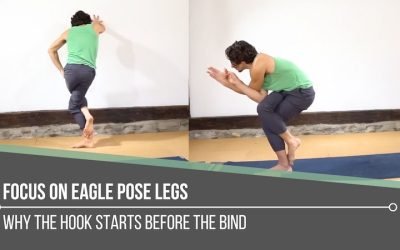
Focus On Eagle Pose LegsMECHANICSFOCUS ON EAGLE POSE LEGS When we focus on Eagle Pose legs, it’s tempting to assume the bind is a flexibility test. But this posture quietly reveals something more nuanced: timing, joint mechanics, and how efficiently the legs organize...
read more
Build Connection On The Mat

Build Connection On The Mat

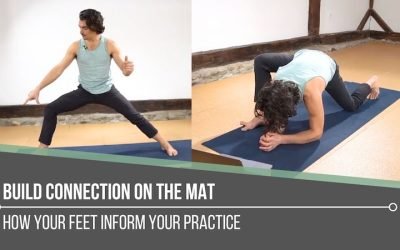
Build Connection On The MatGROUNDINGBUILD CONNECTION ON THE MAT Building connection on the mat starts at the place we tend to overlook: our feet. If we only practice the “shape” of a posture, we can miss the biomechanics that change how the whole pose feels from the...
read more
Flying Revolved Half Lotus

Flying Revolved Half Lotus

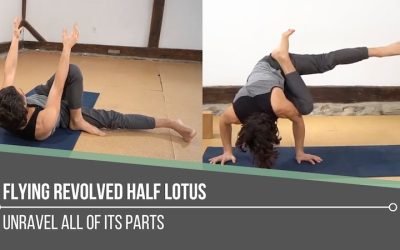
Flying Revolved Half LotusARM BALANCEFLYING REVOLVED HALF LOTUS Some postures don’t arrive through imitation; they arrive through investigation. Flying Revolved Half Lotus is one of those shapes. It borrows familiar ingredients like Side Crow mechanics, hip opening,...

read more

THE FREE TECHNIQUE PACK

When You Subscribe, You Will Get Instant Access to

  • the Technique Pack: 15 yoga pose breakdowns
  • exclusive online course discounts
  • exclusive blogs and videos
  • This field is for validation purposes and should be left unchanged.

Side Crow Strategy

Side Crow Strategy

PARSVA BAKASANA

SIDE CROW STRATEGY

When we step onto the yoga mat with a strategy, we open ourselves up to a practice that’s both intelligent and transformational. Side Crow is one of those postures that calls for a clear plan, one that breaks down the mechanics and balances effort with trust. Rather than relying on sheer strength or guesswork, Matt’S Chromatic Yoga method offers a layered approach rooted in precision. It’s not just sequencing, it’s a system that honours tapas (effort) and Ishvara Pranidhana (surrender). With Side Crow, much of that effort is directed toward activating and stabilizing the adductors.  This may not often be examined in a “typical” yoga class, but drawing our awareness here helps to keep us connected to the midline. This intentional use of muscular engagement provides both structure and support. A Side Crow strategy gives us permission to slow down and build awareness of our spine, our core, our balance, and how we distribute energy.  From that foundation, we can begin to fly.

chromatic yoga 15 hour immersion

CHROMATIC LEVEL 1 TRAINING

CHROMATIC LEVEL 1 REGISTRATION

  • 30 hours in person with Matt
  • Short Online pre-training to maximize in person time together
  • Become a Certified Chromatic Yoga Teacher
  • Revolutionize your teaching skills
  • Gain the strength of the global collective
  • All Yoga Teachers get continued ed hours with Yoga Alliance
  • Certified Chromatic Teacher’s attending this event will get continued Ed hours toward their next level within Chromatic Yoga
  • Chromatic Yoga does not adhere to dogmatic alignment principals, instead you will learn to make deliberate alignment based on intention.
  • Residential training – you will book your stay at the Hotel and Spa, close to multiple international Airports
  • Location: Our Farm in Connecticut

ONE-LEGGED CHAIR POSE

In today’s video, Matt instructs us to place a block between the upper thighs and squeeze to activate the adductors. From there, we twist to the left, placing the right tricep on the left thigh. Leaning into the left foot makes the right heel light, and we start to build a one-legged variation of Revolved Chair pose, drawing the right heel to the glutes. This “flamingo-style” chair pose (as Matt refers to it) is less about aesthetics and more about teaching the body to rotate and stabilize at once. With the block engaged and the twist deepening, we simultaneously challenge balance and coordination. It’s a strong preparation for understanding how internal pressure and spiral activation become essential later on in Side Crow. Once the shape is complete, we bring the right foot back down and head to the ground for the next layer of training.

WATCH THE VIDEO

SIDE CROW STRATEGY: SYSTEMATIC SEQUENCING FOR SUCCESS

FLIP IT UPSIDE DOWN

From our backs, the same strategic tone continues, this time placing a block between the shins, (adductors still firing). Matt cues a subtle posterior tilt of the pelvis, then shifts the knees to the left while the arms move to the right. We engage in a sit-up that resists the temptation for the knees to drift. This upright engagement through twist keeps the focus on the obliques and reinforces spinal control. With arms stretched wide, Matt invites us to continue exploring the twist, only letting the pelvis rotate as far as we can control—never beyond that. There’s no forcing. There’s no rush. He then demonstrates a “side-to-side roll”, with the block still in place, which helps us refine symmetry and continue conditioning the midsection. This phase may seem simple, but it’s crucial. We are wiring the body for rotation, stability, and centerline strength, all components we’ll call on in the Side Crow.

200 Hour Online Teacher Training Certification

200 HOUR ONLINE TEACHER TRAINING

GET CERTIFIED & DEEPEN YOUR YOGA PRACTICE

  • Deepen your yoga practice
  • Build confidence speaking in front of groups in person and online
  • Learn foundational class structures and templates
  • Learn techniques for a wide range of yoga postures
  • Get certified and highly qualified to teach yoga
  • Yoga Alliance Globally Recognized Certification Program

SIDE CROW SET UP

The moment we’ve prepared for begins to take form. Matt sets us up for Side Crow with the option to place the block between the shins (more challenging) or thighs (more accessible). Facing the side of the mat, we take our hands wide, so wide that initially, we can’t even touch the floor. This forces us to lift the hips, find height, and make space before planting the second hand. Squeezing the block, we shift into a zone of possibility. Hips high, bum lifted, knees squeezing inward.  We have the option to stay here and hover, or eventually fly. If we choose to “fly”, the lean comes next, moving our weight toward the fingertips while keeping the tailbone lifted and knees spiraling inward. Matt reminds us to “wag the tail,” a cue that activates the obliques and centers the pelvis. At every step, we are reminded to grip, lean, spiral, and squeeze.  This is our Side Crow strategy in action.

300 hour teacher training online

300 HOUR ONLINE TEACHER TRAINING

GET 500 HOUR CERTIFIED AS A MASTER TEACHER

Master your skill set as a teacher through refined techniques, anatomy, biomechanics, sequencing, philosophy, meditation techniques, theming, yoga business, and much more!

  • Get 500 hour certified
  • Learn anatomy, biomechanics, asana techniques
  • Expand your teaching skills
  • Masterful sequencing and verbal delivery
  • Learn meditation and breathwork techniques
  • Transformative tools: theming, dharma talks, satsang

INTEGRATION LEADS TO TRANSFORMATION

The beauty of this approach is that nothing is random. Each drill is intentional, each cue a puzzle piece that fits into the larger structure. From standing to seated to upside down, we build body awareness layer by layer. We don’t just attempt Side Crow, we construct it. The internal rotation, the spinal rotation, the controlled lean, all of it becomes part of us. This is what the Chromatic Yoga approach teaches: not just to perform, but to integrate. Our transformation doesn’t come from nailing the pose, it comes from respecting the path it took to get there. We practice discernment, meet resistance with strategy, and stay present in the process. As with any meaningful practice, the goal isn’t just to arrive, it’s to understand how we arrived. That’s the strategy. That’s the system. And in that, we prevail.

Take a deep dive into the Chromatic Yoga approach at Matt’s next Chromatic Level 1 In PersonTraining.  

Transform your yoga offerings to your students by registering for Matt’s 200 & 300/500 Hour Yoga Teacher Trainings.

The 200 Hr. Teacher Training: Click Here to See the Next Start Date

The 300 Hr. Advanced Teacher Training: Click Here to See the Next Start Date

Article by Trish Curling

Video Extracted From: Chromatic Yoga 15 Hour Online Immersion

lotus pose online yoga classes

ONLINE ANATOMY COURSE

  • Accessible, exciting, and easy to learn
  • Anatomy and biomechanics for yoga
  • Appropriate for both teachers and students
  • Learn joint alignment vs pose alignment
  • Demystify yoga poses and transitions
  • Release aches and pains
  • Learn how to avoid common injuries
  • Caters to all levels with modifications and props
  • 20 hours Continued Education Credits with Yoga Alliance
  • 20 hours toward Chromatic Yoga Certification and 300 Hour
  • Lifetime access

Continue Learning

Hip Flexor Stretch Mechanics

Hip Flexor Stretch Mechanics

Hip Flexor Stretch MechanicsALIGNMENTHIP FLEXOR STRETCH MECHANICS Hip flexor stretch mechanics begins with understanding that stability and length often come from opposing actions. In the first demonstration, Matt cues the back inner thigh to lift upward, which tips...

read more
A Yoga Treatment For The Shoulders

A Yoga Treatment For The Shoulders

A Yoga Treatment For The ShouldersSTABILITYA YOGA TREATMENT FOR THE SHOULDERS Shoulders tend to speak up when stability is missing. Matt reminds us that building strength isn’t about aesthetics, it’s about support, resilience, and keeping the body working as one...

read more
Reverse Tabletop Strength

Reverse Tabletop Strength

Reverse Tabletop StrengthMECHANICSREVERSE TABLETOP STRENGTH “Solid” implies strength,  yet in yoga, we can easily lose sight of how intentionally building the back body supports everything we do. Reverse Tabletop may look simple, but it asks a lot from the posterior...

read more
Focus On Eagle Pose Legs

Focus On Eagle Pose Legs

Focus On Eagle Pose LegsMECHANICSFOCUS ON EAGLE POSE LEGS When we focus on Eagle Pose legs, it’s tempting to assume the bind is a flexibility test. But this posture quietly reveals something more nuanced: timing, joint mechanics, and how efficiently the legs organize...

read more
Build Connection On The Mat

Build Connection On The Mat

Build Connection On The MatGROUNDINGBUILD CONNECTION ON THE MAT Building connection on the mat starts at the place we tend to overlook: our feet. If we only practice the “shape” of a posture, we can miss the biomechanics that change how the whole pose feels from the...

read more
Flying Revolved Half Lotus

Flying Revolved Half Lotus

Flying Revolved Half LotusARM BALANCEFLYING REVOLVED HALF LOTUS Some postures don’t arrive through imitation; they arrive through investigation. Flying Revolved Half Lotus is one of those shapes. It borrows familiar ingredients like Side Crow mechanics, hip opening,...

read more

THE FREE TECHNIQUE PACK

When You Subscribe, You Will Get Instant Access to

  • the Technique Pack: 15 yoga pose breakdowns
  • exclusive online course discounts
  • exclusive blogs and videos
  • This field is for validation purposes and should be left unchanged.

Headstand and Side Crow Transitions

Headstand and Side Crow Transitions

PARSVA BAKASANA

HEADSTAND AND SIDE CROW TRANSITIONS

Mastery begins with mechanics, especially when it comes to headstand and side crow transitions. Each posture on its own demands control, coordination, and a deep understanding of alignment. But the real challenge lies in the transition—merging two complex shapes into a fluid expression of strength and balance. In today’s video, Matt offers insights into what might be missing from your practice if the connection between these two poses feels out of reach. By identifying specific techniques, body awareness drills, and intelligent setup patterns, he helps us bridge the gap between static balance and transitional movement. As we explore this dynamic sequence, we learn that strength alone isn’t enough—precision, patience, and intentional alignment are what allow us to move confidently between headstand and side crow. When approached thoughtfully, this transition becomes more than just a trick—it becomes a refined movement rooted in integration and control.

chromatic yoga 15 hour immersion

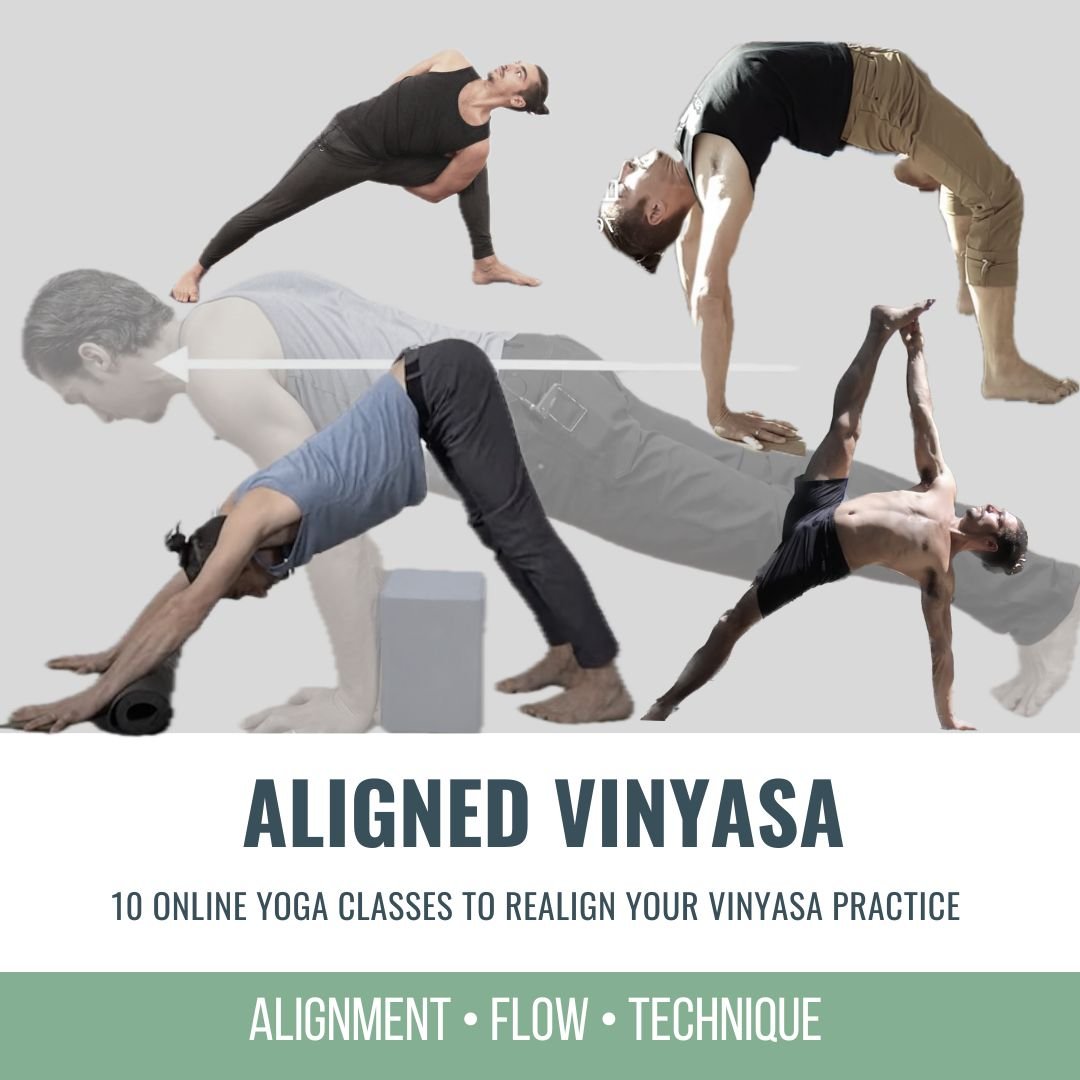
ALIGNED VINYASA

REGISTRATION NOW OPEN

  • 10 Chromatic Yoga practices with founder Matt Giordano
  • Full length 75 minute classes
  • 10 Peak Postures: The Most Essential Poses of the Vinyasa Practice
  • Meticulously Crafted Experiences to Enhance Your Postural Practice
  • Non-dogmatic, Anatomy informed Alignment
  • The Perfect Blend of Knowledge and Practice
  • A Heavy Emphasis on Technique for the Poses Everyone Expects You to Know but No One Teaches
  • 12 Continuing Education hours with Yoga Alliance
  • 12 Accredited Hours with the Chromatic School of Yoga
  • Step-by-Step instruction for increased accessibility
  • Sweat, Breath, Strengthen, Stretch and Feel Amazing!

INITIAL SET UP

One of the biggest revelations in Matt’s approach to headstand and side crow transitions is a hand placement that may feel completely unfamiliar. In this setup, the hands are placed nearly double shoulder-width apart, creating a unique starting point. Using a bolster as support, Matt demonstrates how to safely activate the necessary muscles while preparing mentally and mechanically for the inversion. This wide-hand position shifts the classic load: instead of resting the hips on a single upper arm, the knees are placed on the outside of one elbow. From here, we lean toward the bolster, training the body to trust the process. Matt emphasizes the importance of engaging the upper-side obliques to lift the hip, cultivating the strength and awareness needed for both sides of the transition. This setup not only keeps the body safe, but also primes it for smooth, confident movement between headstand and side crow.

WATCH THE VIDEO

HEADSTAND AND SIDE CROW TRANSITIONS: REFINE YOUR FLIGHT MECHANICS

ADD THE LEGS

In the next phase of the practice, Matt layers in leg extension within Side Crow, which becomes a game-changer for the transition. Straightening the legs isn’t just about making the pose look more advanced—it directly influences the upper body mechanics, particularly in the shoulders and spine. As the legs extend, the opposite shoulder blade retracts, helping to create a stronger, more stable shelf. This retraction supports deeper spinal rotation, increasing both balance and structural integrity in the pose. Through this seemingly simple action, Matt reveals how each movement is interdependent. The legs inform the shoulders, the shoulders inform the twist, and the twist enhances the transition. As the pieces come together, so does the possibility of moving between headstand and side crow with more ease and grace. It’s a reminder that what happens in one part of the body has a ripple effect across the entire structure.

200 Hour Online Teacher Training Certification

200 HOUR ONLINE TEACHER TRAINING

GET CERTIFIED & DEEPEN YOUR YOGA PRACTICE

  • Deepen your yoga practice
  • Build confidence speaking in front of groups in person and online
  • Learn foundational class structures and templates
  • Learn techniques for a wide range of yoga postures
  • Get certified and highly qualified to teach yoga
  • Yoga Alliance Globally Recognized Certification Program

TRIPOD HEADSTAND SIDE CROW VARIATION

In this variation, we begin from a Tripod Headstand—but with a Side Crow mindset. The head touches the floor, yet the arms and knees are positioned as they would be in a wide-armed Side Crow. This hybrid entry challenges us to harness core strength and stability to lift the head off the ground while maintaining balance in the twisted arm balance. It’s a humbling test of strength and control. But perhaps the most overlooked part of the movement is the exit. Since we begin with the head down, it’s tempting to return there. Matt, however, cautions against it, recommending a return to the feet for safety and control. It’s a subtle lesson in transition: just because we started in one place doesn’t mean we need to go back to it. Growth often means choosing the smarter, safer path—even if it’s not the most obvious.

300 hour teacher training online

300 HOUR ONLINE TEACHER TRAINING

GET 500 HOUR CERTIFIED AS A MASTER TEACHER

Master your skill set as a teacher through refined techniques, anatomy, biomechanics, sequencing, philosophy, meditation techniques, theming, yoga business, and much more!

  • Get 500 hour certified
  • Learn anatomy, biomechanics, asana techniques
  • Expand your teaching skills
  • Masterful sequencing and verbal delivery
  • Learn meditation and breathwork techniques
  • Transformative tools: theming, dharma talks, satsang

FROM FOUNDATION TO FLIGHT

True transformation in headstand and side crow comes not just from strength, but from trusting the foundation and letting it support the leap. In the final demonstration, Matt transitions from a fully extended Tripod Headstand into a compact ball, rotating with control into Side Crow. It’s a beautiful display of what’s possible when the groundwork has been carefully laid. Psychologically, this mirrors the inner journey: we build stability through repetition, then step into challenge with confidence. We don’t just flip upside down—we shift our perspective. The ability to go from stillness to dynamic movement, from grounded to airborne, requires more than muscle—it asks for mindfulness, surrender, and an openness to the unknown. Foundations give us a place to begin. Flight gives us the freedom to grow. And the space in between? That’s where we learn the most about who we are.

Join Matt in this journey to new heights in his May online immersion Aligned Vinyasa.

The 200 Hr. Teacher Training: Click Here to See the Next Start Date

The 300 Hr. Advanced Teacher Training: Click Here to See the Next Start Date

Article by Trish Curling

Video Extracted From: Flow & Fly Immersion

lotus pose online yoga classes

ONLINE ANATOMY COURSE

  • Accessible, exciting, and easy to learn
  • Anatomy and biomechanics for yoga
  • Appropriate for both teachers and students
  • Learn joint alignment vs pose alignment
  • Demystify yoga poses and transitions
  • Release aches and pains
  • Learn how to avoid common injuries
  • Caters to all levels with modifications and props
  • 20 hours Continued Education Credits with Yoga Alliance
  • 20 hours toward Chromatic Yoga Certification and 300 Hour
  • Lifetime access

Continue Learning

Hip Flexor Stretch Mechanics

Hip Flexor Stretch Mechanics

Hip Flexor Stretch MechanicsALIGNMENTHIP FLEXOR STRETCH MECHANICS Hip flexor stretch mechanics begins with understanding that stability and length often come from opposing actions. In the first demonstration, Matt cues the back inner thigh to lift upward, which tips...

read more
A Yoga Treatment For The Shoulders

A Yoga Treatment For The Shoulders

A Yoga Treatment For The ShouldersSTABILITYA YOGA TREATMENT FOR THE SHOULDERS Shoulders tend to speak up when stability is missing. Matt reminds us that building strength isn’t about aesthetics, it’s about support, resilience, and keeping the body working as one...

read more
Reverse Tabletop Strength

Reverse Tabletop Strength

Reverse Tabletop StrengthMECHANICSREVERSE TABLETOP STRENGTH “Solid” implies strength,  yet in yoga, we can easily lose sight of how intentionally building the back body supports everything we do. Reverse Tabletop may look simple, but it asks a lot from the posterior...

read more
Focus On Eagle Pose Legs

Focus On Eagle Pose Legs

Focus On Eagle Pose LegsMECHANICSFOCUS ON EAGLE POSE LEGS When we focus on Eagle Pose legs, it’s tempting to assume the bind is a flexibility test. But this posture quietly reveals something more nuanced: timing, joint mechanics, and how efficiently the legs organize...

read more
Build Connection On The Mat

Build Connection On The Mat

Build Connection On The MatGROUNDINGBUILD CONNECTION ON THE MAT Building connection on the mat starts at the place we tend to overlook: our feet. If we only practice the “shape” of a posture, we can miss the biomechanics that change how the whole pose feels from the...

read more
Flying Revolved Half Lotus

Flying Revolved Half Lotus

Flying Revolved Half LotusARM BALANCEFLYING REVOLVED HALF LOTUS Some postures don’t arrive through imitation; they arrive through investigation. Flying Revolved Half Lotus is one of those shapes. It borrows familiar ingredients like Side Crow mechanics, hip opening,...

read more

THE FREE TECHNIQUE PACK

When You Subscribe, You Will Get Instant Access to

  • the Technique Pack: 15 yoga pose breakdowns
  • exclusive online course discounts
  • exclusive blogs and videos
  • This field is for validation purposes and should be left unchanged.

Twist Power

Twist Power

parsva bakasana

TWIST POWER

It’s interesting what unfolds along our journey with our yoga practice.  As we grow, learn, and begin to understand more about ourselves things change, we change.  Not only do we learn so many things along the way, but in the yoga practice, we also learn to “unlearn” a great deal.

Our approach to twist postures is not separate from this idea.  Engaging with twists often looks like a rotation in the spine, potentially without a great deal of thought.  We move into the shape based on our individual mobility, not necessarily understanding that we can be much more of an active participant in order to increase our “twist power”.

With more education, we begin to unlearn the twist patterns and processes we typically engage in and begin to add in the element of strength in order to increase our spinal mobility and unleash our twist power.

chromatic yoga 15 hour immersion

REVELATION

REGISTRATION NOW OPEN

  • 10 Chromatic Yoga practices with founder Matt Giordano
  • Full-spectrum immersion covering all posture categories
  • Includes twists, folds, hip openers, shoulders, arm balances, and more
  • Improve your body awareness and advance your practice
  • Technique, biomechanics, and alignment at the forefront
  • 12 Continuing Education hours with Yoga Alliance
  • 12 Accredited Hours with the Chromatic School of Yoga
  • Step-by-step instruction for increased accessibility
  • Improve strength, balance, flexibility, and proprioception
  • Appropriate variations and modifications for all levels

GET READY

Chromatic yoga provides the tools for growth and expansion, due to the step by step approach and the education it provides.

In the first posture Matt teaches from today’s clip, we learn the foundations of how to execute a twist where we’re actually intentional about creating a co-activation of the external obliques, internal obliques and the rotators to create the rotation.  Instead of just twisting and hoping for the best,  we train our bodies to strengthen and then utilize our muscles to control the twist. 
“Twist Power” comes from deliberate action, as opposed to just going through the motions.

Here are the main steps for the twist in the High Lunge variation Matt demonstrates in the video:

  1.  Flex (round the spine)
  2. Rotate the thoracic without turning through the neck
  3. Keep the pelvis open while turning through the sternum
  4. Extend the spine, while opening up the arms

WATCH THE VIDEO

TWIST POWER: ACTIVE STRENGTH IN ROTATIONS

APPLICATION IN REVOLVED CHAIR

Practicing these twist techniques in the previous posture are the perfect “prerequisite” for Revolved Chair pose.  Matt demonstrates how to apply the same “twist power” in the following steps:

Revolved Chair Pose (left side)

  1.  Bend the knees deeply
  2. Round and flex the spine while taking the right tricep to the left thigh
  3. With the flexed spine, begin to turn the sternum
  4. Sit low to maintain spinal flexion
  5. Lift the heart, to layer on some spinal extension

When we layer on these actions, it means that we’re employing the abdominals and back muscles for a deeper, more prominent twist.

200 Hour Online Teacher Training Certification

200 HOUR ONLINE TEACHER TRAINING

GET CERTIFIED & DEEPEN YOUR YOGA PRACTICE

  • Deepen your yoga practice
  • Build confidence speaking in front of groups in person and online
  • Learn foundational class structures and templates
  • Learn techniques for a wide range of yoga postures
  • Get certified and highly qualified to teach yoga
  • Yoga Alliance Globally Recognized Certification Program

POWER UP YOUR SIDE CROW

After we implement the knowledge of activation of the abdominals and back muscles to steep the patterns into our bodies, we can translate these techniques into potentially more challenging postures.  

Here are the key actions for the first attempts at refining Side Crow:

  1.  Place a yoga block between the upper thighs
  2. Squeeze the thighs together towards the block
  3. Flex the spine
  4. Place the hands on the ground out in front
  5. Walk the feet out to the side
  6. Bend the elbows and pull the knees tight into the armpit
  7. Lean the body weight forward towards the fingertips

Here, the feet can stay on the ground in order to get used to the mechanics and demand of Side Crow.  To investigate further, Matt demonstrates that we can place a block under the feet and even place our head on a cushion/bolster in front of us while bringing the feet up.

300 hour teacher training online

300 HOUR ONLINE TEACHER TRAINING

GET 500 HOUR CERTIFIED AS A MASTER TEACHER

Master your skill set as a teacher through refined techniques, anatomy, biomechanics, sequencing, philosophy, meditation techniques, theming, yoga business, and much more!

  • Get 500 hour certified
  • Learn anatomy, biomechanics, asana techniques
  • Expand your teaching skills
  • Masterful sequencing and verbal delivery
  • Learn meditation and breathwork techniques
  • Transformative tools: theming, dharma talks, satsang

GO FOR IT

At this point, we know the build up.  We’ve taken the step by step within the twist, but also with exploration in various postures (including some Side Crow variations).  So what’s next? Now we can really go for it.

We still employ the same techniques and set up with the blocks, but now we can attempt lift of the feet while keeping the head up.  What we’ve done is equip ourselves with more confidence from education and practice.

In the full class Matt talks about how the Kleshas (twists of the mind) affect our mindset.  Side Crow can be a challenging posture, and it can be easy to tell ourselves that it is impossible to achieve.  What’s better, is our focus on the enjoyment of the process, rather than focus on the result, but more than that, we should really go for it, rather than entertaining the limited belief that it could never be possible.

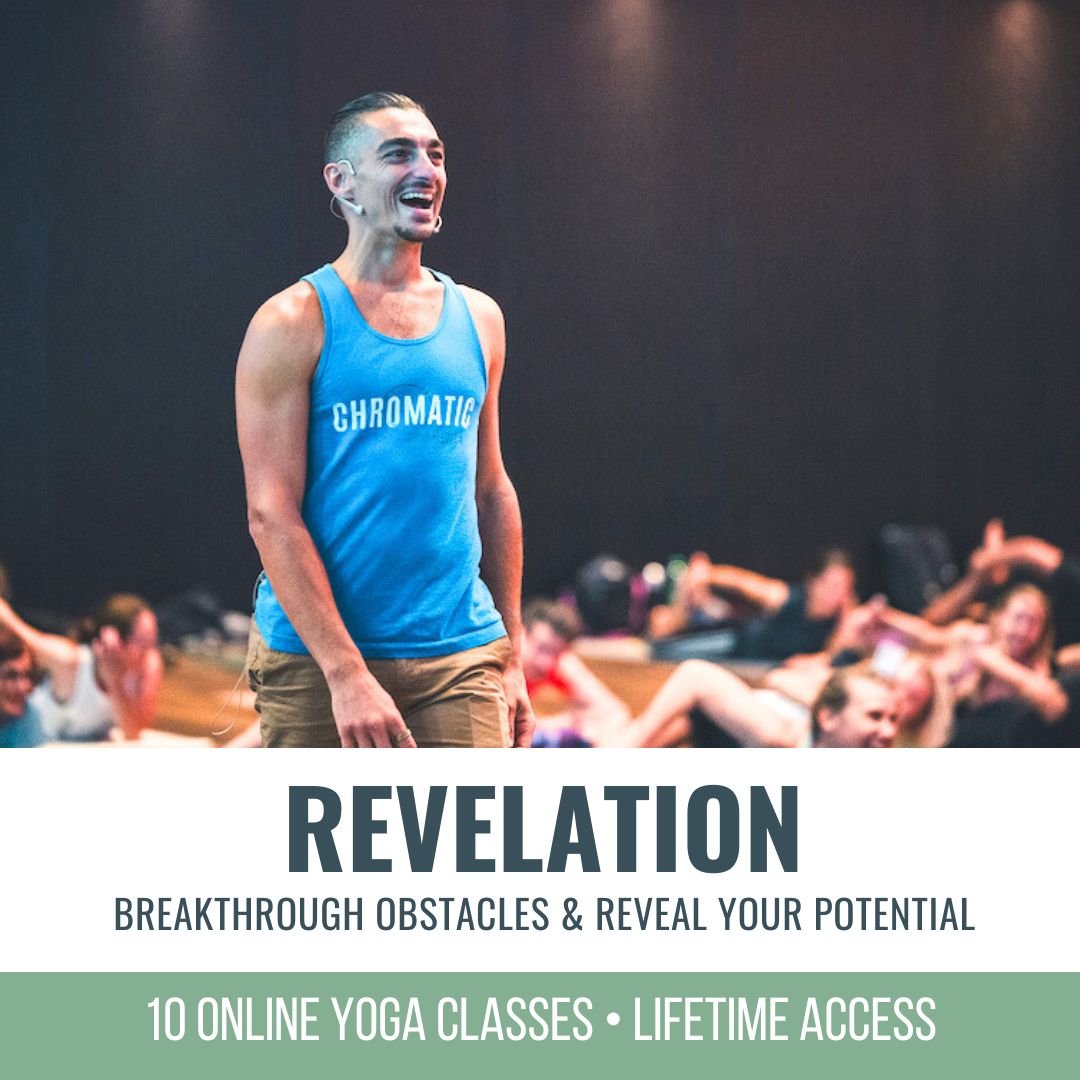
Explore the possibilities in Matt’s current online immersion Revelation today.

The 200 Hr. Teacher Training: Click Here to See the Next Start Date

The 300 Hr. Advanced Teacher Training: Click Here to See the Next Start Date

Article by Trish Curling

Video Extracted From: Revelation Immersion

lotus pose online yoga classes

ONLINE ANATOMY COURSE

  • Accessible, exciting, and easy to learn
  • Anatomy and biomechanics for yoga
  • Appropriate for both teachers and students
  • Learn joint alignment vs pose alignment
  • Demystify yoga poses and transitions
  • Release aches and pains
  • Learn how to avoid common injuries
  • Caters to all levels with modifications and props
  • 20 hours Continued Education Credits with Yoga Alliance
  • 20 hours toward Chromatic Yoga Certification and 300 Hour
  • Lifetime access

Continue Learning

Hip Flexor Stretch Mechanics

Hip Flexor Stretch Mechanics

Hip Flexor Stretch MechanicsALIGNMENTHIP FLEXOR STRETCH MECHANICS Hip flexor stretch mechanics begins with understanding that stability and length often come from opposing actions. In the first demonstration, Matt cues the back inner thigh to lift upward, which tips...

read more
A Yoga Treatment For The Shoulders

A Yoga Treatment For The Shoulders

A Yoga Treatment For The ShouldersSTABILITYA YOGA TREATMENT FOR THE SHOULDERS Shoulders tend to speak up when stability is missing. Matt reminds us that building strength isn’t about aesthetics, it’s about support, resilience, and keeping the body working as one...

read more
Reverse Tabletop Strength

Reverse Tabletop Strength

Reverse Tabletop StrengthMECHANICSREVERSE TABLETOP STRENGTH “Solid” implies strength,  yet in yoga, we can easily lose sight of how intentionally building the back body supports everything we do. Reverse Tabletop may look simple, but it asks a lot from the posterior...

read more
Focus On Eagle Pose Legs

Focus On Eagle Pose Legs

Focus On Eagle Pose LegsMECHANICSFOCUS ON EAGLE POSE LEGS When we focus on Eagle Pose legs, it’s tempting to assume the bind is a flexibility test. But this posture quietly reveals something more nuanced: timing, joint mechanics, and how efficiently the legs organize...

read more
Build Connection On The Mat

Build Connection On The Mat

Build Connection On The MatGROUNDINGBUILD CONNECTION ON THE MAT Building connection on the mat starts at the place we tend to overlook: our feet. If we only practice the “shape” of a posture, we can miss the biomechanics that change how the whole pose feels from the...

read more
Flying Revolved Half Lotus

Flying Revolved Half Lotus

Flying Revolved Half LotusARM BALANCEFLYING REVOLVED HALF LOTUS Some postures don’t arrive through imitation; they arrive through investigation. Flying Revolved Half Lotus is one of those shapes. It borrows familiar ingredients like Side Crow mechanics, hip opening,...

read more

THE FREE TECHNIQUE PACK

When You Subscribe, You Will Get Instant Access to

  • the Technique Pack: 15 yoga pose breakdowns
  • exclusive online course discounts
  • exclusive blogs and videos
  • This field is for validation purposes and should be left unchanged.

Tweak The Twists In Your Yoga Practice

Tweak the Twists in Your Yoga Practice

padmasana

TWEAK THE TWISTS IN YOUR YOGA PRACTICE

The definition of “tweak” here is the following: to improve (a mechanism or system) by making fine adjustments to it.

This perfectly describes a major part of what’s involved in the school of Chromatic yoga—it’s the fine adjustments related to the biomechanics of each posture that create a massive impact and transformative experience in our yoga practice. When we pay attention to each adjustment and learn to integrate it in a way that develops our intentions with a particular posture, we reap the benefits of expanding our potential. In Chromatic yoga, Matt shows us how to sequence yoga practices in a way that integrates knowledge of anatomy, biomechanics, and technique.

The postures and drills in today’s video show us how to properly co-activate the right muscle groups in order to maximize the benefits of twists through what Matt calls the “fire line.”  


chromatic yoga 15 hour immersion

ELEMENTS OF MASTERY 2024

REGISTRATION NOW OPEN

  • 20 hours in person with Matt, July 19–21
  • 10-hour online course “The Pose Factory” opens June 1
  • Group lunch included each day
  • Revolutionize your yoga practice
  • Apply the Elemental and Chakra systems to your poses
  • Gain mastery in your movement
  • Debunk dogmatic “alignment” myths
  • Learn anatomy-informed Chromatic Technique
  • Hotel and spa: amazing pool area
  • Optional spa treatments
  • Beautiful hiking trails
  • Outstanding restaurants
  • Sauna and hot tub

WHAT IS THE FIRE LINE?

There are 5 elements in yoga philosophy. Referred to as mahabhutas, they are the following:

  1. Earth
  2. Water
  3. Fire
  4. Air
  5. Space

Each element carries its own unique qualities, which go beyond the physical. Our focus today is on the element of Fire in a physical sense, but we can see how the qualities also lend themselves to our mental and spiritual development. Here are some of the qualities that represent Fire:

  1. Transformation
  2. Motivation
  3. Power
  4. Energy
  5. Presence

When it comes to the physical, Matt has developed a system that allows us to coordinate specific actions within specific muscle groups at the right time. The “fire line” refers to the coactivation of the “diagonal core line.” It creates a domino effect with these steps:

  1. Protraction of the scapulae (activating serratus anterior)
  2. Spinal flexion, then layering on spinal rotation (igniting the external obliques on one side and the internal obliques on the opposite side) 
  3. Flexion of the opposite hip (iliopsoas)

WATCH THE VIDEO

TWEAK THE TWISTS IN YOUR YOGA PRACTICE: CHROMATIC YOGA FIRE LINE EXPLAINED

CREATE THE CONNECTION

When it comes to twists in our yoga practice, it may sometimes feel easy to default to a more “relaxed” approach. What we learn from today’s video is the importance of timing and the coactivation of specific muscles that support strengthening the core for better twists. In the fire line, it’s all about cultivating power and front-body strength in the midline.

In order to begin understanding how to create the connection between twists and the appropriate muscles, we first see the following postures in the video:

  1. Revolved Crescent Lunge
  2. Revolved Crescent Lunge with Open Arms
  3. 2 variations of Revolved Chair

We start by creating connections through the actions of protracting the scapulae, spinal flexion, and rotation—the ability to move the upper body as a unit, rather than just moving or reaching with our arms.

200 Hour Online Teacher Training Certification

200 HOUR ONLINE TEACHER TRAINING

GET CERTIFIED & DEEPEN YOUR YOGA PRACTICE

  • Deepen your yoga practice
  • Build confidence speaking in front of groups in person and online
  • Learn foundational class structures and templates
  • Learn techniques for a wide range of yoga postures
  • Get certified and highly qualified to teach yoga
  • Yoga Alliance Globally Recognized Certification Program

DEVELOP THE TWIST TECHNIQUE

How do we further develop the technique for twists? Well, in the video, when Matt demonstrates Revolved Low Lunge, he emphasizes “flexing” our way down, rather than just falling with gravity. He stresses how we’re essentially resisting “the fall” by pulling the rib cage back to maintain the spinal flexion as we rotate.

The last piece of the puzzle regarding the fire line is hip flexion. As we move toward Boat Pose and “sock drills” in the video, we actually practice reversing the coactivation steps. The steps of muscle activation become the following in the sock drills:

  1. hip flexors
  2. internal obliques
  3. external obliques
  4. serratus anterior

The reversal of the steps amplifies our body’s ability to respond to the actions we’re asking it to perform.

300 hour teacher training online

300 HOUR ONLINE TEACHER TRAINING

GET 500 HOUR CERTIFIED AS A MASTER TEACHER

Master your skill set as a teacher through refined techniques, anatomy, biomechanics, sequencing, philosophy, meditation techniques, theming, yoga business, and much more!

  • Get 500 hour certified
  • Learn anatomy, biomechanics, asana techniques
  • Expand your teaching skills
  • Masterful sequencing and verbal delivery
  • Learn meditation and breathwork techniques
  • Transformative tools: theming, dharma talks, satsang

AN ARM BALANCE WITH A TWIST

After masterful sequencing and the activation of the core, we can work towards an arm balance with a twist, like Side Crow. Again, instead of resting the hip and outer thighs on both arms, we can utilize the activations in the fire line to balance and rest on the triceps of one arm. This ability then becomes transferable to other arm balances.  

The techniques involved in these postures and drills create a stronger foundation and functional ability in our bodies overall, and this only scratches the surface of the fire line, not to mention the other elements.

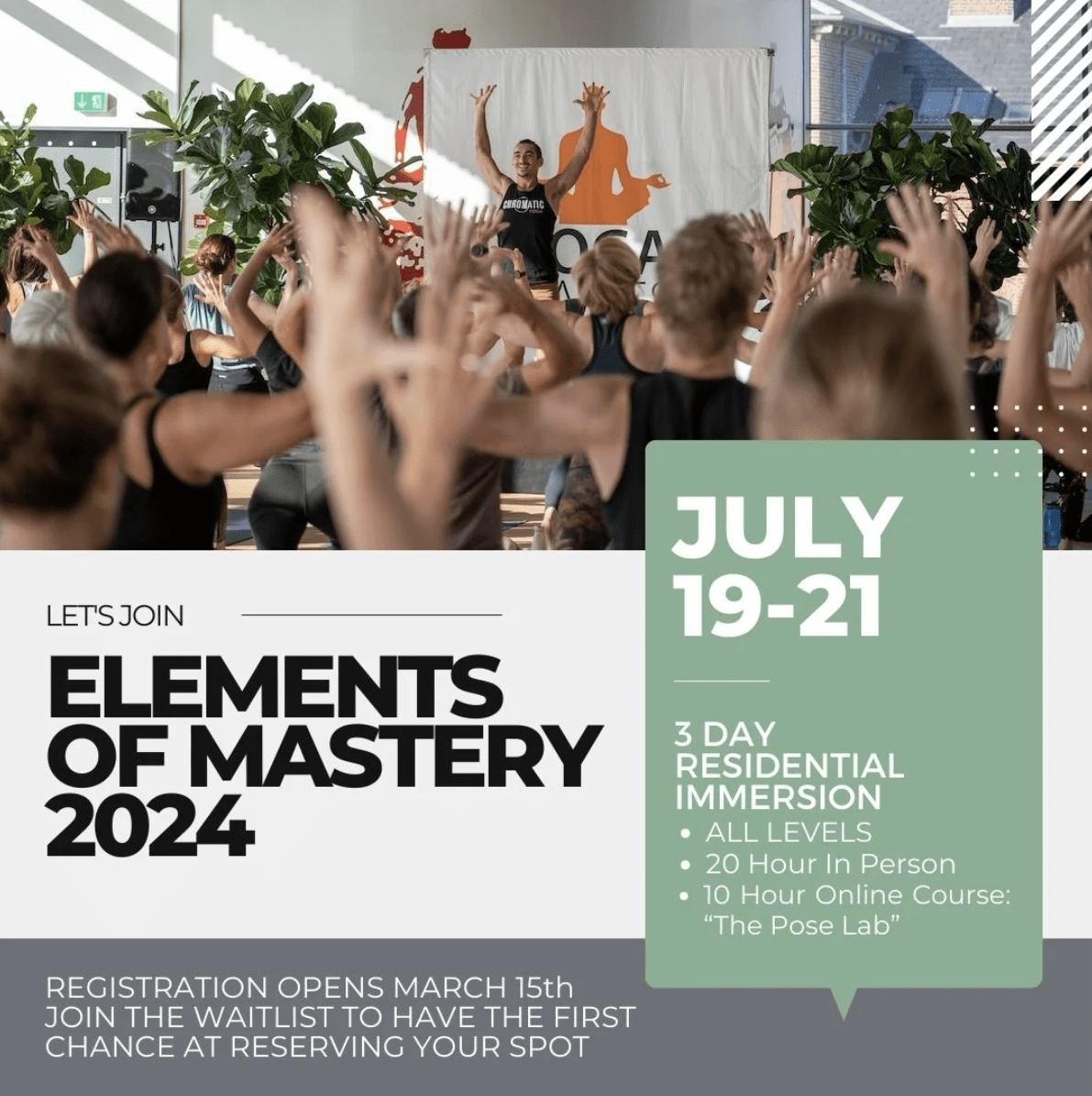
Matt’s upcoming 30-hour hybrid immersion, Elements of Mastery, offers a unique opportunity to practice and learn both online and in person with Chromatic Yoga creator, Matt Giordano. This training will dive into all of the elements while immersing you in the studies of anatomy, biomechanics, and technique with a nondogmatic approach.

Secure your spot for this unparalleled opportunity!

The 200 Hr. Teacher Training: Click Here to See the Next Start Date

The 300 Hr. Advanced Teacher Training: Click Here to See the Next Start Date

Article by Trish Curling

Videos Extracted From: Breath Of Fire Immersion

lotus pose online yoga classes

ONLINE ANATOMY COURSE

  • Accessible, exciting, and easy to learn
  • Anatomy and biomechanics for yoga
  • Appropriate for both teachers and students
  • Learn joint alignment vs pose alignment
  • Demystify yoga poses and transitions
  • Release aches and pains
  • Learn how to avoid common injuries
  • Caters to all levels with modifications and props
  • 20 hours Continued Education Credits with Yoga Alliance
  • 20 hours toward Chromatic Yoga Certification and 300 Hour
  • Lifetime access

Continue Learning

Hip Flexor Stretch Mechanics

Hip Flexor Stretch Mechanics

Hip Flexor Stretch MechanicsALIGNMENTHIP FLEXOR STRETCH MECHANICS Hip flexor stretch mechanics begins with understanding that stability and length often come from opposing actions. In the first demonstration, Matt cues the back inner thigh to lift upward, which tips...

read more
A Yoga Treatment For The Shoulders

A Yoga Treatment For The Shoulders

A Yoga Treatment For The ShouldersSTABILITYA YOGA TREATMENT FOR THE SHOULDERS Shoulders tend to speak up when stability is missing. Matt reminds us that building strength isn’t about aesthetics, it’s about support, resilience, and keeping the body working as one...

read more
Reverse Tabletop Strength

Reverse Tabletop Strength

Reverse Tabletop StrengthMECHANICSREVERSE TABLETOP STRENGTH “Solid” implies strength,  yet in yoga, we can easily lose sight of how intentionally building the back body supports everything we do. Reverse Tabletop may look simple, but it asks a lot from the posterior...

read more
Focus On Eagle Pose Legs

Focus On Eagle Pose Legs

Focus On Eagle Pose LegsMECHANICSFOCUS ON EAGLE POSE LEGS When we focus on Eagle Pose legs, it’s tempting to assume the bind is a flexibility test. But this posture quietly reveals something more nuanced: timing, joint mechanics, and how efficiently the legs organize...

read more
Build Connection On The Mat

Build Connection On The Mat

Build Connection On The MatGROUNDINGBUILD CONNECTION ON THE MAT Building connection on the mat starts at the place we tend to overlook: our feet. If we only practice the “shape” of a posture, we can miss the biomechanics that change how the whole pose feels from the...

read more
Flying Revolved Half Lotus

Flying Revolved Half Lotus

Flying Revolved Half LotusARM BALANCEFLYING REVOLVED HALF LOTUS Some postures don’t arrive through imitation; they arrive through investigation. Flying Revolved Half Lotus is one of those shapes. It borrows familiar ingredients like Side Crow mechanics, hip opening,...

read more

THE FREE TECHNIQUE PACK

When You Subscribe, You Will Get Instant Access to

  • the Technique Pack: 15 yoga pose breakdowns
  • exclusive online course discounts
  • exclusive blogs and videos
  • This field is for validation purposes and should be left unchanged.

Pin It on Pinterest