Build Connection On The Mat

Build Connection On The Mat

GROUNDING

BUILD CONNECTION ON THE MAT

Building connection on the mat starts at the place we tend to overlook: our feet. If we only practice the “shape” of a posture, we can miss the biomechanics that change how the whole pose feels from the inside. Matt reminds us that one action can echo through the body when we know what we’re looking for. Here, the feet become the first teacher. We learn to shorten the sole of the foot by drawing the big toe mound and toe line back toward the heel, and we pair that with a second action: squeezing the legs inward. That inward tone connects to the pelvic floor, which sits like a supportive hammock between the bones of the ilium. Matt cues us to imagine this area like a dome, and when we squeeze in, we contract the dome upward.  When we build connections on the mat it becomes a whole body experience.
chromatic yoga 15 hour immersion

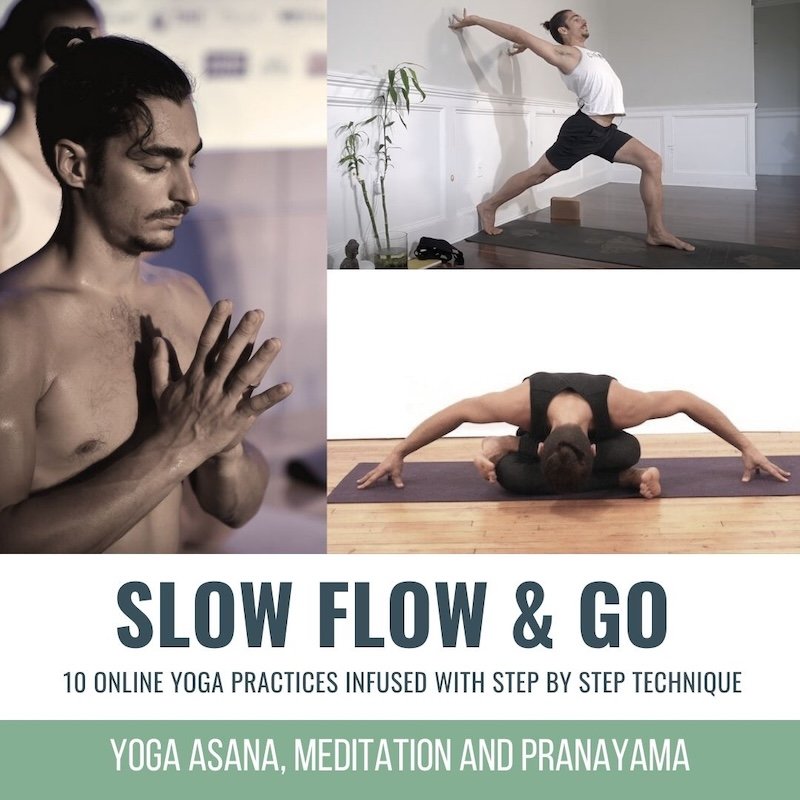
SLOW FLOW & GO

YOGA ASANA, MEDITATION AND PRANAYAMA

  • 10 Chromatic Yoga practices with founder Matt Giordano
  • Physically Invigorating Yet Accessible
  • Breath Work for Energetic Realignment
  • Meditation for Clarity, Focus, and Grounding
  • Themes for Inspiration
  • Physically Well Rounded: All Postural Categories Will be Addressed
  • Designed as “Your Daily Yoga” 60 Minute Classes
  • Non-dogmatic, Anatomy informed Alignment
  • The Perfect Blend of Knowledge and Practice
  • Chromatic Slow Flow Style: Moderate Vinyasa Pacing Infused with Technique and Non-dogmatic Alignment
  • 10 Continuing Education hours with Yoga Alliance and American Yoga Council
  • 10 Accredited Practice Hours with the Chromatic School of Yoga
  • Step-by-Step instruction for increased accessibility
  • Sweat, Breath, Strengthen, Stretch and Feel Amazing!

WARRIOR II FEET

In Warrior II, Matt has us relax the hands first and choose a long stance we can actually control. He cues a subtle shift of the pelvis back, almost like sitting into a chair behind us, so the base feels organized before the arms even lift. Then we find the front foot: a slight lean into the big toe side, and we “scrunch” the sole to build a strong arch.  This happens when the big toe mound draws toward the heel. We repeat the same idea in the back foot, even though it’s trickier because the ankle is in an inverted position. To relieve strain in the outer ankle ligaments, Matt brings in the second action: squeeze the legs toward each other, like we’re narrowing the gap between the inner thighs. That squeeze creates the doming effect up through the pelvis and spine. When we build Connection on the mat it feels less like holding a stance and more like standing inside a support line.

WATCH THE VIDEO

BUILD CONNECTION ON THE MAT: HOW YOUR FEET INFORM YOUR PRACTICE

GET MORE OUT OF SIDE ANGLE PREPARATION 

From that Warrior II base, Matt takes us into Side Angle preparation with forearm to thigh, but he keeps the focus on the feet first. We shorten the soles again (big toe mound toward heel), then we let the inner thighs isometrically contract just enough that the posture starts to feel “self-held.” He cues a slight inward turn of the back thigh, which helps the back leg stop leaking out into the outer ankle. The squeeze of the legs becomes the bridge to pelvic floor support: inner thighs draw in, and the pelvic floor “dome” lifts upward rather than dropping down and forward.  Matt suggests that the right hand (when it’s the front hand) can lower toward the ground without collapsing the base.  Additionally, the chest lengthens forward and the top arm reaches to the sky. Build connection on the mat turns Side Angle into a posture we can trust, not one we brace through.
200 Hour Online Teacher Training Certification

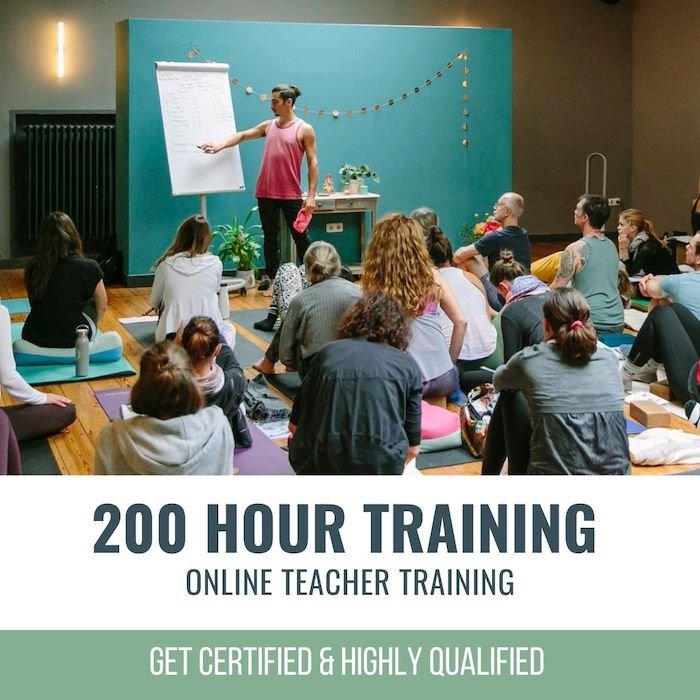
200 HOUR ONLINE TEACHER TRAINING

GET CERTIFIED & DEEPEN YOUR YOGA PRACTICE

  • Deepen your yoga practice
  • Build confidence speaking in front of groups in person and online
  • Learn foundational class structures and templates
  • Learn techniques for a wide range of yoga postures
  • Get certified and highly qualified to teach yoga
  • Yoga Alliance Globally Recognized Certification Program

LIZARD CONNECTION

In Lizard, Matt keeps it simple and grounded. First, the front foot steps out, back knee lowers, and we lift the hips slightly, “stick the bum up” just enough to create space. He cues an inhale to lift the chest, then an exhale down to the elbows for a few breaths. Even here, in order to build connection on the mat we stay with a “foot-led” mentality. Matt has us look at the front foot and rebuild the arch by committing to the same action of the big toe and big toe mound squeezing back toward the heel. Then he layers in traction (pulling the front heel back toward the knee while the back knee subtly drags forward toward the heel). This again creates a controlled isometric “hug” through the legs. That action wakes up the inner thighs and gives the pelvis more integrity, so the stretch becomes intelligent instead of sloppy. The result is a lizard that feels supported from the ground up, not just deep.
300 hour teacher training online

300 HOUR ONLINE TEACHER TRAINING

GET 500 HOUR CERTIFIED AS A MASTER TEACHER

Master your skill set as a teacher through refined techniques, anatomy, biomechanics, sequencing, philosophy, meditation techniques, theming, yoga business, and much more!

  • Get 500 hour certified
  • Learn anatomy, biomechanics, asana techniques
  • Expand your teaching skills
  • Masterful sequencing and verbal delivery
  • Learn meditation and breathwork techniques
  • Transformative tools: theming, dharma talks, satsang

ROOT, DOME, RISE

So, to build connection on the mat it’s ultimately two actions repeated in different “clothing”.  The “outfits” includes shortening of  the sole, and a squeeze of the legs in. The feet give us a clear starting point which is having the arch active, big toe mound drawing toward heel and then the inner thighs take the message upward into pelvic floor for support. Matt’s dome image is powerful because it keeps the pelvic floor from becoming vague: we don’t “push down” into effort, we contract the dome upward and let that lift echo through the spine and head. Warrior II teaches the base, Side Angle shows how it holds under reach and rotation, and Lizard proves we can stay connected even in deeper shapes. When we return to these actions consistently, the practice stops being about getting through poses and becomes about building a body that knows how to organize itself. That’s the real promise of a path that builds connection on the mat.

If you want to delve deeper into what our yoga practice has to offer then you won’t want to miss out on Matt’s current online immersion Slow Flow & Glow.

The 200 Hr. Teacher Training: Click Here to See the Next Start Date

The 300 Hr. Advanced Teacher Training: Click Here to See the Next Start Date

Article by Trish Curling

Video Extracted From: Slow Flow & Go Immersion
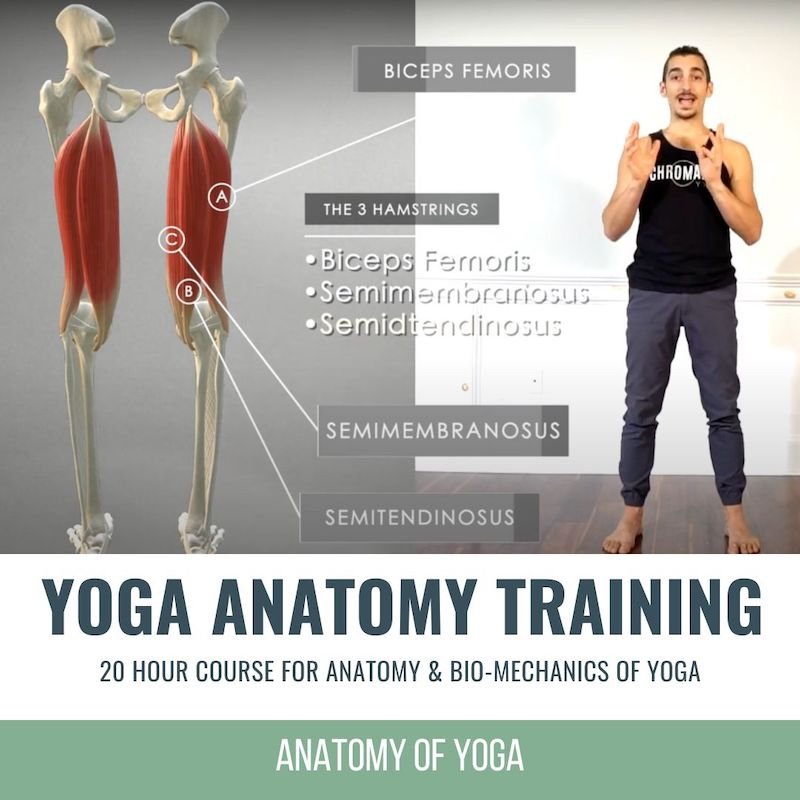
lotus pose online yoga classes

ONLINE ANATOMY COURSE

  • Accessible, exciting, and easy to learn
  • Anatomy and biomechanics for yoga
  • Appropriate for both teachers and students
  • Learn joint alignment vs pose alignment
  • Demystify yoga poses and transitions
  • Release aches and pains
  • Learn how to avoid common injuries
  • Caters to all levels with modifications and props
  • 20 hours Continued Education Credits with Yoga Alliance
  • 20 hours toward Chromatic Yoga Certification and 300 Hour
  • Lifetime access

Continue Learning

Focus On Eagle Pose Legs

Focus On Eagle Pose Legs

Focus On Eagle Pose LegsMECHANICSFOCUS ON EAGLE POSE LEGS When we focus on Eagle Pose legs, it’s tempting to assume the bind is a flexibility test. But this posture quietly reveals something more nuanced: timing, joint mechanics, and how efficiently the legs organize...

read more
Build Connection On The Mat

Build Connection On The Mat

Build Connection On The MatGROUNDINGBUILD CONNECTION ON THE MAT Building connection on the mat starts at the place we tend to overlook: our feet. If we only practice the “shape” of a posture, we can miss the biomechanics that change how the whole pose feels from the...

read more
Flying Revolved Half Lotus

Flying Revolved Half Lotus

Flying Revolved Half LotusARM BALANCEFLYING REVOLVED HALF LOTUS Some postures don’t arrive through imitation; they arrive through investigation. Flying Revolved Half Lotus is one of those shapes. It borrows familiar ingredients like Side Crow mechanics, hip opening,...

read more
Eka Pada Bakasana

Eka Pada Bakasana

Eka Pada BakasanaSINGLE LEG CROWEKA PADA BAKASANA Eka Pada Bakasana asks us to balance curiosity with patience. This one-legged crow variation isn’t just about lifting a leg, it’s about organizing pressure, timing, and trust in unfamiliar territory. The posture...

read more
Eight Angle Pose

Eight Angle Pose

Eight Angle PoseASTAVAKRASANAEIGHT ANGLE POSE Sometimes we think arm balances are about getting higher, but Matt reframes Eight Angle pose as a mechanics workshop. This posture thrives when we test rotation, pelvic placement, and upper-body stability as interconnected...

read more
Approachable Arm Balances

Approachable Arm Balances

Approachable Arm BalancesPARSVA BAKASANAAPPROACHABLE ARM BALANCES Approachable arm balances aren’t about fearlessness; they’re about informed action. When we understand the mechanics behind the posture, we gain the power to shape our own outcomes. Rather than jumping...

read more

THE FREE TECHNIQUE PACK

When You Subscribe, You Will Get Instant Access to

  • the Technique Pack: 15 yoga pose breakdowns
  • exclusive online course discounts
  • exclusive blogs and videos
  • This field is for validation purposes and should be left unchanged.

Side Crow Strategy

Side Crow Strategy

PARSVA BAKASANA

SIDE CROW STRATEGY

When we step onto the yoga mat with a strategy, we open ourselves up to a practice that’s both intelligent and transformational. Side Crow is one of those postures that calls for a clear plan, one that breaks down the mechanics and balances effort with trust. Rather than relying on sheer strength or guesswork, Matt’S Chromatic Yoga method offers a layered approach rooted in precision. It’s not just sequencing, it’s a system that honours tapas (effort) and Ishvara Pranidhana (surrender). With Side Crow, much of that effort is directed toward activating and stabilizing the adductors.  This may not often be examined in a “typical” yoga class, but drawing our awareness here helps to keep us connected to the midline. This intentional use of muscular engagement provides both structure and support. A Side Crow strategy gives us permission to slow down and build awareness of our spine, our core, our balance, and how we distribute energy.  From that foundation, we can begin to fly.

chromatic yoga 15 hour immersion

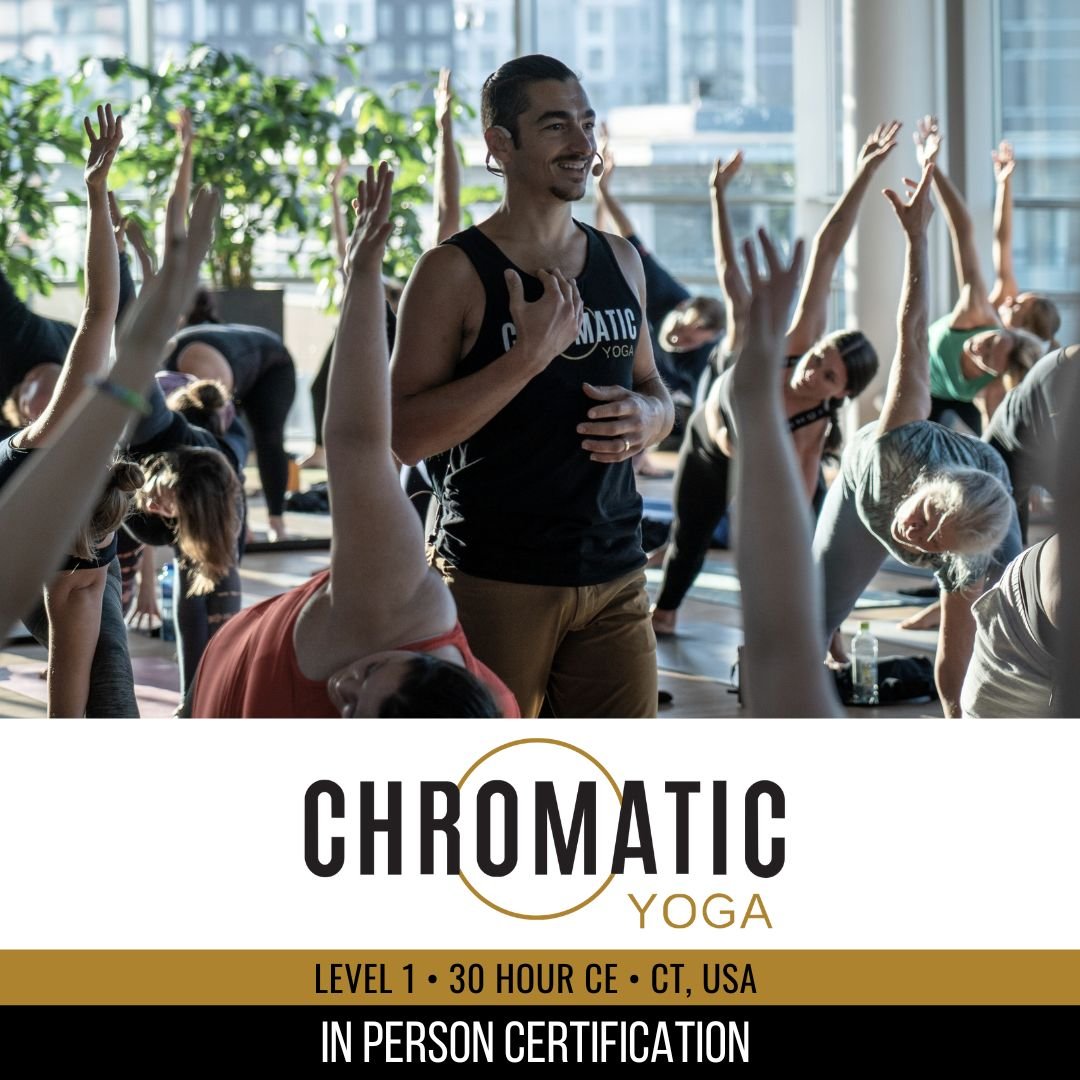
CHROMATIC LEVEL 1 TRAINING

CHROMATIC LEVEL 1 REGISTRATION

  • 30 hours in person with Matt
  • Short Online pre-training to maximize in person time together
  • Become a Certified Chromatic Yoga Teacher
  • Revolutionize your teaching skills
  • Gain the strength of the global collective
  • All Yoga Teachers get continued ed hours with Yoga Alliance
  • Certified Chromatic Teacher’s attending this event will get continued Ed hours toward their next level within Chromatic Yoga
  • Chromatic Yoga does not adhere to dogmatic alignment principals, instead you will learn to make deliberate alignment based on intention.
  • Residential training – you will book your stay at the Hotel and Spa, close to multiple international Airports
  • Location: Our Farm in Connecticut

ONE-LEGGED CHAIR POSE

In today’s video, Matt instructs us to place a block between the upper thighs and squeeze to activate the adductors. From there, we twist to the left, placing the right tricep on the left thigh. Leaning into the left foot makes the right heel light, and we start to build a one-legged variation of Revolved Chair pose, drawing the right heel to the glutes. This “flamingo-style” chair pose (as Matt refers to it) is less about aesthetics and more about teaching the body to rotate and stabilize at once. With the block engaged and the twist deepening, we simultaneously challenge balance and coordination. It’s a strong preparation for understanding how internal pressure and spiral activation become essential later on in Side Crow. Once the shape is complete, we bring the right foot back down and head to the ground for the next layer of training.

WATCH THE VIDEO

SIDE CROW STRATEGY: SYSTEMATIC SEQUENCING FOR SUCCESS

FLIP IT UPSIDE DOWN

From our backs, the same strategic tone continues, this time placing a block between the shins, (adductors still firing). Matt cues a subtle posterior tilt of the pelvis, then shifts the knees to the left while the arms move to the right. We engage in a sit-up that resists the temptation for the knees to drift. This upright engagement through twist keeps the focus on the obliques and reinforces spinal control. With arms stretched wide, Matt invites us to continue exploring the twist, only letting the pelvis rotate as far as we can control—never beyond that. There’s no forcing. There’s no rush. He then demonstrates a “side-to-side roll”, with the block still in place, which helps us refine symmetry and continue conditioning the midsection. This phase may seem simple, but it’s crucial. We are wiring the body for rotation, stability, and centerline strength, all components we’ll call on in the Side Crow.

200 Hour Online Teacher Training Certification

200 HOUR ONLINE TEACHER TRAINING

GET CERTIFIED & DEEPEN YOUR YOGA PRACTICE

  • Deepen your yoga practice
  • Build confidence speaking in front of groups in person and online
  • Learn foundational class structures and templates
  • Learn techniques for a wide range of yoga postures
  • Get certified and highly qualified to teach yoga
  • Yoga Alliance Globally Recognized Certification Program

SIDE CROW SET UP

The moment we’ve prepared for begins to take form. Matt sets us up for Side Crow with the option to place the block between the shins (more challenging) or thighs (more accessible). Facing the side of the mat, we take our hands wide, so wide that initially, we can’t even touch the floor. This forces us to lift the hips, find height, and make space before planting the second hand. Squeezing the block, we shift into a zone of possibility. Hips high, bum lifted, knees squeezing inward.  We have the option to stay here and hover, or eventually fly. If we choose to “fly”, the lean comes next, moving our weight toward the fingertips while keeping the tailbone lifted and knees spiraling inward. Matt reminds us to “wag the tail,” a cue that activates the obliques and centers the pelvis. At every step, we are reminded to grip, lean, spiral, and squeeze.  This is our Side Crow strategy in action.

300 hour teacher training online

300 HOUR ONLINE TEACHER TRAINING

GET 500 HOUR CERTIFIED AS A MASTER TEACHER

Master your skill set as a teacher through refined techniques, anatomy, biomechanics, sequencing, philosophy, meditation techniques, theming, yoga business, and much more!

  • Get 500 hour certified
  • Learn anatomy, biomechanics, asana techniques
  • Expand your teaching skills
  • Masterful sequencing and verbal delivery
  • Learn meditation and breathwork techniques
  • Transformative tools: theming, dharma talks, satsang

INTEGRATION LEADS TO TRANSFORMATION

The beauty of this approach is that nothing is random. Each drill is intentional, each cue a puzzle piece that fits into the larger structure. From standing to seated to upside down, we build body awareness layer by layer. We don’t just attempt Side Crow, we construct it. The internal rotation, the spinal rotation, the controlled lean, all of it becomes part of us. This is what the Chromatic Yoga approach teaches: not just to perform, but to integrate. Our transformation doesn’t come from nailing the pose, it comes from respecting the path it took to get there. We practice discernment, meet resistance with strategy, and stay present in the process. As with any meaningful practice, the goal isn’t just to arrive, it’s to understand how we arrived. That’s the strategy. That’s the system. And in that, we prevail.

Take a deep dive into the Chromatic Yoga approach at Matt’s next Chromatic Level 1 In PersonTraining.  

Transform your yoga offerings to your students by registering for Matt’s 200 & 300/500 Hour Yoga Teacher Trainings.

The 200 Hr. Teacher Training: Click Here to See the Next Start Date

The 300 Hr. Advanced Teacher Training: Click Here to See the Next Start Date

Article by Trish Curling

Video Extracted From: Chromatic Yoga 15 Hour Online Immersion

lotus pose online yoga classes

ONLINE ANATOMY COURSE

  • Accessible, exciting, and easy to learn
  • Anatomy and biomechanics for yoga
  • Appropriate for both teachers and students
  • Learn joint alignment vs pose alignment
  • Demystify yoga poses and transitions
  • Release aches and pains
  • Learn how to avoid common injuries
  • Caters to all levels with modifications and props
  • 20 hours Continued Education Credits with Yoga Alliance
  • 20 hours toward Chromatic Yoga Certification and 300 Hour
  • Lifetime access

Continue Learning

Focus On Eagle Pose Legs

Focus On Eagle Pose Legs

Focus On Eagle Pose LegsMECHANICSFOCUS ON EAGLE POSE LEGS When we focus on Eagle Pose legs, it’s tempting to assume the bind is a flexibility test. But this posture quietly reveals something more nuanced: timing, joint mechanics, and how efficiently the legs organize...

read more
Build Connection On The Mat

Build Connection On The Mat

Build Connection On The MatGROUNDINGBUILD CONNECTION ON THE MAT Building connection on the mat starts at the place we tend to overlook: our feet. If we only practice the “shape” of a posture, we can miss the biomechanics that change how the whole pose feels from the...

read more
Flying Revolved Half Lotus

Flying Revolved Half Lotus

Flying Revolved Half LotusARM BALANCEFLYING REVOLVED HALF LOTUS Some postures don’t arrive through imitation; they arrive through investigation. Flying Revolved Half Lotus is one of those shapes. It borrows familiar ingredients like Side Crow mechanics, hip opening,...

read more
Eka Pada Bakasana

Eka Pada Bakasana

Eka Pada BakasanaSINGLE LEG CROWEKA PADA BAKASANA Eka Pada Bakasana asks us to balance curiosity with patience. This one-legged crow variation isn’t just about lifting a leg, it’s about organizing pressure, timing, and trust in unfamiliar territory. The posture...

read more
Eight Angle Pose

Eight Angle Pose

Eight Angle PoseASTAVAKRASANAEIGHT ANGLE POSE Sometimes we think arm balances are about getting higher, but Matt reframes Eight Angle pose as a mechanics workshop. This posture thrives when we test rotation, pelvic placement, and upper-body stability as interconnected...

read more
Approachable Arm Balances

Approachable Arm Balances

Approachable Arm BalancesPARSVA BAKASANAAPPROACHABLE ARM BALANCES Approachable arm balances aren’t about fearlessness; they’re about informed action. When we understand the mechanics behind the posture, we gain the power to shape our own outcomes. Rather than jumping...

read more

THE FREE TECHNIQUE PACK

When You Subscribe, You Will Get Instant Access to

  • the Technique Pack: 15 yoga pose breakdowns
  • exclusive online course discounts
  • exclusive blogs and videos
  • This field is for validation purposes and should be left unchanged.

Strengthen Your Adductor Muscles

Strengthen Your Adductor Muscles

Incorporate These Drills Into Your Yoga Practice

activation

STRENGTHEN YOUR ADDUCTOR MUSCLES

The adductor muscles are commonly left as a lower priority when it comes to building strength in your yoga practice. It’s not that there aren’t opportunities, but more intention is required about when and how to incorporate the necessary actions that will actually strengthen this area of your body. The message from Matt is clear and simple: Engage your adductor muscles. You just have to do it! Taking action is the only way for transformation to occur.   Now, when it comes to when and how, Matt outlines in today’s video a number of different yoga postures and drills for you to include in your practice with specific techniques. It may take you out of your comfort zone, but that is exactly how you’ll develop. It’s these actions and drills that will open up your physical yoga practice to new postures, and your physical body to improved functionality.

12 Online Yoga classes to Learn Anatomy

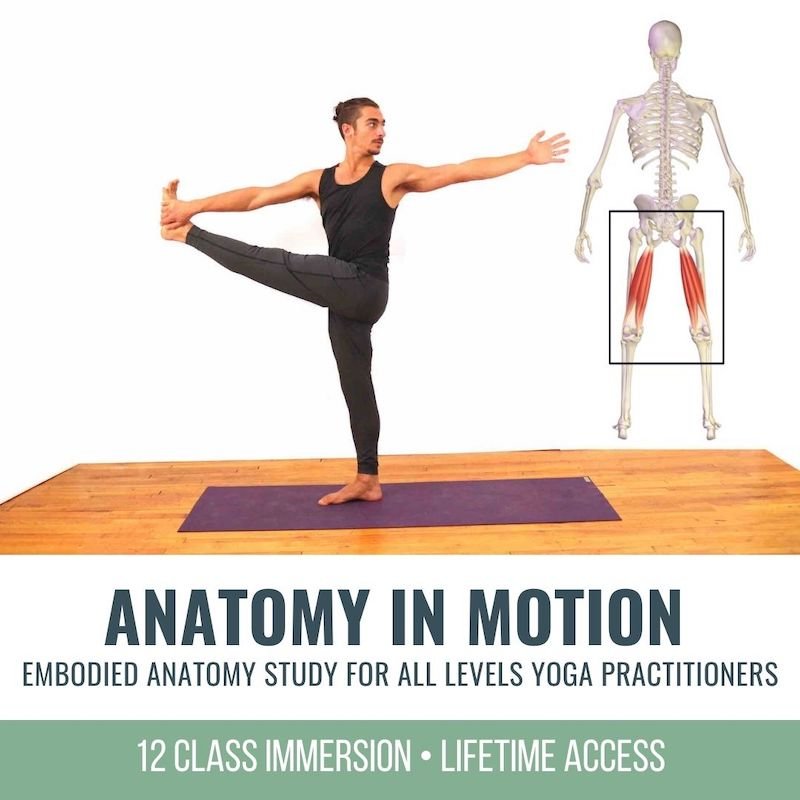
ANATOMY IN MOTION

APRIL 2022 Immersion

  • Embody anatomy
  • Learn key muscles, bones, and joints
  • Visualize your movements internally
  • Improve proprioception
  • Sensation-based practices
  • Unlock and strengthen major muscle groups
  • Active, passive, and isometric stretching
  • Improve mobility and stability
  • Get VERY geeky

$168.00


OVERSTRETCHING THE ADDUCTORS

In a yoga practice, the adductor muscles are often stretched without any engagement. I’m sure you can come up with a number of different postures where your adductors are in a lengthened position. Think of any wide-legged posture, such as Warrior II. How many times have you included this posture in your practice? 

The length and stretch sensation of the adductors can feel like the solution to tension or tightness in this area of your body. Releasing tension and increasing flexibility in your adductor muscles actually involves strengthening. This is why it’s imperative to be more calculated in your approach. Finding opportunities to strengthen your adductor muscles will promote their resilience and minimize the likelihood of them becoming overstretched, which can in turn cause injuries. Engaging them, however, can feel challenging, especially if you’re not used to inviting engagement into your practice.

WATCH THE VIDEO

STRENGTHEN YOUR ADDUCTOR MUSCLES: INCORPORATE THESE DRILLS INTO YOUR YOGA PRACTICE

REASONS WHY YOU MIGHT AVOID ACTIVATING THE ADDUCTORS

One of the first things Matt talks about in his 300 Hr. Teacher Training is the idea of resistance and how it will show up in certain areas of your life, especially with regard to creating transformation. You feel resistance when it comes to things you don’t particularly want to do, but this is also true even when it comes down to doing things you enjoy. You may love going to your mat to practice yoga, but incorporating intentional muscle activation to increase strength can be quite humbling and discouraging at times. If you want to strengthen your adductor muscles, or your whole body for that matter, Matt encourages you to lean into the resistance. It will reveal not only what’s taking place in your physical body but also more of what you need to know about yourself. This is the yoga practice. 

200 Hour Online Teacher Training Certification

200 HOUR ONLINE TEACHER TRAINING

GET CERTIFIED & DEEPEN YOUR YOGA PRACTICE

  • Deepen your yoga practice
  • Build confidence speaking in front of groups in person and online
  • Learn foundational class structures and templates
  • Learn techniques for a wide range of yoga postures
  • Get certified and highly qualified to teach yoga
  • Yoga Alliance Globally Recognized Certification Program

TRY THESE DRILLS

Goddess Pose is the first posture in today’s video. Here, you have to abduct your legs in order to access the strengthening technique. Your adductors are in a lengthened position and feet are turned out, which will help target the adductor magnus in particular. In order to strengthen your adductors, Matt utilizes a facilitated-stretch technique.  

The next drill requires props, a wall and either a yoga block or bosu ball. This time, you’re in more of a closed position, while pressing one leg into the block. It gets your hip flexors and pectineus active. The adductors of both legs are strengthening while performing different roles.

The final drills are really variations of one another, and WOW do they challenge you! In addition to what they demand of your adductors, they also require you to integrate more of your body weight with each progression.

300 hour teacher training online

300 HOUR ONLINE TEACHER TRAINING

GET 500 HOUR CERTIFIED AS A MASTER TEACHER

Master your skill set as a teacher through refined techniques, anatomy, biomechanics, sequencing, philosophy, meditation techniques, theming, yoga business, and much more!

  • Get 500 hour certified
  • Learn anatomy, biomechanics, asana techniques
  • Expand your teaching skills
  • Masterful sequencing and verbal delivery
  • Learn meditation and breathwork techniques
  • Transformative tools: theming, dharma talks, satsang

ON THE OTHER SIDE OF RESISTANCE

Transformation lives on the other side of resistance. Before this is experienced, however, it’s inevitable that you will encounter challenges. A yoga practice that calls upon you to engage your muscles is effortful and can feel quite discouraging. It can tire your body more easily and therefore entice you to incorporate these strengthening techniques a little less than what’s required for actual transformation. But what you’ll find on the other side of resistance is both an unfolding of increased possibilities in your physical practice and a deeper awareness of your own fortitude.

If you want to strengthen your adductors, you’ll have to take advantage of the opportunities within your yoga practice. You can see that there are many opportunities in what Matt offers in today’s video. Once you try out the drills Matt demonstrates, you’ll find doors opening in your practice that you may not have thought possible.

The 200 Hr. Teacher Training: Click Here to See the Next Start Date

The 300 Hr. Advanced Teacher Training: Click Here to See the Next Start Date

Article by Trish Curling

Video Extracted From: Anatomy in Motion

lotus pose online yoga classes

The Teachers' Toolkit

  • Advance your practice
  • Learn masterful teaching techniques
  • Acquire business-building skills
  • Attract the right students
  • Learn about social media, marketing, and business structure
  • Catapult your teaching and career

Continue Learning

Focus On Eagle Pose Legs

Focus On Eagle Pose Legs

Focus On Eagle Pose LegsMECHANICSFOCUS ON EAGLE POSE LEGS When we focus on Eagle Pose legs, it’s tempting to assume the bind is a flexibility test. But this posture quietly reveals something more nuanced: timing, joint mechanics, and how efficiently the legs organize...

read more
Build Connection On The Mat

Build Connection On The Mat

Build Connection On The MatGROUNDINGBUILD CONNECTION ON THE MAT Building connection on the mat starts at the place we tend to overlook: our feet. If we only practice the “shape” of a posture, we can miss the biomechanics that change how the whole pose feels from the...

read more
Flying Revolved Half Lotus

Flying Revolved Half Lotus

Flying Revolved Half LotusARM BALANCEFLYING REVOLVED HALF LOTUS Some postures don’t arrive through imitation; they arrive through investigation. Flying Revolved Half Lotus is one of those shapes. It borrows familiar ingredients like Side Crow mechanics, hip opening,...

read more
Eka Pada Bakasana

Eka Pada Bakasana

Eka Pada BakasanaSINGLE LEG CROWEKA PADA BAKASANA Eka Pada Bakasana asks us to balance curiosity with patience. This one-legged crow variation isn’t just about lifting a leg, it’s about organizing pressure, timing, and trust in unfamiliar territory. The posture...

read more
Eight Angle Pose

Eight Angle Pose

Eight Angle PoseASTAVAKRASANAEIGHT ANGLE POSE Sometimes we think arm balances are about getting higher, but Matt reframes Eight Angle pose as a mechanics workshop. This posture thrives when we test rotation, pelvic placement, and upper-body stability as interconnected...

read more
Approachable Arm Balances

Approachable Arm Balances

Approachable Arm BalancesPARSVA BAKASANAAPPROACHABLE ARM BALANCES Approachable arm balances aren’t about fearlessness; they’re about informed action. When we understand the mechanics behind the posture, we gain the power to shape our own outcomes. Rather than jumping...

read more

THE FREE TECHNIQUE PACK

When You Subscribe, You Will Get Instant Access to

  • the Technique Pack: 15 yoga pose breakdowns
  • exclusive online course discounts
  • exclusive blogs and videos
  • This field is for validation purposes and should be left unchanged.

Pin It on Pinterest