Hip Flexor Stretch Mechanics

Hip Flexor Stretch Mechanics

ALIGNMENT

HIP FLEXOR STRETCH MECHANICS

Hip flexor stretch mechanics begins with understanding that stability and length often come from opposing actions. In the first demonstration, Matt cues the back inner thigh to lift upward, which tips the pelvis slightly anterior. Against that motion, the front buttock scoops underneath. He explains that these actions seem to compete, yet they actually cooperate to organize the pelvis and protect the low back. As the back inner thigh lifts and reaches away, the front buttock gently presses down and under, while the front heel grounds into the floor. The result is a stable platform that allows the hip flexors to lengthen without collapsing the lumbar spine. When these mechanics work together, the stretch becomes more intentional and supportive rather than passive. Hip flexor stretch mechanics reminds us that thoughtful muscular engagement often unlocks the most sustainable mobility in our practice.
chromatic yoga 15 hour immersion

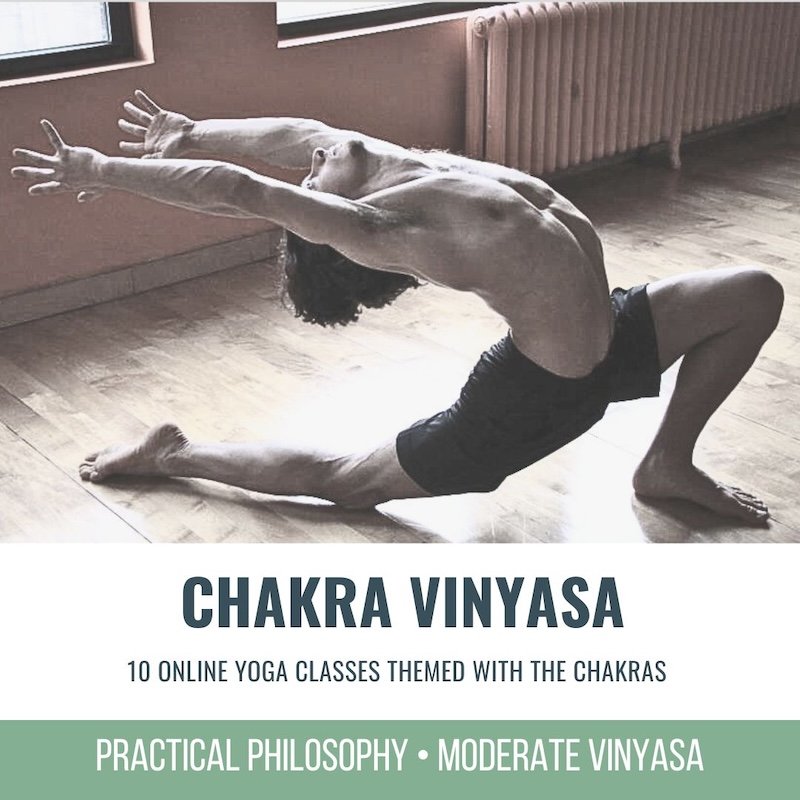
CHAKRA VINYASA

PRACTICAL PHILOSOPHY MODERATE VINYASA

  • 10 Chromatic Yoga practices with founder Matt Giordano
  • Inspirational and Practical Philosophy
  • Chakra Based Practices
  • ‘Physically Invigorating Yet Accessible
  • Breath Work for Energetic Realignment
  • Meditation for Clarity, Focus, and Grounding
  • Physically Well Rounded: All Postural Categories Will be Addressed
  • Designed as “Your Daily Yoga” 60 Minute Classes
  • Non-dogmatic, Anatomy informed Alignment
  • The Perfect Blend of Knowledge and Practice
  • Chromatic Slow Flow Style: Moderate Vinyasa Pacing Infused with Technique and Non-dogmatic Alignment
  • 10 Continuing Education hours with Yoga Alliance and American Yoga Council
  • 10 Accredited Practice Hours with the Chromatic School of Yoga
  • Step-by-Step instruction for increased accessibility
  • Sweat, Breath, Strengthen, Stretch and Feel Amazing!

TECHNIQUES IN HIGH LUNGE

In High Lunge, Matt refines these same mechanics. The back inner thigh continues to lift and reach backward while the front buttock scoops underneath to steady the pelvis. The heel presses firmly into the mat, reinforcing the length through the back leg. Once that base is organized, the arms reach upward and the chest lifts. Matt suggests gently drawing the abdomen upward, which cues the fascia to respond with a supportive lift through the front body. The low back moves slightly forward as the heart rises upward, creating space rather than compression. Hip flexor stretch mechanics becomes clearer here: the stretch deepens not because we sink further, but because the body organizes upward and outward simultaneously.

WATCH THE VIDEO

HIP FLEXOR STRETCH MECHANICS: CONNECT TO THE HEART CHAKRA

GET MORE FROM MONKEY POSE

When transitioning toward Monkey Pose, Matt keeps the same principles intact. The pelvis continues to balance between the lifting back inner thigh and the grounding action of the front leg. Even as the legs lengthen apart, the focus remains on maintaining structure rather than chasing range. By pressing through the heel and stabilizing the hips, the stretch distributes evenly through the hip flexors and hamstrings. This approach ensures the spine remains supported while the legs explore deeper length. Hip Flexor Stretch Mechanics shows that Monkey Pose becomes more productive when the pelvis remains organized and the legs maintain active participation rather than simply sliding into flexibility.
200 Hour Online Teacher Training Certification

200 HOUR ONLINE TEACHER TRAINING

GET CERTIFIED & DEEPEN YOUR YOGA PRACTICE

  • Deepen your yoga practice
  • Build confidence speaking in front of groups in person and online
  • Learn foundational class structures and templates
  • Learn techniques for a wide range of yoga postures
  • Get certified and highly qualified to teach yoga
  • Yoga Alliance Globally Recognized Certification Program

LENGTH IN ANJANEYASANA 

Length in Anjaneyasana evolves through an added thigh stretch. Matt guides us to bend the back knee and reach for the foot, gently kicking the foot into the hand to activate the quadriceps. The hand resists lightly while the foot presses back with about twenty percent effort. This creates a facilitated stretch rather than a passive pull. As the torso lifts and the abdomen opens, the quads stay engaged and the chest expands. The back knee can subtly pull forward while the foot presses backward into the hand, intensifying the hip flexor length safely. Hip Flexor Stretch Mechanics becomes clearer here: by activating both sides of the joint, the body finds more support and depth without strain.
300 hour teacher training online

300 HOUR ONLINE TEACHER TRAINING

GET 500 HOUR CERTIFIED AS A MASTER TEACHER

Master your skill set as a teacher through refined techniques, anatomy, biomechanics, sequencing, philosophy, meditation techniques, theming, yoga business, and much more!

  • Get 500 hour certified
  • Learn anatomy, biomechanics, asana techniques
  • Expand your teaching skills
  • Masterful sequencing and verbal delivery
  • Learn meditation and breathwork techniques
  • Transformative tools: theming, dharma talks, satsang

CONNECTION TO THE HEART

Connection to the Heart emerges naturally from these mechanics. Matt reminds us that the heart chakra is associated with softness, compassion, and connection beyond the individual self. In this posture, the belly remains soft while the heart lifts upward. That softness allows the front body to open without forcing the stretch. The heart chakra is often described as the bridge between the lower and upper centers of the body, connecting physical grounding with more expansive awareness. As the hip flexors lengthen and the chest opens, the posture invites a broader perspective. Instead of striving for a deeper stretch alone, the practice encourages openness and receptivity. Hip flexor stretch mechanics ultimately supports this idea: when the body organizes with balance and intention, the heart has space to rise and connect outward.

Register for Matt’s upcomiong online yoga immersion Chakra Vinyasa to unveil another layer of your practice. 

The 200 Hr. Teacher Training: Click Here to See the Next Start Date

The 300 Hr. Advanced Teacher Training: Click Here to See the Next Start Date

Article by Trish Curling

Video Extracted From: Chakras & The Elements Immersion
lotus pose online yoga classes

ONLINE ANATOMY COURSE

  • Accessible, exciting, and easy to learn
  • Anatomy and biomechanics for yoga
  • Appropriate for both teachers and students
  • Learn joint alignment vs pose alignment
  • Demystify yoga poses and transitions
  • Release aches and pains
  • Learn how to avoid common injuries
  • Caters to all levels with modifications and props
  • 20 hours Continued Education Credits with Yoga Alliance
  • 20 hours toward Chromatic Yoga Certification and 300 Hour
  • Lifetime access

Continue Learning

Opening The Heart Chakra

Opening The Heart Chakra

Opening The Heart ChakrabackbendOPENING THE HEART CHAKRA Opening the heart chakra is not simply about reaching deeper into a backbend. Matt reminds us that this space is rooted in love, balance, and connection, both with ourselves and with others. It reflects how we...

read more
5 Visual Demonstration Techniques for Yoga Teachers

5 Visual Demonstration Techniques for Yoga Teachers

5 Visual Demonstration Techniques for Yoga TeachersYoga TeachersVisual Demonstration This is often confused with “teaching from the mat.” Teaching at the front of the room can be useful at the right time and place, but that is not what we are referring to here. In...
read more
Awakening Solar Plexus Strength

Awakening Solar Plexus Strength

Awakening Solar Plexus Strengththird chakraAWAKENING SOLAR PLEXUS STRENGTH Awakening solar plexus strength invites us into the centre of transformation. Matt reminds us that this third chakra, Manipura, is our fire, our willpower, and our ability to take action. It...
read more
Hip Flexor Stretch Mechanics

Hip Flexor Stretch Mechanics

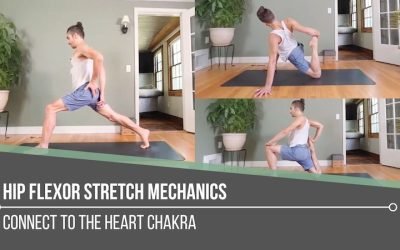
Hip Flexor Stretch MechanicsALIGNMENTHIP FLEXOR STRETCH MECHANICS Hip flexor stretch mechanics begins with understanding that stability and length often come from opposing actions. In the first demonstration, Matt cues the back inner thigh to lift upward, which tips...
read more
A Yoga Treatment For The Shoulders

A Yoga Treatment For The Shoulders

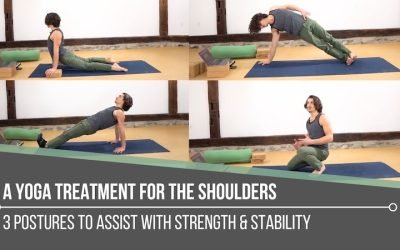
A Yoga Treatment For The ShouldersSTABILITYA YOGA TREATMENT FOR THE SHOULDERS Shoulders tend to speak up when stability is missing. Matt reminds us that building strength isn’t about aesthetics, it’s about support, resilience, and keeping the body working as one...
read more
Reverse Tabletop Strength

Reverse Tabletop Strength

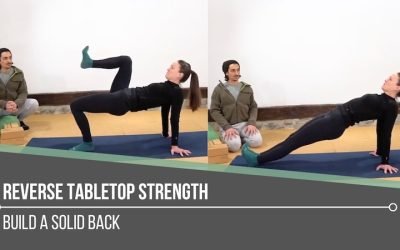
Reverse Tabletop StrengthMECHANICSREVERSE TABLETOP STRENGTH “Solid” implies strength,  yet in yoga, we can easily lose sight of how intentionally building the back body supports everything we do. Reverse Tabletop may look simple, but it asks a lot from the posterior...

read more

THE FREE TECHNIQUE PACK

When You Subscribe, You Will Get Instant Access to

  • the Technique Pack: 15 yoga pose breakdowns
  • exclusive online course discounts
  • exclusive blogs and videos
  • This field is for validation purposes and should be left unchanged.

Tight Hips

Tight Hips

HIP MOBILITY

TIGHT HIPS

When working to release tight hips, most people instinctively go straight for deep stretches. But one often overlooked area that holds a surprising amount of tension is the adductorS (the inner thigh muscles) that connect to the pelvis. While it’s common to try and stretch them out, Matt introduces a smarter approach: activate them while stretching (a technique known as a Facilitated Stretch). This technique brings stability to the hip joint, which in turn reduces strain elsewhere in the body. Why does that matter? Because tight hips can lead to issues in the joints above or below—most notably, the knees and the lower back. If the hip doesn’t move as it should, the knee or spine may compensate by moving too much. This extra movement increases friction, and friction often leads to pain. So to protect the knees and lower back, we don’t just stretch the hips, we strengthen and activate as we open them.

chromatic yoga 15 hour immersion

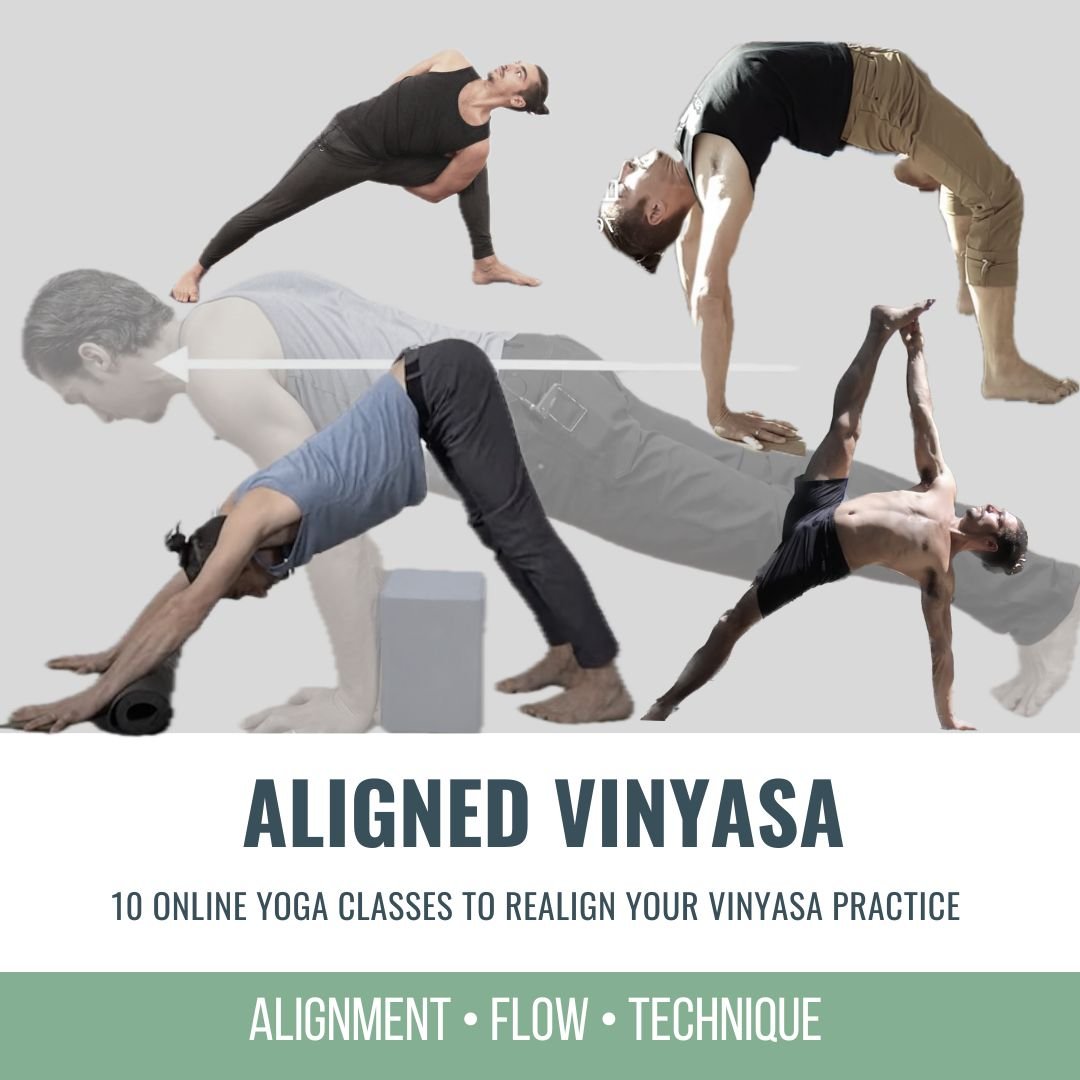
ALIGNED VINYASA

REGISTRATION NOW OPEN

  • 10 Chromatic Yoga practices with founder Matt Giordano
  • Full length 75 minute classes
  • 10 Peak Postures: The Most Essential Poses of the Vinyasa Practice
  • Meticulously Crafted Experiences to Enhance Your Postural Practice
  • Non-dogmatic, Anatomy informed Alignment
  • The Perfect Blend of Knowledge and Practice
  • A Heavy Emphasis on Technique for the Poses Everyone Expects You to Know but No One Teaches
  • 12 Continuing Education hours with Yoga Alliance
  • 12 Accredited Hours with the Chromatic School of Yoga
  • Step-by-Step instruction for increased accessibility
  • Sweat, Breath, Strengthen, Stretch and Feel Amazing!

WHERE WE FIND THE PAIN

The body is a chain of interconnected parts, and pain doesn’t always show up where the problem begins. With tight hips, discomfort often surfaces in neighboring areas—the knees or the lower back—because they’re forced to do extra work. Matt teaches that when the hips lack mobility, the joints above and below take on the burden, resulting in excessive movement. That movement increases friction, and over time, friction is what creates pain. The lower back may start to compensate with excessive arching or twisting, while the knees may absorb force that should have been dispersed by the hips. By addressing the root of the restriction, unlocking and stabilizing the hips—we can reduce unnecessary motion in these vulnerable areas. The key is understanding that pain doesn’t always mean injury where it hurts. Instead, it often signals compensation patterns that stem from unresolved tension elsewhere. The journey toward ease begins where we’re stuck, not necessarily where we’re sore.

WATCH THE VIDEO

TIGHT HIPS: 5 POSTURES TO UNLOCK, UNLEASH & RELEASE

ACTIVATION OF MUSCLES

To create real, sustainable mobility, especially when working with tight hips—passive stretching alone often isn’t enough. Instead, activating the muscles while they are being stretched can lead to far greater flexibility and control. This approach taps into the body’s neuromuscular system, specifically the Golgi tendon organ (GTO)—a sensory receptor located where muscle meets tendon. The GTO monitors tension in the muscle and sends signals to the brain about the level of strain. When we actively contract a muscle during a stretch, the GTO responds by telling the brain that the muscle is under control and not at risk. In turn, the brain allows the muscle to release more deeply, giving us a wider, safer range of motion. This type of muscle activation not only improves flexibility but also teaches the body how to maintain strength and support through a greater range—making it ideal for addressing tight hips with both precision and purpose.

200 Hour Online Teacher Training Certification

200 HOUR ONLINE TEACHER TRAINING

GET CERTIFIED & DEEPEN YOUR YOGA PRACTICE

  • Deepen your yoga practice
  • Build confidence speaking in front of groups in person and online
  • Learn foundational class structures and templates
  • Learn techniques for a wide range of yoga postures
  • Get certified and highly qualified to teach yoga
  • Yoga Alliance Globally Recognized Certification Program

TARGET THE ADDUCTORS

In today’s video, Matt shares five powerful postures to release tight hips by targeting the often-overlooked adductors—the inner thigh muscles essential for both stability and mobility. Across Lizard Pose, Warrior II, Side Angle, Skandasana, and a posture between Upavistha Konasana and Samakonasana, the unifying action is isometrically drawing the legs toward each other.  Each pose, however, includes one signature cue to unlock the deepest benefit. In Lizard, hugging the front knee into the shoulder and pushing the front heel down helps to heighten the hips—a sign of proper activation. In Warrior II, Matt cues a subtle sit-back before pulling the feet in, which softens the inner thighs. Side Angle adds knee-to-arm pressure for more adductor engagement. In Skandasana, dorsiflexing the foot and dragging the heel inward (as if towards the midline) lights up the inner thigh.  In the final pose, Matt emphasizes tipping the pelvis forward before hitting our full stretch, so activation leads the way.

300 hour teacher training online

300 HOUR ONLINE TEACHER TRAINING

GET 500 HOUR CERTIFIED AS A MASTER TEACHER

Master your skill set as a teacher through refined techniques, anatomy, biomechanics, sequencing, philosophy, meditation techniques, theming, yoga business, and much more!

  • Get 500 hour certified
  • Learn anatomy, biomechanics, asana techniques
  • Expand your teaching skills
  • Masterful sequencing and verbal delivery
  • Learn meditation and breathwork techniques
  • Transformative tools: theming, dharma talks, satsang

FROM TECHNIQUE TO FREEDOM

When working with tight hips, it’s easy to assume that stretching alone will bring relief—but as we’ve explored in Matt’s teachings, it’s the intentional techniques that truly create change. From targeting the adductors to activating muscles during stretching, these methods help develop strength, control, and lasting mobility. Overtime, as these techniques become ingrained in our movement patterns, we no longer need to focus on every micro-adjustment. Instead, we begin to move with greater ease and confidence, even in postures that once felt out of reach. The result is a genuine sense of freedom in the body—not just more flexibility, but a deeper understanding of how to move well. If you’re ready to explore this approach further, Matt’s May online immersion, Aligned Vinyasa, offers 10 guided classes designed to build this connection between technique and flow, helping you move smarter, safer, and more freely in every practice.

The 200 Hr. Teacher Training: Click Here to See the Next Start Date

The 300 Hr. Advanced Teacher Training: Click Here to See the Next Start Date

Article by Trish Curling

Video Extracted From: Revelation Immersion

lotus pose online yoga classes

ONLINE ANATOMY COURSE

  • Accessible, exciting, and easy to learn
  • Anatomy and biomechanics for yoga
  • Appropriate for both teachers and students
  • Learn joint alignment vs pose alignment
  • Demystify yoga poses and transitions
  • Release aches and pains
  • Learn how to avoid common injuries
  • Caters to all levels with modifications and props
  • 20 hours Continued Education Credits with Yoga Alliance
  • 20 hours toward Chromatic Yoga Certification and 300 Hour
  • Lifetime access

Continue Learning

Opening The Heart Chakra

Opening The Heart Chakra

Opening The Heart ChakrabackbendOPENING THE HEART CHAKRA Opening the heart chakra is not simply about reaching deeper into a backbend. Matt reminds us that this space is rooted in love, balance, and connection, both with ourselves and with others. It reflects how we...

read more
5 Visual Demonstration Techniques for Yoga Teachers

5 Visual Demonstration Techniques for Yoga Teachers

5 Visual Demonstration Techniques for Yoga TeachersYoga TeachersVisual Demonstration This is often confused with “teaching from the mat.” Teaching at the front of the room can be useful at the right time and place, but that is not what we are referring to here. In...

read more
Awakening Solar Plexus Strength

Awakening Solar Plexus Strength

Awakening Solar Plexus Strengththird chakraAWAKENING SOLAR PLEXUS STRENGTH Awakening solar plexus strength invites us into the centre of transformation. Matt reminds us that this third chakra, Manipura, is our fire, our willpower, and our ability to take action. It...

read more
Hip Flexor Stretch Mechanics

Hip Flexor Stretch Mechanics

Hip Flexor Stretch MechanicsALIGNMENTHIP FLEXOR STRETCH MECHANICS Hip flexor stretch mechanics begins with understanding that stability and length often come from opposing actions. In the first demonstration, Matt cues the back inner thigh to lift upward, which tips...

read more
A Yoga Treatment For The Shoulders

A Yoga Treatment For The Shoulders

A Yoga Treatment For The ShouldersSTABILITYA YOGA TREATMENT FOR THE SHOULDERS Shoulders tend to speak up when stability is missing. Matt reminds us that building strength isn’t about aesthetics, it’s about support, resilience, and keeping the body working as one...

read more
Reverse Tabletop Strength

Reverse Tabletop Strength

Reverse Tabletop StrengthMECHANICSREVERSE TABLETOP STRENGTH “Solid” implies strength,  yet in yoga, we can easily lose sight of how intentionally building the back body supports everything we do. Reverse Tabletop may look simple, but it asks a lot from the posterior...

read more

THE FREE TECHNIQUE PACK

When You Subscribe, You Will Get Instant Access to

  • the Technique Pack: 15 yoga pose breakdowns
  • exclusive online course discounts
  • exclusive blogs and videos
  • This field is for validation purposes and should be left unchanged.

Postpone The Stretch Sensation

Postpone the Stretch Sensation

flexibility

POSTPONE THE STRETCH SENSATION

If one of the goals of our physical yoga practice is to increase flexibility, we may automatically believe that we just need to stretch more. It’s critical that we understand that increasing flexibility is much more layered than simply stretching. Yes, we know the stretch sensation has the potential to feel really good; in fact, it can feel GREAT when done appropriately for our bodies and at the right time.

What if we were to entertain the idea of postponing the stretch sensation in order to increase flexibility? This might sound like we’d be moving away from our goal, but we’d actually be moving more expeditiously along the path. In today’s video, Matt demonstrates strengthening techniques that target hamstring flexibility. Instead of simply stretching, we can apply techniques that not only cultivate length in the muscles but also foster the overall health of the muscles.

chromatic yoga 15 hour immersion

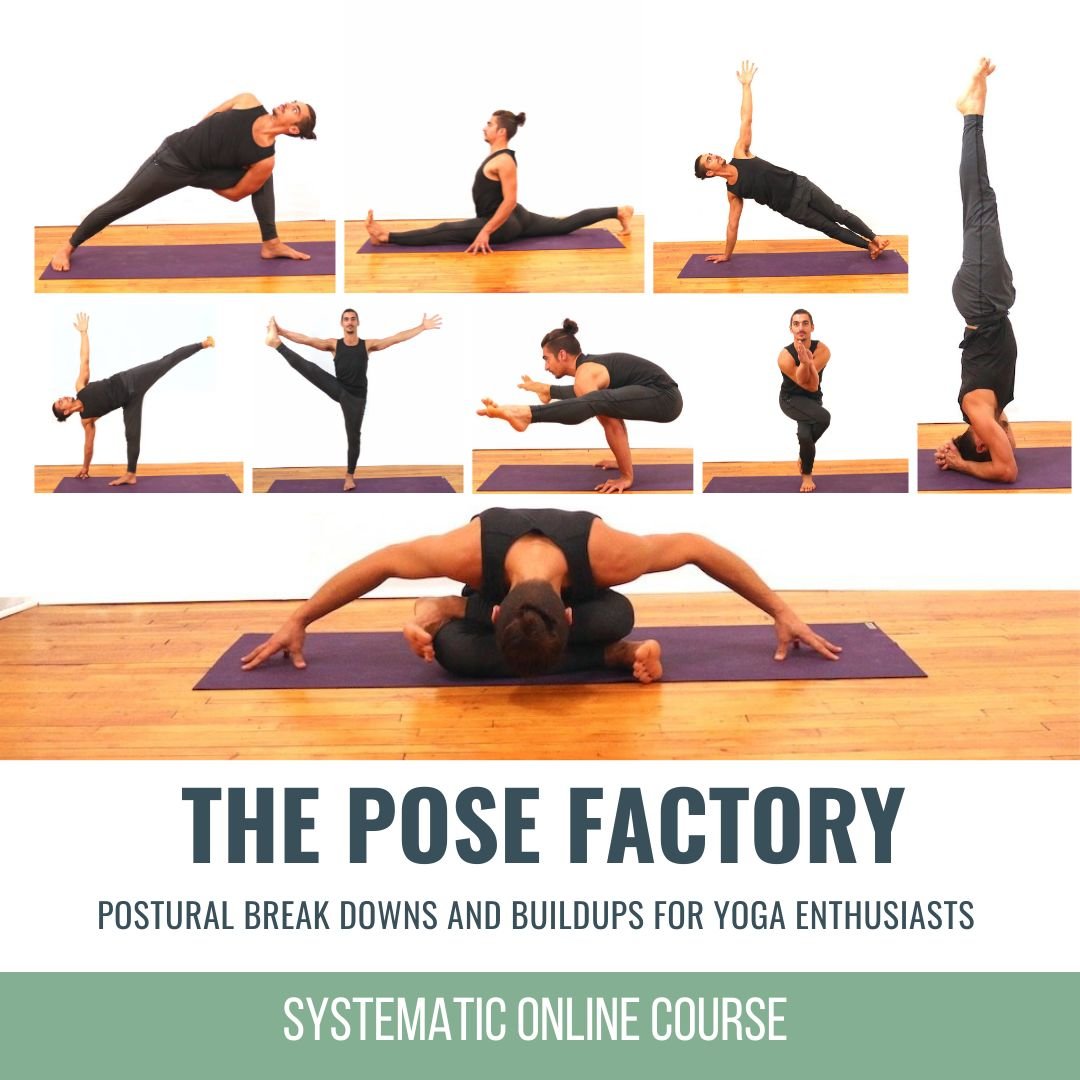
THE POSE FACTORY

WAITLIST NOW OPEN

  • Dogmatic alignment versus functional alignment
  • Learn popular postural pitfalls
  • Myths versus truth
  • Formulaic approach for comprehensive learning
  • Excellent guide for yoga enthusiasts
  • Must-have for yoga teachers
  • Joint-health awareness
  • Muscle integrity, range of motion
  • Props for accessibity
  • Alignment alterations in the case of injuries

HAMSTRING STRETCH PREPARATION

As we prepare our hamstrings to stretch and create more length, we must understand the difference between tension and strength. If we go straight into stretching, attempting to go beyond our current threshold with the intention of progressing, it’s possible that our bodies will tense up and go into “protection mode.” Tension is activated to halt potential injury.

Preparing the hamstrings prior to a good stretch involves strengthening. At the beginning of today’s video, Matt demonstrates two postures that get us started:

Crescent Pose Preparation

Preparing the hamstrings also means activating the gluteus muscles. What we see are techniques initiated by the feet and pelvis that promote these activations.

Forward Fold

Pressing the heels outward here helps activate the tensor fasciae latae (TFL) muscles, which tips the pelvis and lengthens the hamstrings.

WATCH THE VIDEO

POSTPONE THE STRETCH SENSATION: HAMSTRING FLEXIBILITY TECHNIQUES

STRETCH TECHNIQUE DEVELOPMENT

To progress, we need to find multiple ways during a given yoga practice to implement the acquired techniques within the area of focus. When we do this, we train our brain and body to respond with greater precision. Two more ways to explore the hamstrings before executing a stretch include:

Twisted Monkey

Matt demonstrates a drill in which we go back and forth between activating the hamstrings and activating the quadriceps.

It’s important to be present and intentional about activating the muscles; just going through the motions means we are not implementing the techniques with accuracy.

Warrior III Preparation

Here, Matt emphasizes activating the hamstrings and the glutes by lifting the back leg higher than we might expect. We get a little closer to understanding two concepts: facilitated stretch and reciprocal inhibition.

200 Hour Online Teacher Training Certification

200 HOUR ONLINE TEACHER TRAINING

GET CERTIFIED & DEEPEN YOUR YOGA PRACTICE

  • Deepen your yoga practice
  • Build confidence speaking in front of groups in person and online
  • Learn foundational class structures and templates
  • Learn techniques for a wide range of yoga postures
  • Get certified and highly qualified to teach yoga
  • Yoga Alliance Globally Recognized Certification Program

STRETCH YOUR PERSPECTIVE

Matt teaches us how to apply actions that will promote transformation, rather than just executing postures in the “traditional” way. This may be different from what we’re used to in our asana practice, but when we stretch and challenge our perspective on how to practice, we begin to cultivate change.

In the video, after getting into a Cobra pose variation, Matt teaches us how to activate the hamstrings by first flexing the feet, which helps minimize potential cramping in the calf muscles, then pulling the heels towards the back. He then provides the option to undo it by lengthening the legs out. Going back and forth can assist us in deepening the activation sensation.

300 hour teacher training online

300 HOUR ONLINE TEACHER TRAINING

GET 500 HOUR CERTIFIED AS A MASTER TEACHER

Master your skill set as a teacher through refined techniques, anatomy, biomechanics, sequencing, philosophy, meditation techniques, theming, yoga business, and much more!

  • Get 500 hour certified
  • Learn anatomy, biomechanics, asana techniques
  • Expand your teaching skills
  • Masterful sequencing and verbal delivery
  • Learn meditation and breathwork techniques
  • Transformative tools: theming, dharma talks, satsang

FROM TENSION TO RELEASE

Last, we see the demonstration of both strength and stretch in action when Matt transitions from Dandasana to Paschimottanasana.

In Dandasana, we learn to activate the hip flexors while stretching the hamstrings. This is an example of reciprocal inhibition: activating the opposing muscles of those we’re stretching.

Matt continues to lean more forward in the posture but cues pressing the heels down into the floor and pulling them back. Here, we’re both lengthening and activating the hamstrings. This is a demonstration of a facilitated stretch.

We have postponed the stretch sensation long enough now to more safely enter into Paschimottanasana, where the stretch can be more passive. After strengthening the muscles, our brain and body feel safe enough to release into the stretch.

This process of learning and exploration is available in Matt’s upcoming online course, The Pose Factory. Access the waiting list here!

The 200 Hr. Teacher Training: Click Here to See the Next Start Date

The 300 Hr. Advanced Teacher Training: Click Here to See the Next Start Date

Article by Trish Curling

Video Extracted From: Twists & Folds Immersion 

lotus pose online yoga classes

ONLINE ANATOMY COURSE

  • Accessible, exciting, and easy to learn
  • Anatomy and biomechanics for yoga
  • Appropriate for both teachers and students
  • Learn joint alignment vs pose alignment
  • Demystify yoga poses and transitions
  • Release aches and pains
  • Learn how to avoid common injuries
  • Caters to all levels with modifications and props
  • 20 hours Continued Education Credits with Yoga Alliance
  • 20 hours toward Chromatic Yoga Certification and 300 Hour
  • Lifetime access

Continue Learning

Opening The Heart Chakra

Opening The Heart Chakra

Opening The Heart ChakrabackbendOPENING THE HEART CHAKRA Opening the heart chakra is not simply about reaching deeper into a backbend. Matt reminds us that this space is rooted in love, balance, and connection, both with ourselves and with others. It reflects how we...

read more
5 Visual Demonstration Techniques for Yoga Teachers

5 Visual Demonstration Techniques for Yoga Teachers

5 Visual Demonstration Techniques for Yoga TeachersYoga TeachersVisual Demonstration This is often confused with “teaching from the mat.” Teaching at the front of the room can be useful at the right time and place, but that is not what we are referring to here. In...

read more
Awakening Solar Plexus Strength

Awakening Solar Plexus Strength

Awakening Solar Plexus Strengththird chakraAWAKENING SOLAR PLEXUS STRENGTH Awakening solar plexus strength invites us into the centre of transformation. Matt reminds us that this third chakra, Manipura, is our fire, our willpower, and our ability to take action. It...

read more
Hip Flexor Stretch Mechanics

Hip Flexor Stretch Mechanics

Hip Flexor Stretch MechanicsALIGNMENTHIP FLEXOR STRETCH MECHANICS Hip flexor stretch mechanics begins with understanding that stability and length often come from opposing actions. In the first demonstration, Matt cues the back inner thigh to lift upward, which tips...

read more
A Yoga Treatment For The Shoulders

A Yoga Treatment For The Shoulders

A Yoga Treatment For The ShouldersSTABILITYA YOGA TREATMENT FOR THE SHOULDERS Shoulders tend to speak up when stability is missing. Matt reminds us that building strength isn’t about aesthetics, it’s about support, resilience, and keeping the body working as one...

read more
Reverse Tabletop Strength

Reverse Tabletop Strength

Reverse Tabletop StrengthMECHANICSREVERSE TABLETOP STRENGTH “Solid” implies strength,  yet in yoga, we can easily lose sight of how intentionally building the back body supports everything we do. Reverse Tabletop may look simple, but it asks a lot from the posterior...

read more

THE FREE TECHNIQUE PACK

When You Subscribe, You Will Get Instant Access to

  • the Technique Pack: 15 yoga pose breakdowns
  • exclusive online course discounts
  • exclusive blogs and videos
  • This field is for validation purposes and should be left unchanged.

Lotus Foundations

Lotus Foundations

padmasana

LOTUS FOUNDATIONS

Lotus Pose requires a healthy amount of hip flexibility. For some, it comes easy. Reasons for this might be that the person is hypermobile in the hips, knees, and ankles and/or that many months or years of effort have been put towards developing the capability in their bodies.  

If we push our limits to get into Lotus before our bodies are prepared, we can cause injuries that might have been prevented had we properly warmed up for such a deep posture. Implementing a “take a step back” mentality is key in moving our potential forward in the accessibility of Lotus.

Warming up doesn’t mean going straight into stretching and lengthening as much as possible. What we’ll see Matt demonstrate today is the importance of strengthening and contracting the muscles first.

chromatic yoga 15 hour immersion

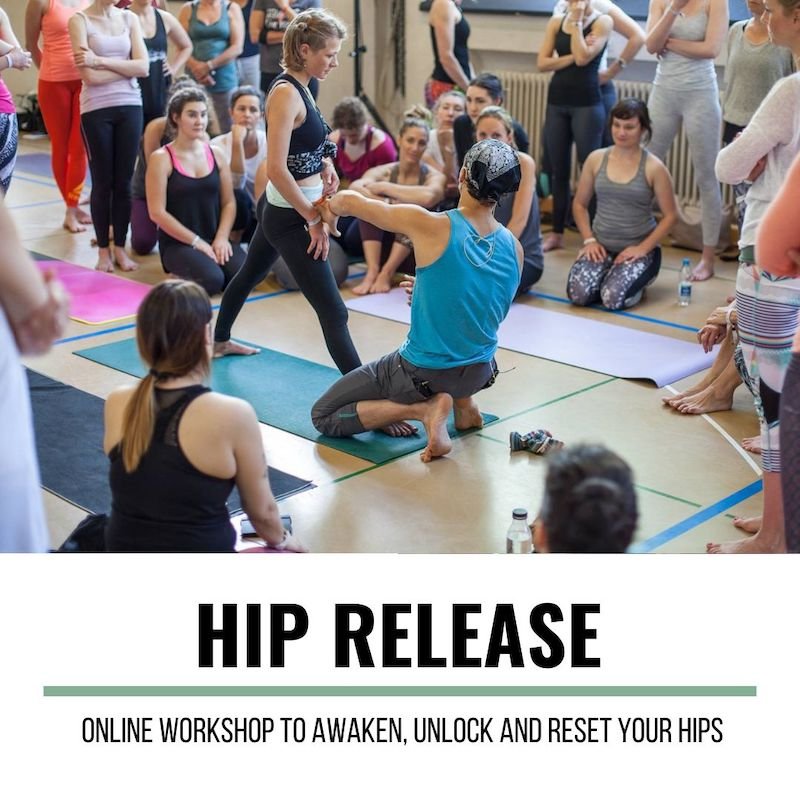
HIP RELEASE

2-HOUR LIVESTREAM WORKSHOP!

  • Technique-infused 2-hour workshop
  • Nondogmatic alignment awareness
  • Inner thigh & outer hip flexibility
  • Increase active range of motion of the hips and pelvic movements
  • Learn anatomy of the hips as you practice
  • Strengthen the muscles for optimal balance
  • Postural focus: Flying Pigeon and Lotus Pose
  • Injury awareness: Avoiding knee & low-back strain/pain/compression
  • Use anatomy knowledge to debunk popular alignment
  • Skillfully guided sequence by the founder of Chromatic Yoga, Matt Giordano
  • LIVESTREAM DATE: March 30th at 10am Eastern Time (NYC Timezone)
  • REPLAY: Available immediately, lifetime access

STRENGTHEN THE EXTERNAL ROTATORS

Homing in on the foundations is the “step back”; it’s like pulling an elastic band as far back as we can before we let it go. The farther back we pull, the further forward it will fly.

In the video, Matt demonstrates two variations of Baddha Konasana to get us started.  

Variation I

This will activate the external rotators of the hip. Getting into the posture requires widening the knees and bringing the soles of the feet together. Pressing the feet down while lifting the hips initiates the engagement of the external rotators so that we can access maximum external rotation of the hips.

Variation II

This time, we internally rotate the legs and take the feet wider than the knees to do the lift. These actions will support the engagement of the tensor fasciae latae (TFL, an internal rotator) but will also continue to activate the external rotators.

WATCH THE VIDEO

LOTUS FOUNDATIONS: HOW TO MAXIMIZE HIP FLEXIBILITY

TARGET THE HIP FLEXORS

Targeting the muscles of the full circumference of the hips is essential when preparing for Lotus. Matt demonstrates 2 effective drills/postures to target the hip flexors.

Scissor Legs

Scissoring the legs will help us connect with the sensation of activating the hip flexors, but it’s the pulsing of the legs that builds more heat and stimulation of the muscles.

Happy Baby Pose Without Hands

Once again, we are in deep hip flexion, but it’s about more than just drawing the legs in close. Being intentional about actively pulling the feet in, as if we were holding them with our hands, while pushing the knees out is what produces the activation of the adductor muscles.

200 Hour Online Teacher Training Certification

200 HOUR ONLINE TEACHER TRAINING

GET CERTIFIED & DEEPEN YOUR YOGA PRACTICE

  • Deepen your yoga practice
  • Build confidence speaking in front of groups in person and online
  • Learn foundational class structures and templates
  • Learn techniques for a wide range of yoga postures
  • Get certified and highly qualified to teach yoga
  • Yoga Alliance Globally Recognized Certification Program

ISOMETRIC ENGAGEMENTS

One notable benefit of isometric exercises is that they help to recruit many muscle fibers at once.  “Most muscle strengthening exercises involve moving the joints, using the muscles to push or pull against resistance. However, isometric exercises involve holding static positions for long periods of time.”

Kandola, Aaron. 5 Isometric Exercises For People To Try. Medical News Today, June 26, 2023

This form of muscle contraction is commonplace in Matt’s classes.  In the video, he teaches us how to effectively use this type of engagement in the following postures when preparing for Lotus:

Crescent Pose Preparation

The action of drawing both feet towards one another and pressing down through the front heel will assist in activating the glutes and hamstrings of the front leg, while activating the hip flexors of the back leg.

Humble Warrior 

Pressing the sole of the back foot down and dragging it forward while pressing down through the heel of the front foot will assist in activating the back adductors and gluteus muscles.

Pigeon Pose

Pulling the two knees towards one another isometrically in the stretched position will help to activate the glute and hamstring muscles of the front leg and hip flexors and adductors of the back leg.

300 hour teacher training online

300 HOUR ONLINE TEACHER TRAINING

GET 500 HOUR CERTIFIED AS A MASTER TEACHER

Master your skill set as a teacher through refined techniques, anatomy, biomechanics, sequencing, philosophy, meditation techniques, theming, yoga business, and much more!

  • Get 500 hour certified
  • Learn anatomy, biomechanics, asana techniques
  • Expand your teaching skills
  • Masterful sequencing and verbal delivery
  • Learn meditation and breathwork techniques
  • Transformative tools: theming, dharma talks, satsang

AWAKEN THE OUTER HIP MUSCLES

Finally, we look at the outer hip muscles.  In a Forward Fold position, we push the back of the legs outwards.  This will ignite the gluteus medius and minimus.  We can layer on TFL activation by lifting each leg and pulling it forward to tap the back of each respective wrist.

Today’s postures may be part of a typical physical practice, but when we “dial back” and implement the actions that will strengthen and arouse the activation of the hip muscles, we can be more confident in moving towards greater flexibility and mobility to safely experiment with Lotus pose.

Matt’s upcoming workshop Hip Release will guide you towards a better understanding of how to maximize flexibility, strength, and mobility of the hips.

Register here to optimize your potential.

See you on the mat!

The 200 Hr. Teacher Training: Click Here to See the Next Start Date

The 300 Hr. Advanced Teacher Training: Click Here to See the Next Start Date

Article by Trish Curling

Videos Extracted From: Lotus Immersion

lotus pose online yoga classes

ONLINE ANATOMY COURSE

  • Accessible, exciting, and easy to learn
  • Anatomy and biomechanics for yoga
  • Appropriate for both teachers and students
  • Learn joint alignment vs pose alignment
  • Demystify yoga poses and transitions
  • Release aches and pains
  • Learn how to avoid common injuries
  • Caters to all levels with modifications and props
  • 20 hours Continued Education Credits with Yoga Alliance
  • 20 hours toward Chromatic Yoga Certification and 300 Hour
  • Lifetime access

Continue Learning

Opening The Heart Chakra

Opening The Heart Chakra

Opening The Heart ChakrabackbendOPENING THE HEART CHAKRA Opening the heart chakra is not simply about reaching deeper into a backbend. Matt reminds us that this space is rooted in love, balance, and connection, both with ourselves and with others. It reflects how we...

read more
5 Visual Demonstration Techniques for Yoga Teachers

5 Visual Demonstration Techniques for Yoga Teachers

5 Visual Demonstration Techniques for Yoga TeachersYoga TeachersVisual Demonstration This is often confused with “teaching from the mat.” Teaching at the front of the room can be useful at the right time and place, but that is not what we are referring to here. In...

read more
Awakening Solar Plexus Strength

Awakening Solar Plexus Strength

Awakening Solar Plexus Strengththird chakraAWAKENING SOLAR PLEXUS STRENGTH Awakening solar plexus strength invites us into the centre of transformation. Matt reminds us that this third chakra, Manipura, is our fire, our willpower, and our ability to take action. It...

read more
Hip Flexor Stretch Mechanics

Hip Flexor Stretch Mechanics

Hip Flexor Stretch MechanicsALIGNMENTHIP FLEXOR STRETCH MECHANICS Hip flexor stretch mechanics begins with understanding that stability and length often come from opposing actions. In the first demonstration, Matt cues the back inner thigh to lift upward, which tips...

read more
A Yoga Treatment For The Shoulders

A Yoga Treatment For The Shoulders

A Yoga Treatment For The ShouldersSTABILITYA YOGA TREATMENT FOR THE SHOULDERS Shoulders tend to speak up when stability is missing. Matt reminds us that building strength isn’t about aesthetics, it’s about support, resilience, and keeping the body working as one...

read more
Reverse Tabletop Strength

Reverse Tabletop Strength

Reverse Tabletop StrengthMECHANICSREVERSE TABLETOP STRENGTH “Solid” implies strength,  yet in yoga, we can easily lose sight of how intentionally building the back body supports everything we do. Reverse Tabletop may look simple, but it asks a lot from the posterior...

read more

THE FREE TECHNIQUE PACK

When You Subscribe, You Will Get Instant Access to

  • the Technique Pack: 15 yoga pose breakdowns
  • exclusive online course discounts
  • exclusive blogs and videos
  • This field is for validation purposes and should be left unchanged.

Hips and Eka Pada Galavasana

Hips and Eka Pada Galavasana

flying pigeon

HIPS AND EKA PADA GALAVASANA

Depending on where we are in our asana practice journey, arm balances may feel a little overwhelming. It can be difficult to know where to start. Instead of thinking about the final destination, we can benefit from implementing techniques and drills that will support actual transformation and the development of strength, flexibility, and mobility. When it comes to a posture like Eka Pada Galavasana (Flying Pigeon), the spotlight is on our hips. Safely executing the posture requires deep hip opening, which itself requires great care and preparation. Incorporating the techniques Matt teaches in today’s video is the perfect start. However, beyond incorporating the techniques, it’s about HOW we implement them.

chromatic yoga 15 hour immersion

HIP RELEASE

2-HOUR LIVESTREAM WORKSHOP!

  • Technique-infused 2-hour workshop
  • Nondogmatic alignment awareness
  • Inner thigh & outer hip flexibility
  • Increase active range of motion of the hips and pelvic movements
  • Learn anatomy of the hips as you practice
  • Strengthen the muscles for optimal balance
  • Postural focus: Flying Pigeon and Lotus Pose
  • Injury awareness: Avoiding knee & low-back strain/pain/compression
  • Use anatomy knowledge to debunk popular alignment
  • Skillfully guided sequence by the founder of Chromatic Yoga, Matt Giordano
  • LIVESTREAM DATE: March 30th at 10am Eastern Time (NYC Timezone)
  • REPLAY: Available immediately, lifetime access

“PUSH AND SUSTAIN”

One of the most impactful statements Matt makes in the full class is “Push and sustain, don’t push and forget.” When he says this, he’s actually referring to a glute activation technique, but his words can be applied generally to how we approach the techniques from today’s video.  

Sometimes we receive cues in a given posture or drill, but we then so easily revert back to what our bodies are used to, something that feels less “strange” or challenging in our bodies.

Eka Pada Galavasana requires hip strength to lock in the open position of the hip in the front leg and the lift from the glutes in the extended back leg. In the breakdown of each posture and technique, we’ll see the importance of finding and sustaining specific activations to increase strength.

WATCH THE VIDEO

HIPS AND GALAVASANA: TECHNIQUES TO UNLOCK THIS ARM BALANCE

GETTING THE HIP FLEXORS ACTIVE

The Lizard Pose variation and techniques Matt offers today are a great way to start the process of activating the muscles of the hips (more specifically, the hip flexors). This is particularly important in the first variation of Eka Pada Galavasana, where Matt demonstrates the “hugging in” of the back leg. We also learn how to “push and sustain” here. The technique that promotes both strength and flexibility is a facilitated stretch, that is, the activation of the muscles we are stretching. In the first variation of Lizard Pose, we use a facilitated stretch to activate the hip flexors by pressing the back knee down and forward. Sustaining the pull forward is the key to the effectiveness of this technique. When this happens, the muscle will release its tension and feel safe to lengthen while simultaneously strengthening. This will help with the hip flexion of the back leg. If we want to extend the back leg in Eka Pada Galavasana, lifting the back leg in Lizard while pulling the ball of the foot forward will also ignite our quadricep muscles. Activating the quadriceps will support the strength of extending the back leg. 

200 Hour Online Teacher Training Certification

200 HOUR ONLINE TEACHER TRAINING

GET CERTIFIED & DEEPEN YOUR YOGA PRACTICE

  • Deepen your yoga practice
  • Build confidence speaking in front of groups in person and online
  • Learn foundational class structures and templates
  • Learn techniques for a wide range of yoga postures
  • Get certified and highly qualified to teach yoga
  • Yoga Alliance Globally Recognized Certification Program

PRACTICE THE HOOK

Opening our hips is paramount to practicing another important piece of the puzzle: hooking the front foot as high as possible above the triceps on the arm.

With the help of blocks, Matt sets up a Pigeon Pose variation. The blocks are stacked, creating enough height so that we can mimic the “hook” required to keep the foot in place. What actions are needed for this hook? In the ankle, we must dorsiflex and then layer on eversion of the ankle. The height of the block also supports the positioning (flexion) required in the hips.

While all this is happening, we are still encouraging the facilitated stretch of the hip flexors in the back leg.  

300 hour teacher training online

300 HOUR ONLINE TEACHER TRAINING

GET 500 HOUR CERTIFIED AS A MASTER TEACHER

Master your skill set as a teacher through refined techniques, anatomy, biomechanics, sequencing, philosophy, meditation techniques, theming, yoga business, and much more!

  • Get 500 hour certified
  • Learn anatomy, biomechanics, asana techniques
  • Expand your teaching skills
  • Masterful sequencing and verbal delivery
  • Learn meditation and breathwork techniques
  • Transformative tools: theming, dharma talks, satsang

EKA PADA GALAVASANA VARIATIONS

The final preparations for the hips take place while we are practicing the Eka Pada Galavasana variations Matt teaches in the clip. Importance is still placed on activating the front hip while it is in deep external rotation. When setting up for the arm balance, we do this by pressing the shin down into our arms and pulling the back leg forward (facilitated stretch). As we set up the pelvic tilts and the placement of the front leg on the arms, we move towards one of the other extremely important pieces of an arm balance: leaning our body weight forward. Without getting the leg or shin in the right spot, however, we won’t be able to lean forward enough to find our balance.

In his upcoming workshop, Hip Release, Matt shares more insights into creating the required integrity in the hips for other arm balances. 

Register to learn more techniques and tips for your toolkit!

The 200 Hr. Teacher Training: Click Here to See the Next Start Date

The 300 Hr. Advanced Teacher Training: Click Here to See the Next Start Date

Article by Trish Curling

Videos Extracted From: Blissful Hips Immersion

lotus pose online yoga classes

ONLINE ANATOMY COURSE

  • Accessible, exciting, and easy to learn
  • Anatomy and biomechanics for yoga
  • Appropriate for both teachers and students
  • Learn joint alignment vs pose alignment
  • Demystify yoga poses and transitions
  • Release aches and pains
  • Learn how to avoid common injuries
  • Caters to all levels with modifications and props
  • 20 hours Continued Education Credits with Yoga Alliance
  • 20 hours toward Chromatic Yoga Certification and 300 Hour
  • Lifetime access

Continue Learning

Opening The Heart Chakra

Opening The Heart Chakra

Opening The Heart ChakrabackbendOPENING THE HEART CHAKRA Opening the heart chakra is not simply about reaching deeper into a backbend. Matt reminds us that this space is rooted in love, balance, and connection, both with ourselves and with others. It reflects how we...

read more
5 Visual Demonstration Techniques for Yoga Teachers

5 Visual Demonstration Techniques for Yoga Teachers

5 Visual Demonstration Techniques for Yoga TeachersYoga TeachersVisual Demonstration This is often confused with “teaching from the mat.” Teaching at the front of the room can be useful at the right time and place, but that is not what we are referring to here. In...

read more
Awakening Solar Plexus Strength

Awakening Solar Plexus Strength

Awakening Solar Plexus Strengththird chakraAWAKENING SOLAR PLEXUS STRENGTH Awakening solar plexus strength invites us into the centre of transformation. Matt reminds us that this third chakra, Manipura, is our fire, our willpower, and our ability to take action. It...

read more
Hip Flexor Stretch Mechanics

Hip Flexor Stretch Mechanics

Hip Flexor Stretch MechanicsALIGNMENTHIP FLEXOR STRETCH MECHANICS Hip flexor stretch mechanics begins with understanding that stability and length often come from opposing actions. In the first demonstration, Matt cues the back inner thigh to lift upward, which tips...

read more
A Yoga Treatment For The Shoulders

A Yoga Treatment For The Shoulders

A Yoga Treatment For The ShouldersSTABILITYA YOGA TREATMENT FOR THE SHOULDERS Shoulders tend to speak up when stability is missing. Matt reminds us that building strength isn’t about aesthetics, it’s about support, resilience, and keeping the body working as one...

read more
Reverse Tabletop Strength

Reverse Tabletop Strength

Reverse Tabletop StrengthMECHANICSREVERSE TABLETOP STRENGTH “Solid” implies strength,  yet in yoga, we can easily lose sight of how intentionally building the back body supports everything we do. Reverse Tabletop may look simple, but it asks a lot from the posterior...

read more

THE FREE TECHNIQUE PACK

When You Subscribe, You Will Get Instant Access to

  • the Technique Pack: 15 yoga pose breakdowns
  • exclusive online course discounts
  • exclusive blogs and videos
  • This field is for validation purposes and should be left unchanged.

Pin It on Pinterest